Guiyang 2026: Huangguoshu, Qingyan & Karst Guizhou on a 1–3 Day Plan
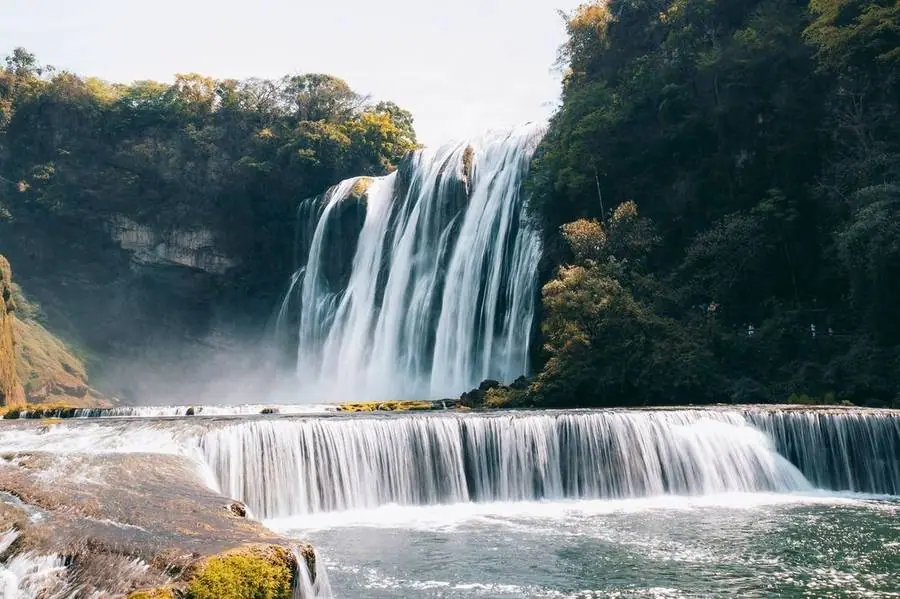
Guiyang is a cool, leafy capital at 1,100 m and the base for Guizhou’s karst wonders — Huangguoshu Waterfall, Zhijin Cave and the Miao villages. High-speed rail, a small metro and easy day trips make the waterfalls, the old town and the museums straightforward; plan the tickets and the distances and the rest is easy.
History & culture
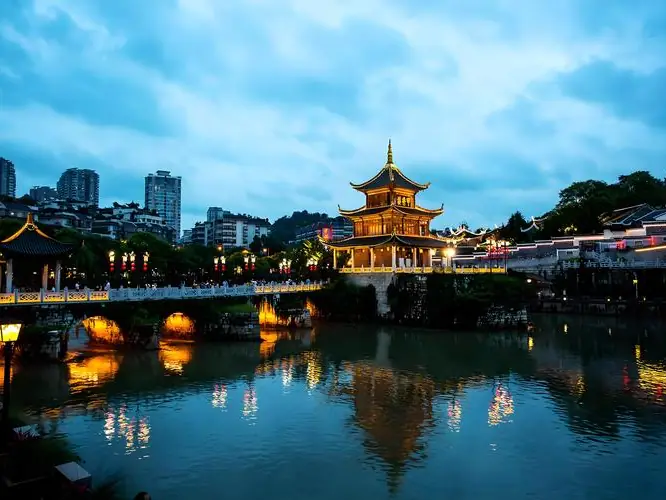
Guiyang grew as the administrative seat of Guizhou, a province the Ming dynasty carved out as it pushed control into the southwestern highlands. The city sat on the trade routes linking Sichuan, Yunnan and Guangxi, and its name — “south of the mountains” — marks its position in a bowl of hills.
For centuries Guizhou was a frontier of minority peoples — Miao, Dong, Buyei and others — and Guiyang was the Han-administered hub that governed them. Qing-era walls and bridges, including the Jiaxiu Tower first built in 1598, still anchor the old centre along the Nanming River.
In the 20th century Guiyang became a wartime refuge and later a provincial industrial city. Since the 2010s high-speed rail has turned it into the transport gateway to Guizhou’s karst wonders — Huangguoshu, the caves and the ethnic villages — making it the base most visitors now choose.
Best time to visit Guiyang
Guiyang sits at about 1,100 m, so it stays cool and mild — one of China’s great summer retreats, with the clearest, most comfortable weather from spring through autumn.
Budget for Guiyang: hotels from $12 a night, average ticket $$9.17 — see the full cost breakdown, or start from a ready-made route.
Cuisine of Guiyang
Signature dishes worth seeking out — prices are typical per-person or per-dish ranges, not fixed quotes.
-
Sour Fish Hotpot (Suantang Yu)
Guizhou’s signature sour tomato-fermented fish broth, simmered at the table with herbs — the dish the province is known for.
-
Siwawa
A DIY veg wrap: shredded cucumber, carrot and bean sprouts rolled in a thin crepe with a sour dip — a Guiyang street staple.
-
Huaxi Beef Rice Noodles (Huaxi Niurou Fen)
Beef brisket noodles from Huaxi district, aromatic and comforting — the everyday Guiyang breakfast.
-
Changwang Noodles (Changwang Mian)
Guiyang noodles with pork intestine and blood, fried and served in a spicy, numbing broth — an acquired local favourite.
-
Love Tofu (Lian’ai Doufu Guo)
Grilled fermented tofu stuffed with chili and herbs, sold from street stalls — a salty, smoky Guiyang snack.
-
Guizhou Spicy Chicken (Laziji)
Chicken dry-fried with green chili, ginger and garlic — Guizhou’s answer to Sichuan’s famous dry chili chicken.
Every major sight — with its own guide
Right after the food above, here are the sights — each one links to its own full guide (what to see, how to get there, facilities and the best season). Names follow each sight's official English signage.
Anshun (day trip)
Huaxi District
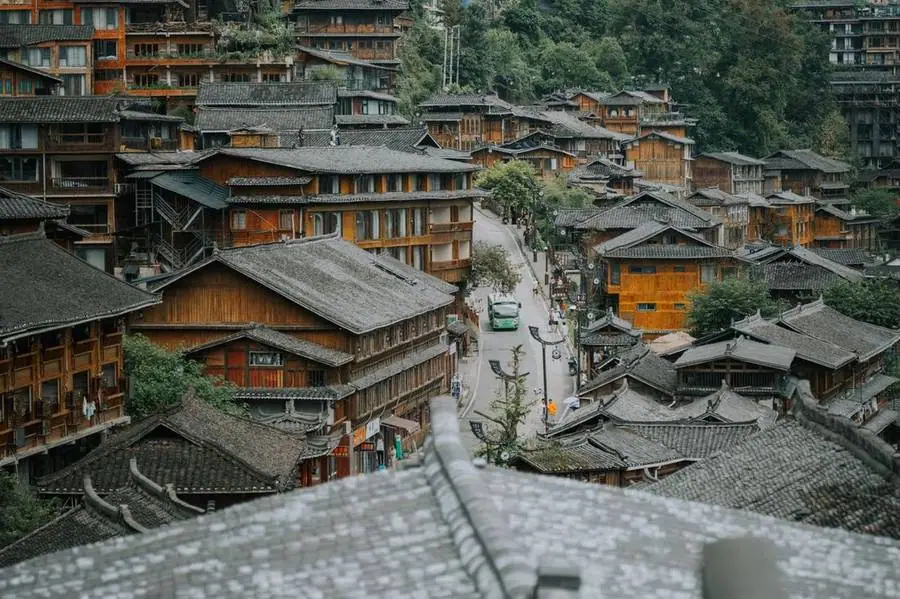
Qingyan Ancient Town 青岩古镇
A walled Ming-era stone town of lanes, temples and snack stalls 30 km south — Guiyang’s most complete old town.
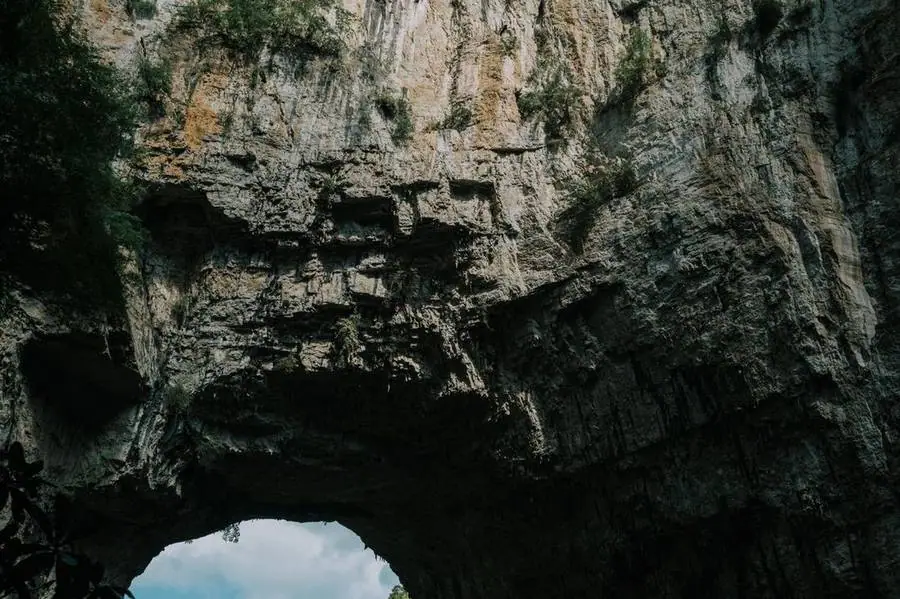
Tianhe Pool 天河潭
Karst caves, a clear river and a waterfall in one ticket 20 km out — a compact Huangguoshu alternative.
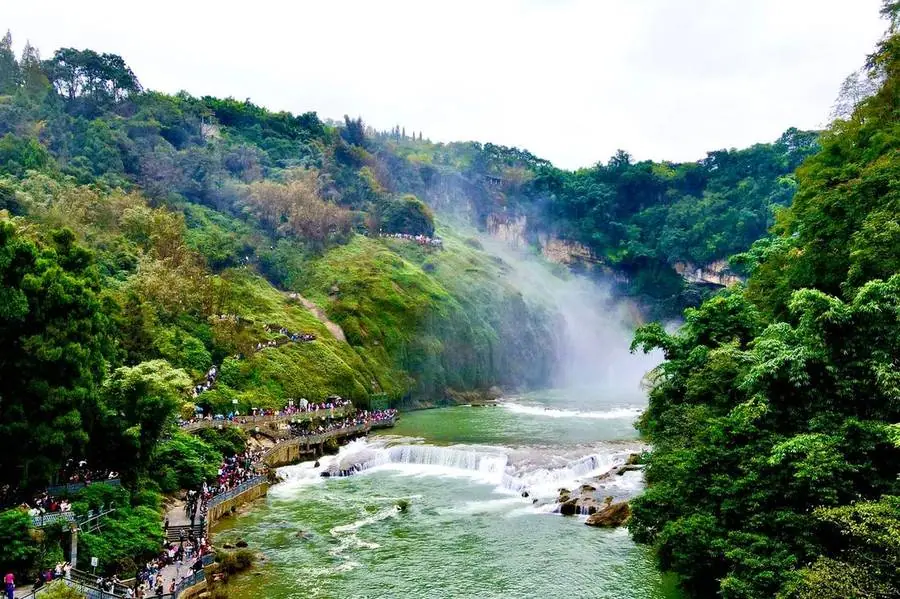
Huaxi Wetland Park 花溪湿地公园
A free riverside wetland south of town for flat walks, biking and lotus in summer — an easy half day.
Nanming District (city centre)
Yunyan District
Guanshanhu District
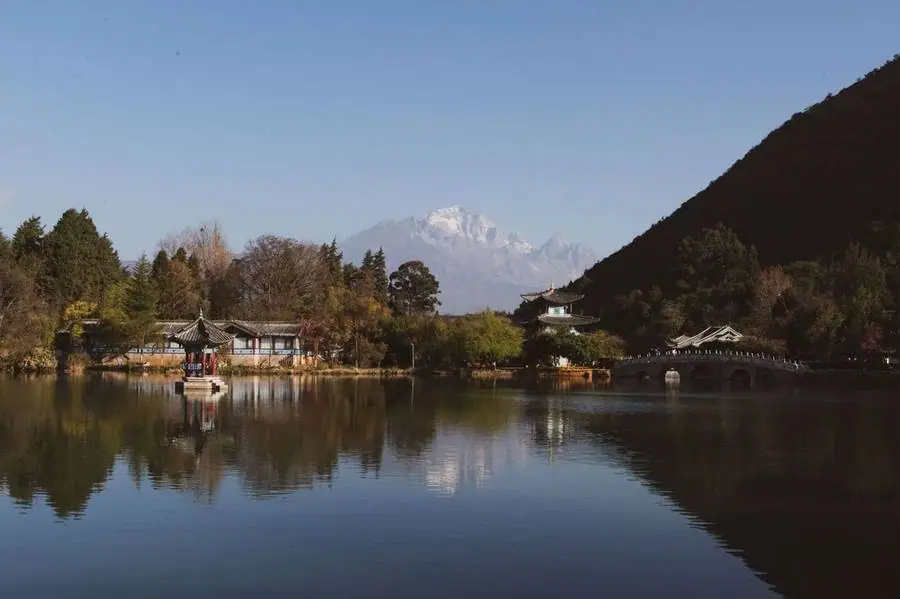
Bijie / Zhijin (day trip)
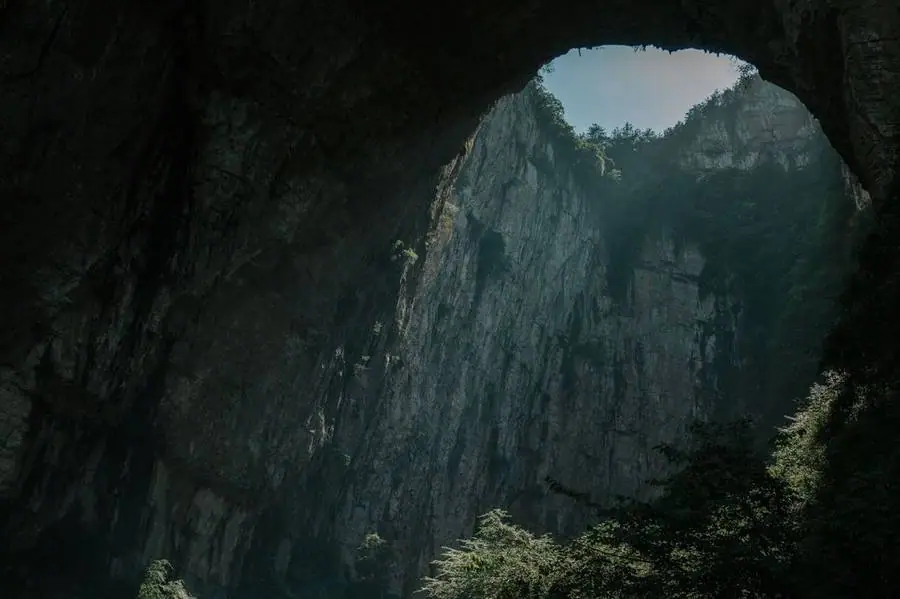
Nanming District
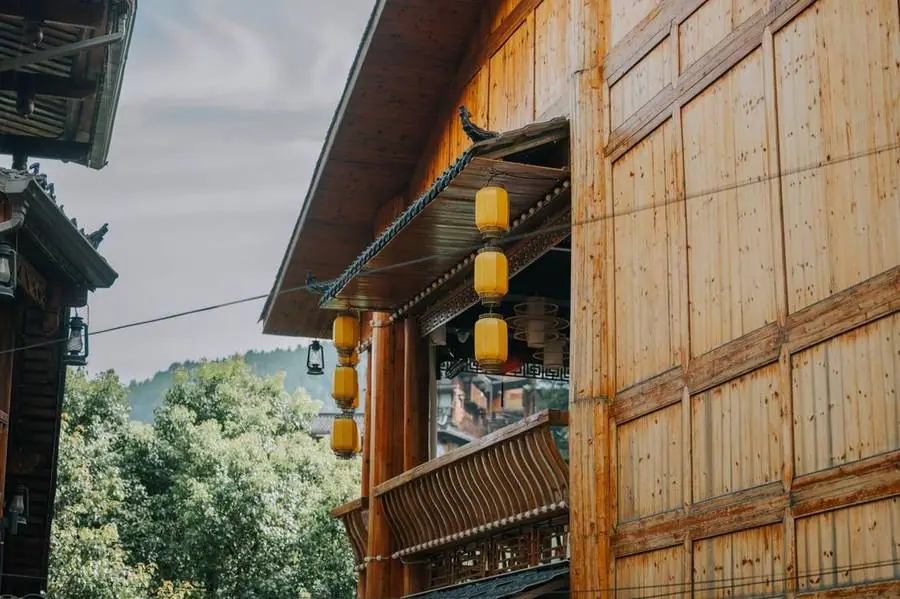
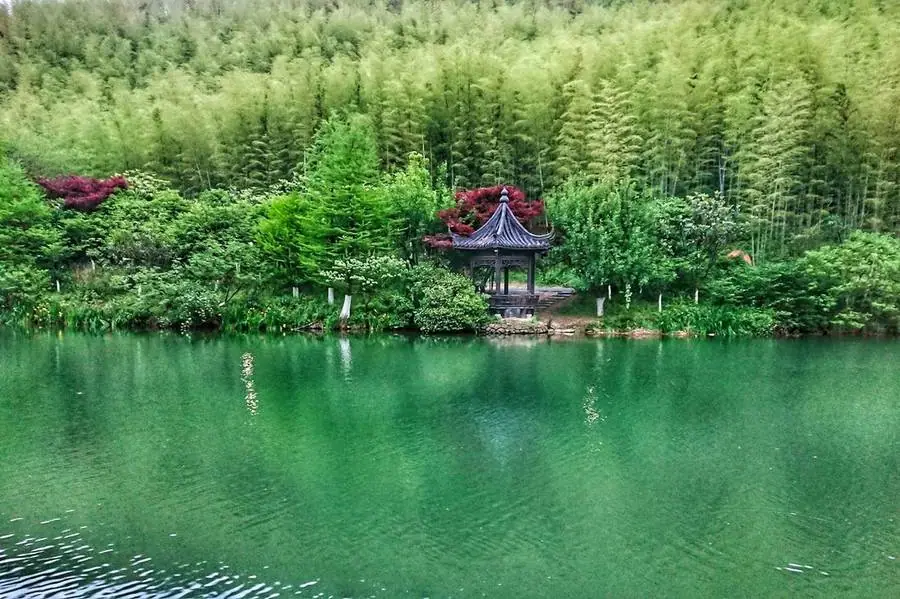
Nanming / Guanshanhu
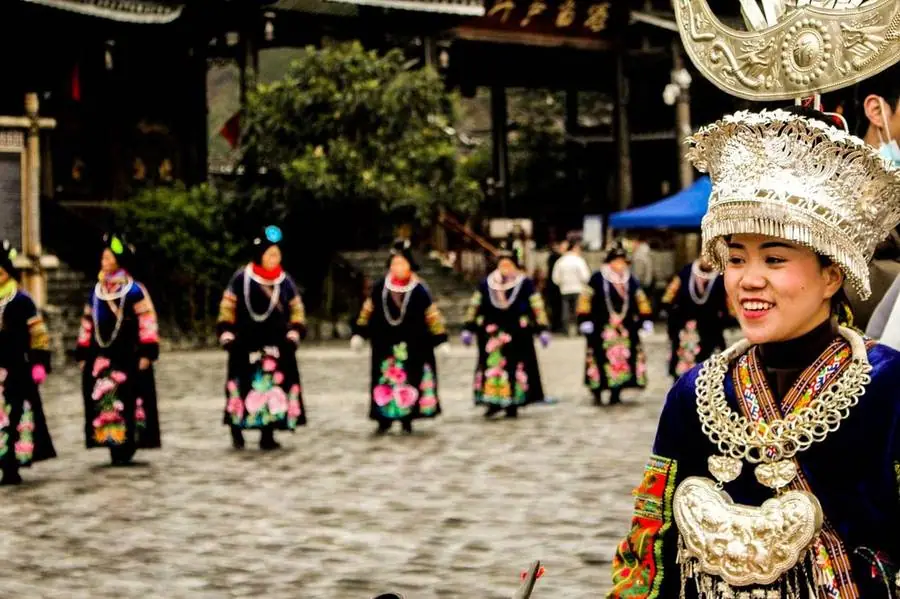
Kaiyang County
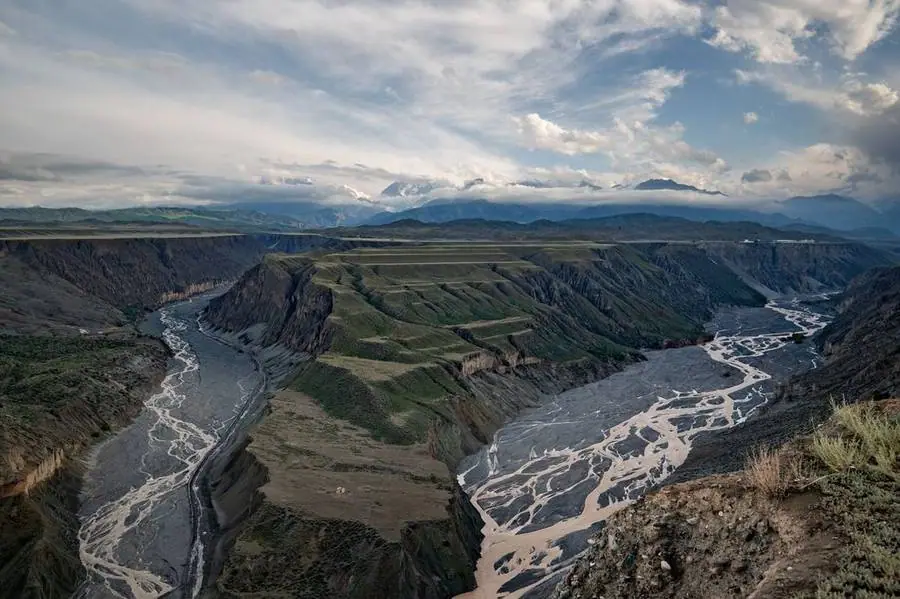
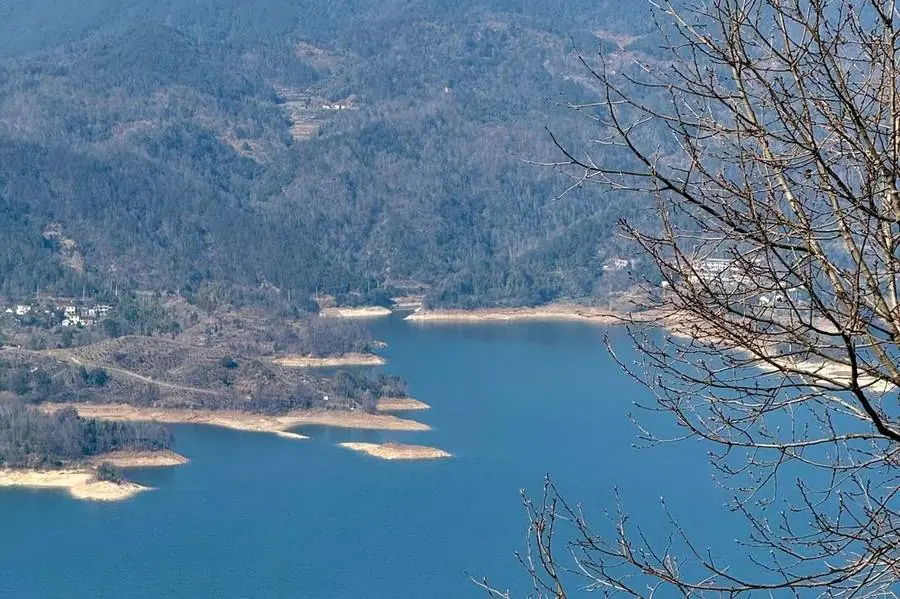
Xifeng County
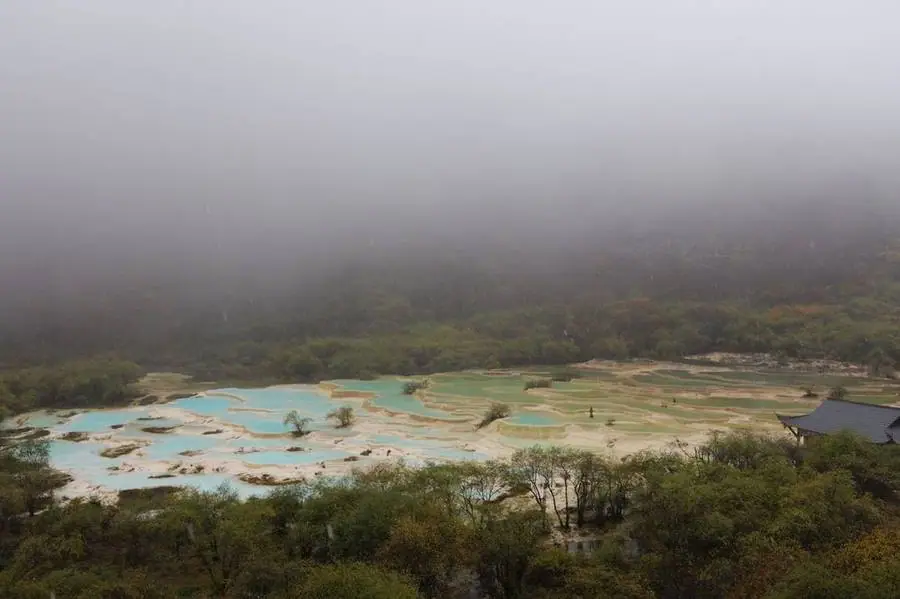
Where to stay in Guiyang
Rates are for a standard double room in 2026. Guiyang’s centre is compact and the metro covers it; rooms with a hill or river view cost more. Confirm the USD price at booking.
Luxury
$90–250 / nightFive-star towers near the city centre and the convention district, with pools and mountain views.
Upper mid-range
$50–90 / nightComfortable business hotels by the metro and the train station; $50–90 / night.
Mid-range
$30–50 / nightClean Chinese hotels near Jiaxiu Tower and the museums; $30–50 / night.
Budget
$18–30 / nightGuesthouses and value hotels around the old centre and the universities; $18–30 / night.
Hostels
$12–18 / nightSocial backpacker hostels near the river and the train station, dorms and privates; $12–18 / night.
Souvenirs & local crafts
Easy to pack, easy to explain at customs — and far cheaper at a supermarket than at a scenic stall.
-
Miao Silver Jewelry
Hand-hammered silver from Guizhou’s Miao artisans — bracelets, earrings and headdresses, sold with purity marks.
-
Guizhou Batik (Laran)
Traditional wax-resist indigo dye cloth with folk patterns — a light, packable textile from the highlands.
-
Miao Embroidery
Brightly embroidered panels and pouches with flower-and-bird motifs, made by village women across Guizhou.
-
Guizhou Highland Tea
Green teas such as Dujun Maojian from the cool uplands — buy loose or pressed, easy to ship home.
-
Guizhou Chili Paste (Zao Lajiao)
Bottled fermented chili used in nearly every local dish — a small, pungent taste of Guizhou to take home.
Getting around Guiyang
Guiyang is compact and hilly; the metro now covers the centre, buses and DiDi fill the gaps, and high-speed rail links it to Kunming, Chongqing, Chengdu and Guangzhou.
- High-speed rail
- Guiyang North Railway Station (Guiyangbei) is the main high-speed hub, about 8 km north of the centre, on lines to Kunming, Chongqing, Chengdu, Guangzhou and Changsha.Trains use real-name booking with a passport; buy through 12306 or a travel app and bring the same passport to the gate.
- Long-distance bus
- Long-distance coaches run from the main bus stations to Huangguoshu (Anshun), Zhijin and other Guizhou towns; book at the station or via apps.
- Metro & bus
- Guiyang Metro lines 1, 2 and 3 cross the centre; it is the easiest way to reach the museums and the train station without traffic.
- Taxis
- Taxis start around $1.50 and are metered; useful for short hops the metro does not reach.
- Ride-hailing
- DiDi runs inside Alipay with an English map and card payment — the easiest way to hail a car without Chinese cash or a phone plan.
- Shared bikes
- Shared bikes (Alipay Haibike / Meituan) suit the flat riverside rides; the hilly old streets are best on foot.
- Intercity carpool
- Ride-pooling exists but is awkward for foreigners; for Huangguoshu, Zhijin Cave and the canyons, book a driver, shuttle or join a tour.
Plan your 1, 2 or 3 days in Guiyang
Pick the length of your stay. Each plan is its own page, anchored at the city centre and written from real traveller itineraries — including splits for sightseeing, shopping, landscape, families and older travellers.
Guiyang in 1 Day
The city emblem, a museum, a mountain park and a karst-pool or Huangguoshu route.
Read the plan → 2-dayGuiyang in 2 Days
Day one on the city sights, day two Huangguoshu Waterfall or Zhijin Cave.
Read the plan → 3-dayGuiyang in 3 Days
Add Qingyan, Tianhe Pool, the ethnic museum and a canyon or lake loop.
Read the plan →Frequently asked questions
- Do I need a visa for Guiyang?
- Guiyang’s airport is not a 144-hour transit port, so arrange a Chinese visa before you fly unless you already qualify for visa-free entry through a major gateway city. Check the current list with a consulate before booking.
- When is the best time to visit Guiyang?
- May–October brings warm, green, comfortable weather and the fullest Huangguoshu. Spring and autumn are mild and clear; winter is cool and damp. Avoid the May Day and National Day holidays if you dislike crowds.
- How do I get to Huangguoshu Waterfall?
- It is about 130 km southwest near Anshun. Take a high-speed train to Anshun then a shuttle, book a driver, or join a tour; the scenic shuttle and tram are separate from the entry ticket, so budget for both.
- Is Guiyang a good base for Guizhou?
- Yes — high-speed rail and a small metro make it the easiest hub for Huangguoshu, Zhijin Cave, Qingyan and the ethnic villages. Most visitors sleep in Guiyang and day-trip out.
- How many days do I need in Guiyang?
- Two full days cover the city sights and one headline day trip (Huangguoshu or Zhijin Cave) without rushing; add a third for Qingyan, Tianhe Pool and the museums. A single day is tight but possible.
- Are the museums in Guiyang free?
- The Provincial Museum and the Ethnic Culture Museum are free but require a timed online reservation with your passport. Bring the same passport to the gate for the real-name check.
- Will altitude or weather affect my visit?
- Guiyang sits near 1,100 m, so it stays cool and you rarely feel the altitude; the bigger factor is rain from June to August, which swells the waterfalls but can cloud the views.
Page last reviewed: 2026-11-02.