Garze 2026: Daocheng Yading, Seda & the Kham Plateau — a 1–3 Day Plan
Garze (Garzê) is the Tibetan Kham country of western Sichuan — Daocheng Yading's sacred snow peaks and alpine lakes, Seda's red monastery valley, Gongga's 7,556 m dome, the Hailuogou glacier and the golden-light towns of Xinduqiao and Tagong. No Tibet Travel Permit is required in Sichuan's Tibetan areas — a Chinese visa is enough. Below: the best time, the history, the food, where to stay, every major sight with its own guide, and 1/2/3-day plans.
History & culture
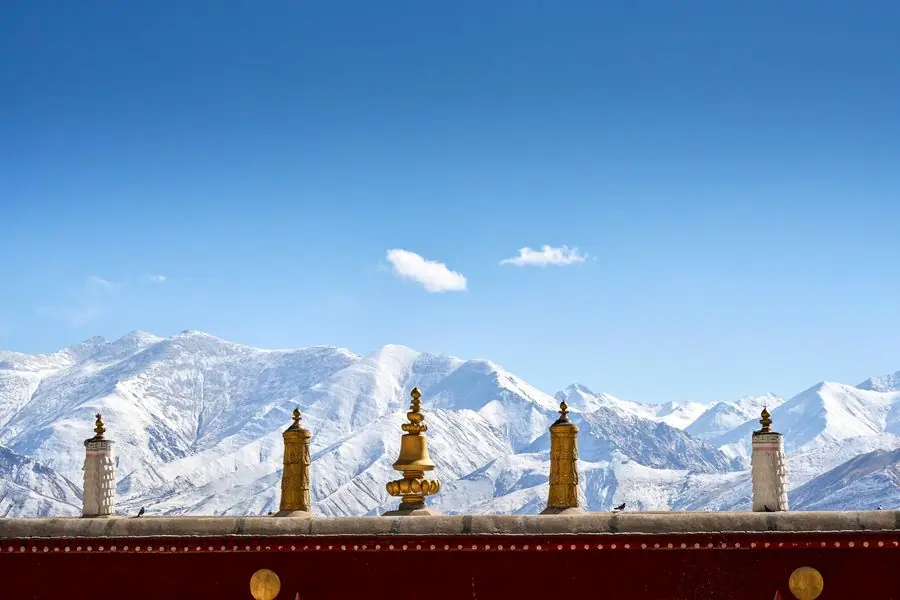
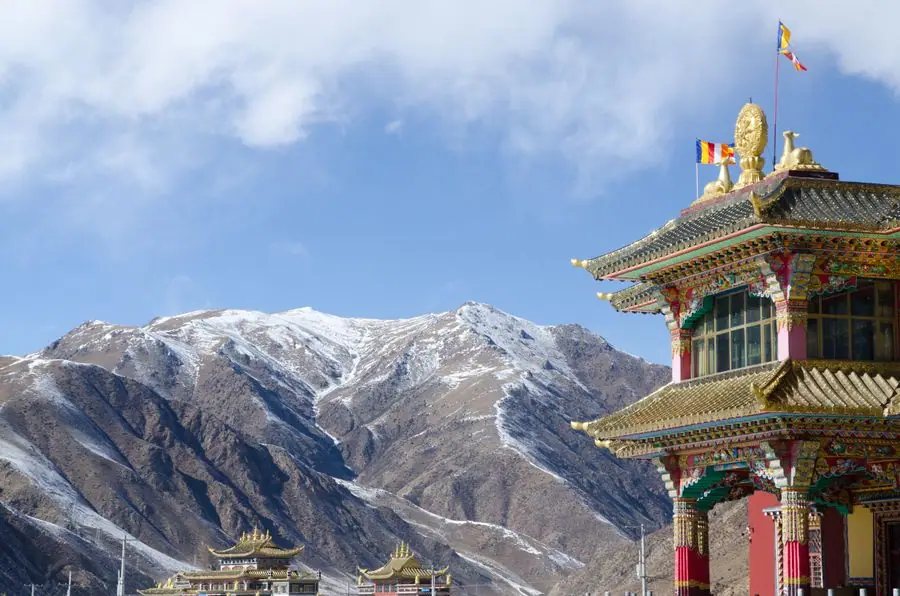
Garze is the heartland of Kham, the eastern province of Tibetan culture, on the high plateau where the Tibetan world meets the Sichuan basin. The historic tea-horse road ran through Kangding and Litang, and the region's great monasteries — Litang Chode, Dege Parkhang, Seda, Sakya-adjacent Gatu — made it one of the religious centres of the plateau.
The name Garze (Garzê) belongs to both the prefecture and its central county; the prefecture seat is Kangding, the mountain town at the foot of the Erlang Shan tunnel that has guarded the route from Chengdu for centuries. From Kangding the roads fan out across the plateau: west to Manigango and Dege on the G317, south-west to Litang, Yading and Batang on the G318.
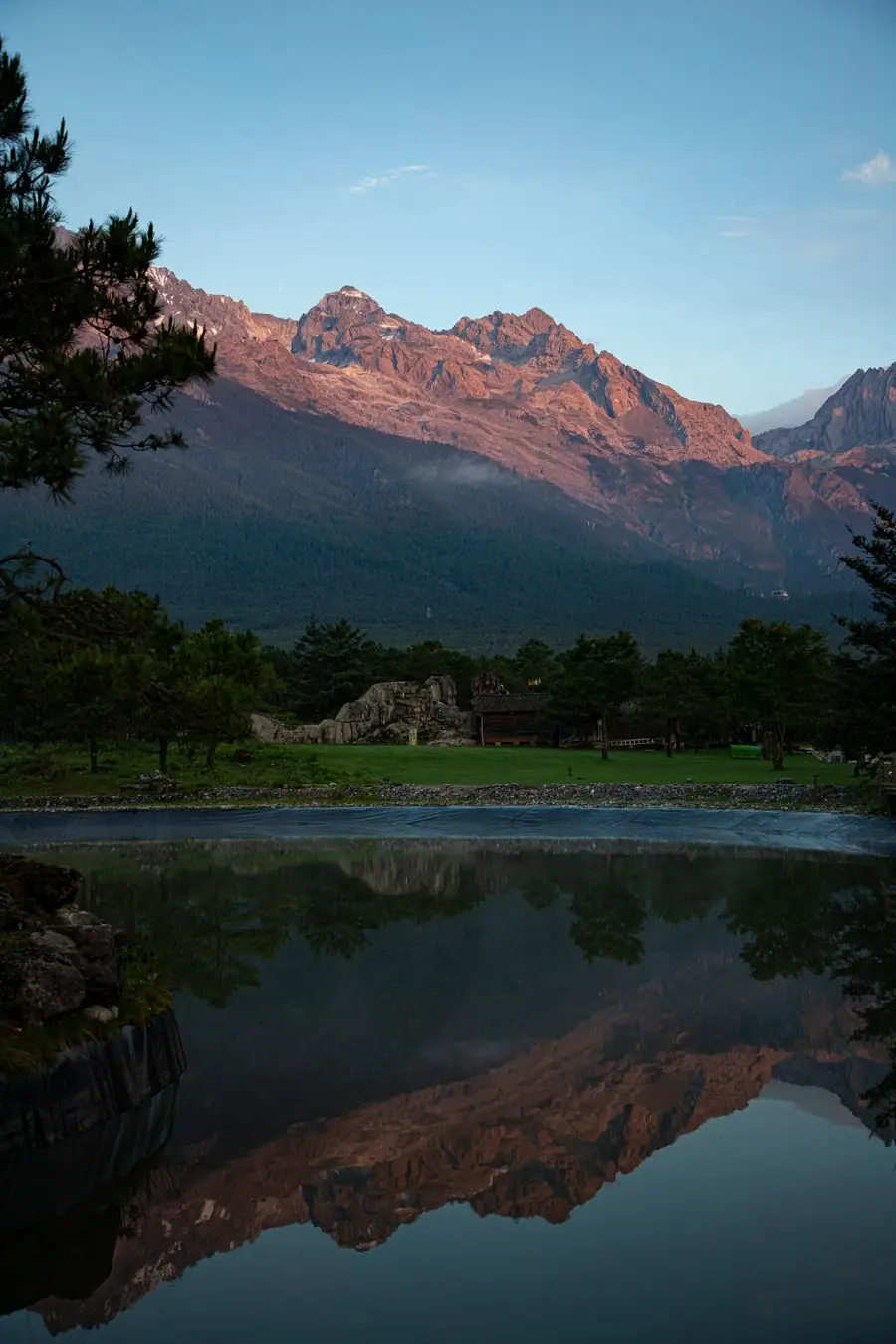
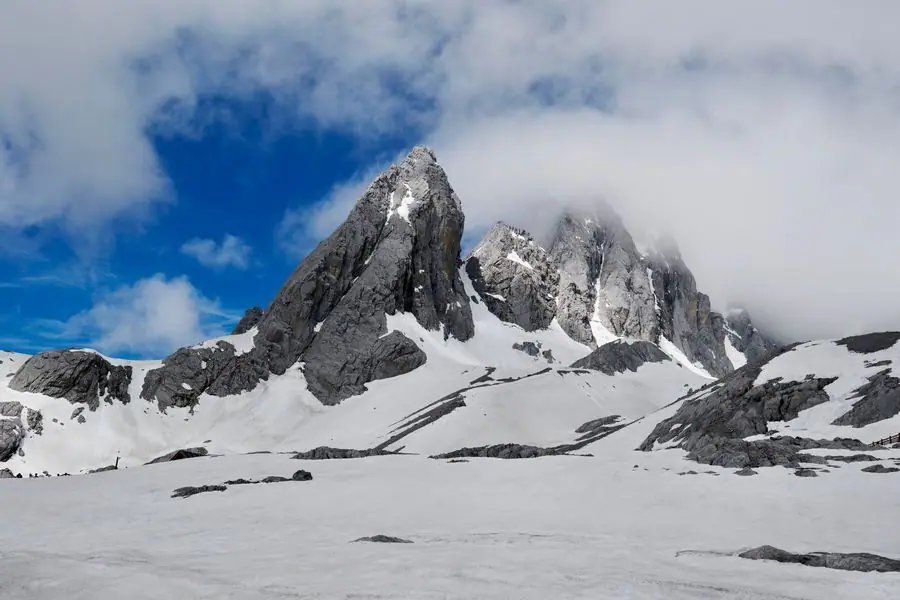
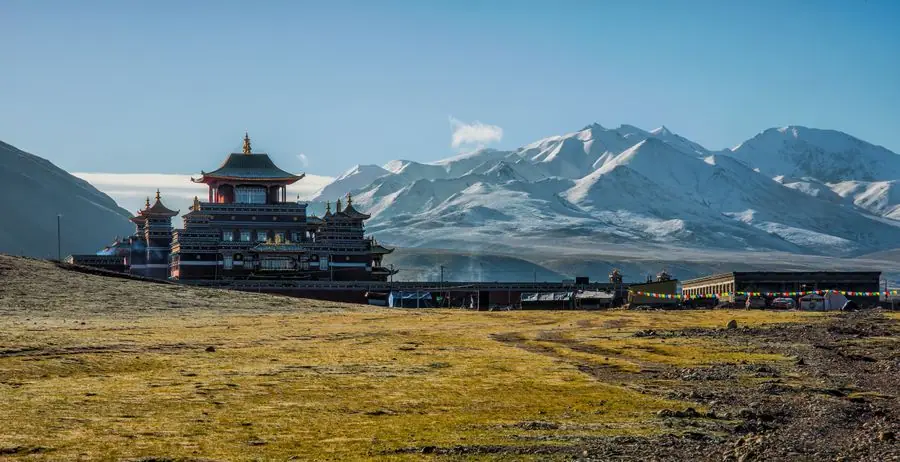
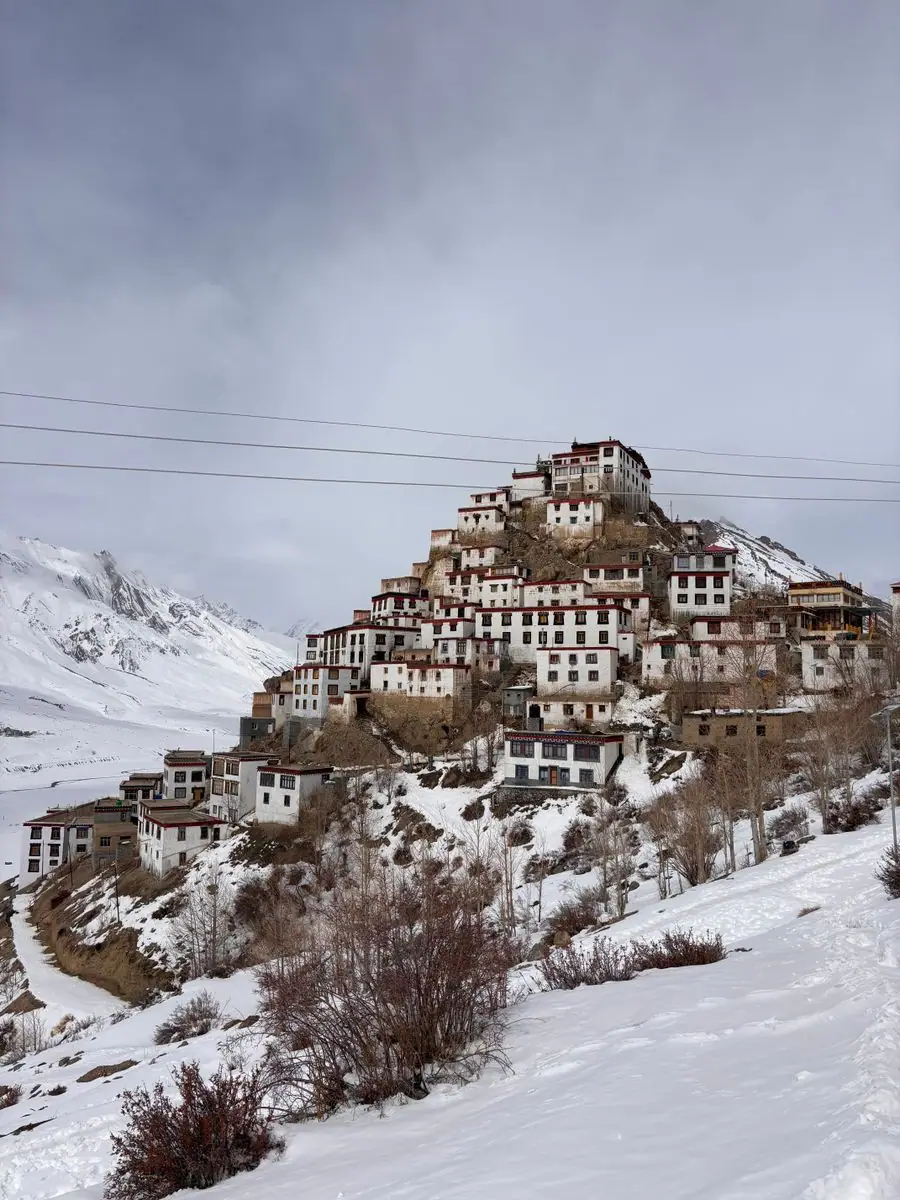
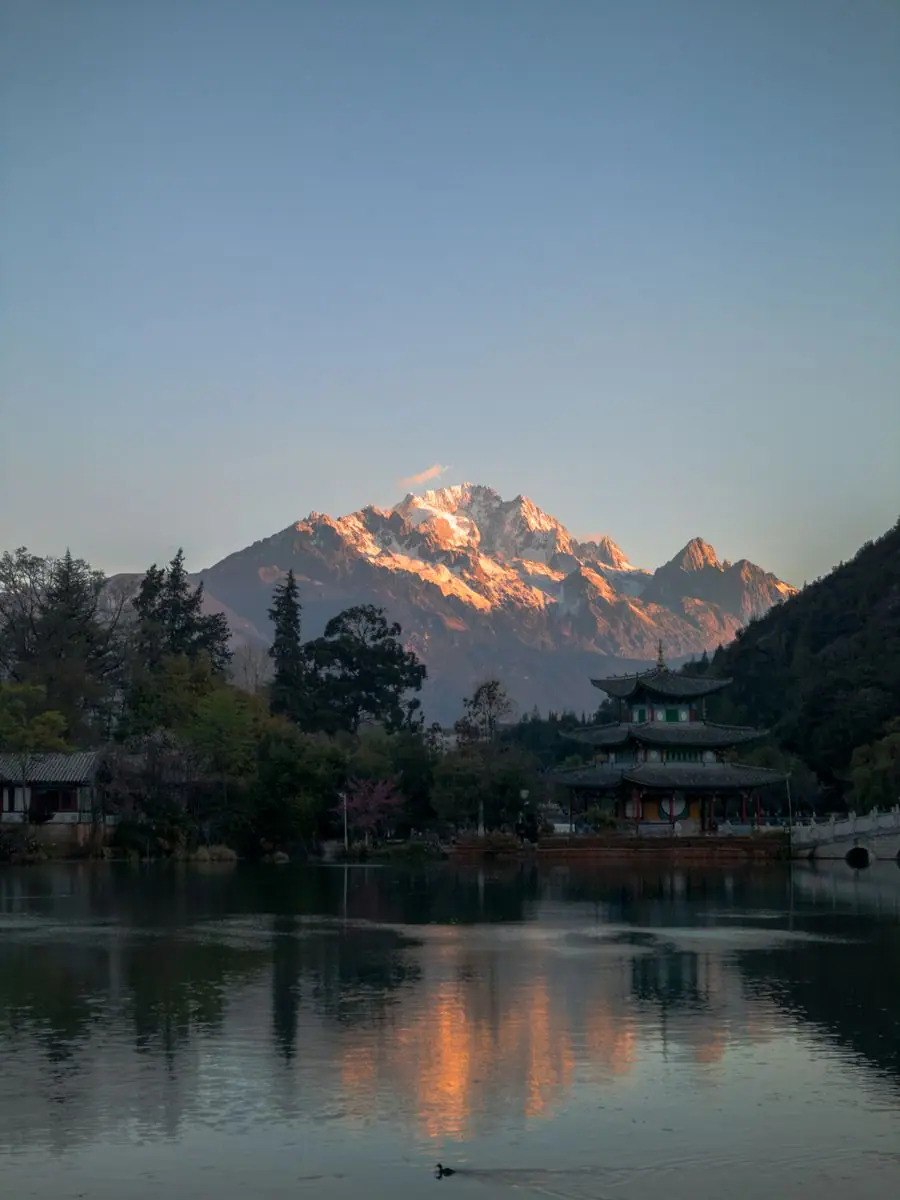
Garze's landscapes are extreme: Gongga (Minya Konka, 7,556 m), the easternmost 7,000 m peak on earth, guards the Hailuogou glacier; Daocheng Yading's three sacred peaks — Xiannairi, Yangmaiyong and Xianuoduoji — are the Buddhist Pure Land of the plateau; and Seda's red monk-quarters valley became the largest Tibetan Buddhist institute in the world.
Travel here is straightforward by Chinese standards — no Tibet Travel Permit is needed in Sichuan's Tibetan areas, foreign visitors come and go freely — but the altitude is the real gatekeeper: acclimatise gradually, drink water, and treat altitude sickness seriously.
Best time to visit Garze
Garze is high-altitude plateau country — most sights sit between 3,000 and 4,500 m, so the weather is mountain weather: intense sun, cold nights and rapid change. Summer is the green, rainy season; autumn is the clear, golden season.
Budget for Garze: hotels from $14 a night, average ticket $$13.25 — see the full cost breakdown, or start from a ready-made route.
Cuisine of Garze
Signature dishes worth seeking out — prices are typical per-person or per-dish ranges, not fixed quotes.
-
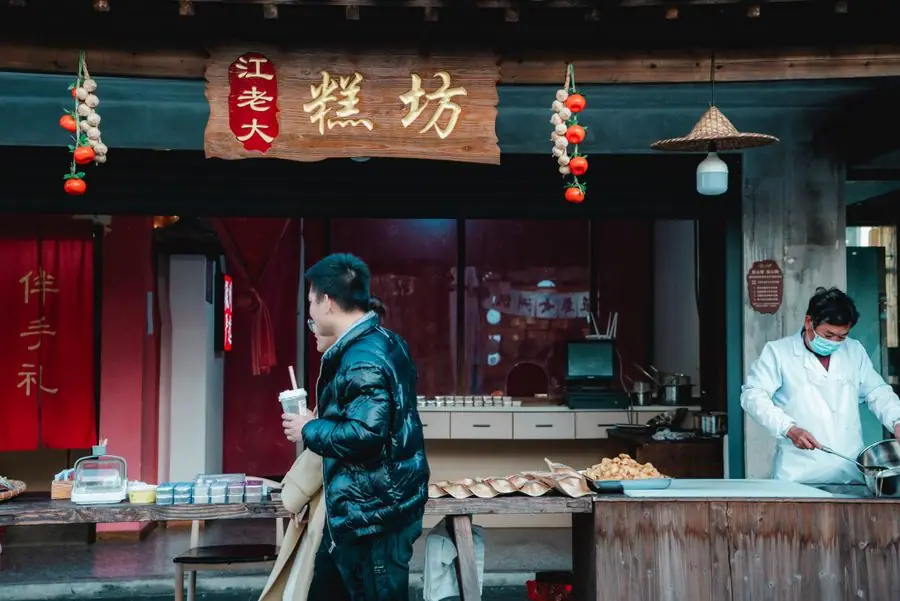
Yak butter tea (Suyou cha)
The plateau staple — strong brick tea churned with yak butter and salt, the calories and warmth that make 4,000 m livable; an acquired taste, drunk all day at every table.
-
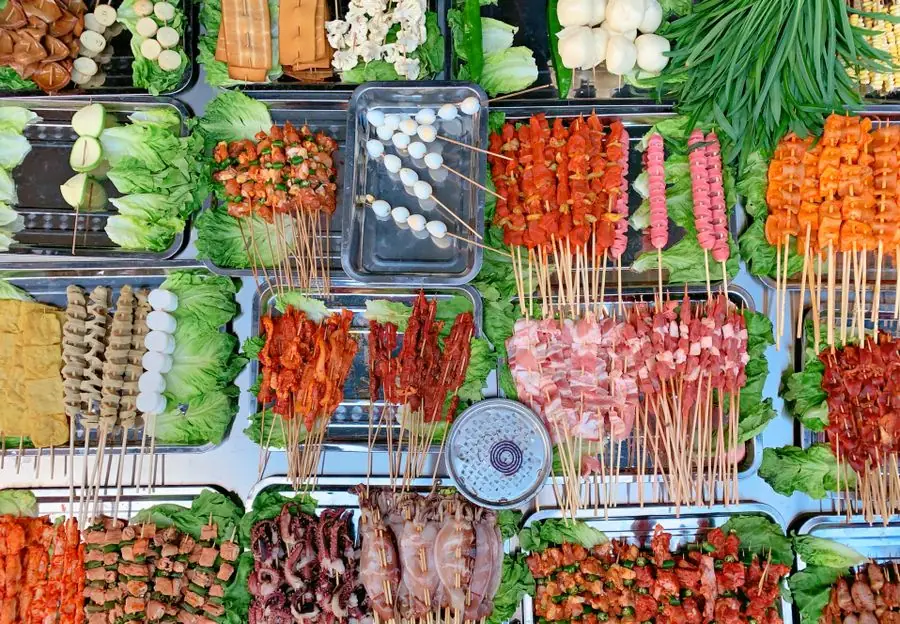
Tsampa (Zanba)
Roasted barley flour mixed with butter tea and kneaded by hand — the Tibetan traveller's food, filling, cheap and genuinely local.
-
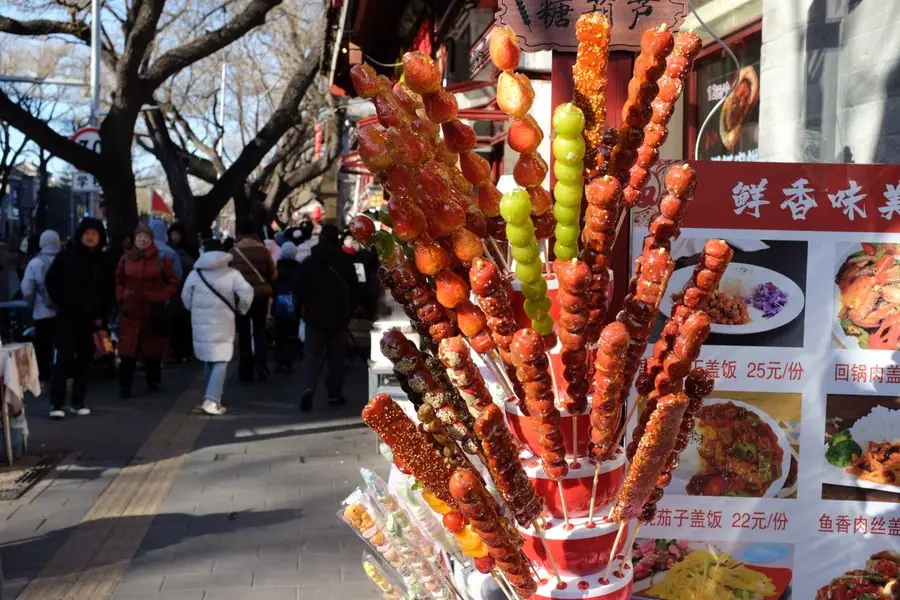
Hand-grabbed yak beef (Shouzhua maoniu)
Boiled yak meat eaten with the hands and dipped in spice — the high-plateau feast dish, leaner and gamier than lowland beef.
-
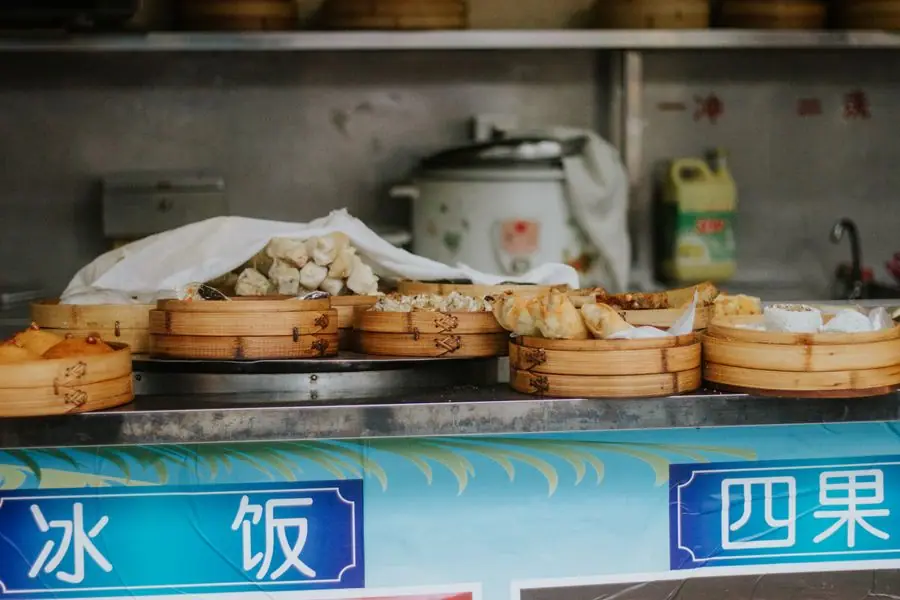
Yak yoghurt (Maoniu suannai)
Thick, sour, intensely rich yak-milk yoghurt, usually taken with a spoon of sugar — the everyday plateau dairy.
-
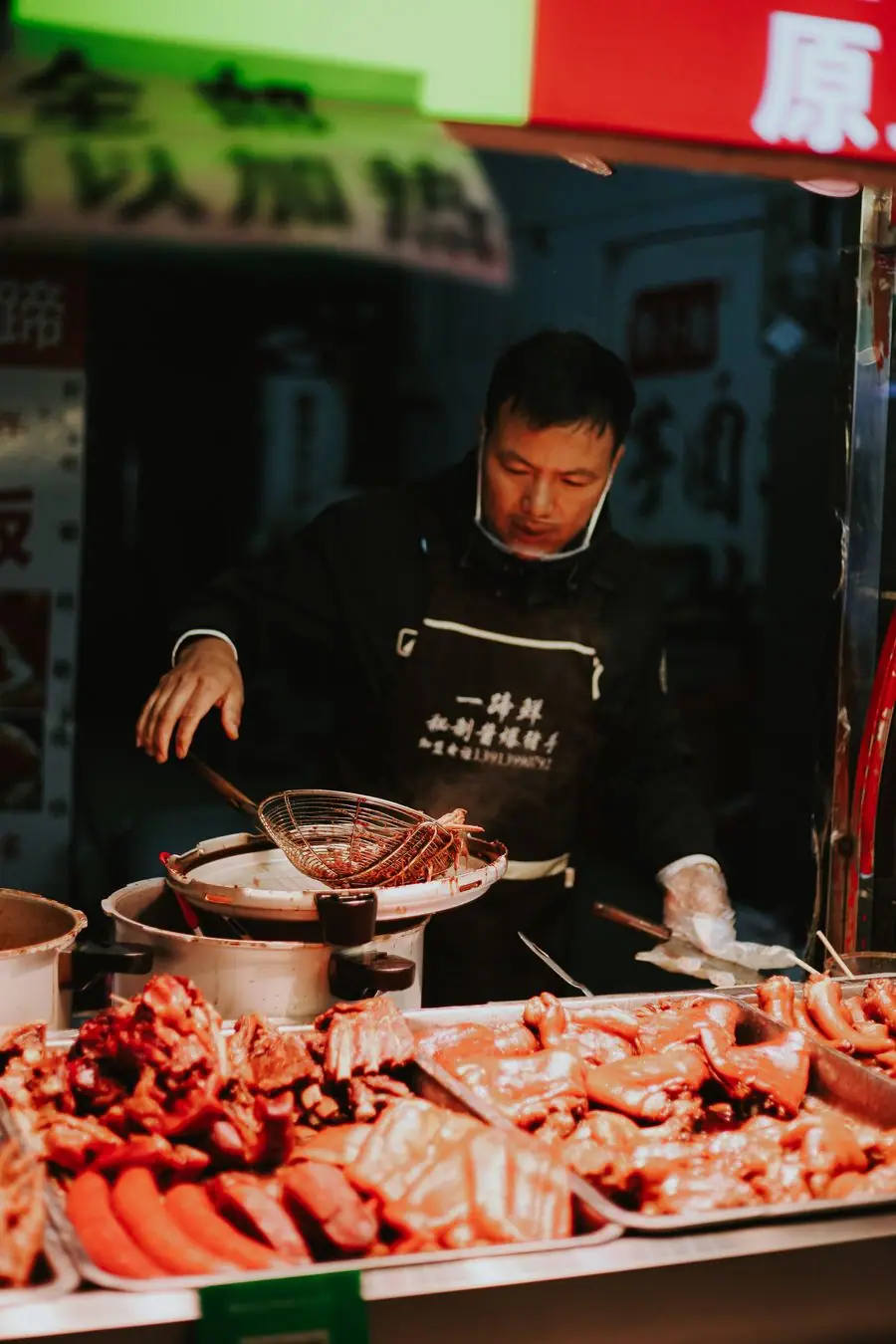
Danba smoked pig leg (Xiang zhuti)
The air-cured, smoked pig legs of Danba — hung through the plateau winter and sliced thin, the local charcuterie of the valleys.
Every major sight — with its own guide
Right after the food above, here are the sights — each one links to its own full guide (what to see, how to get there, facilities and the best season). Names follow each sight's official English signage.
Daocheng county, ~420 km SW of Kangding (fly to DCY)
~80 km W of Kangding, on the G318
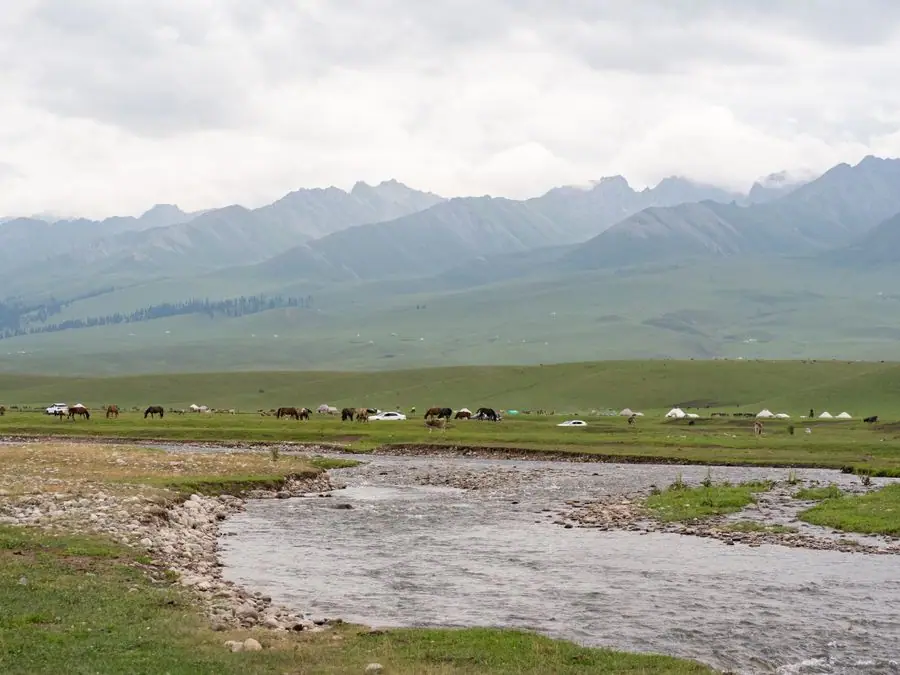
Danba county, ~150 km NE of Kangding
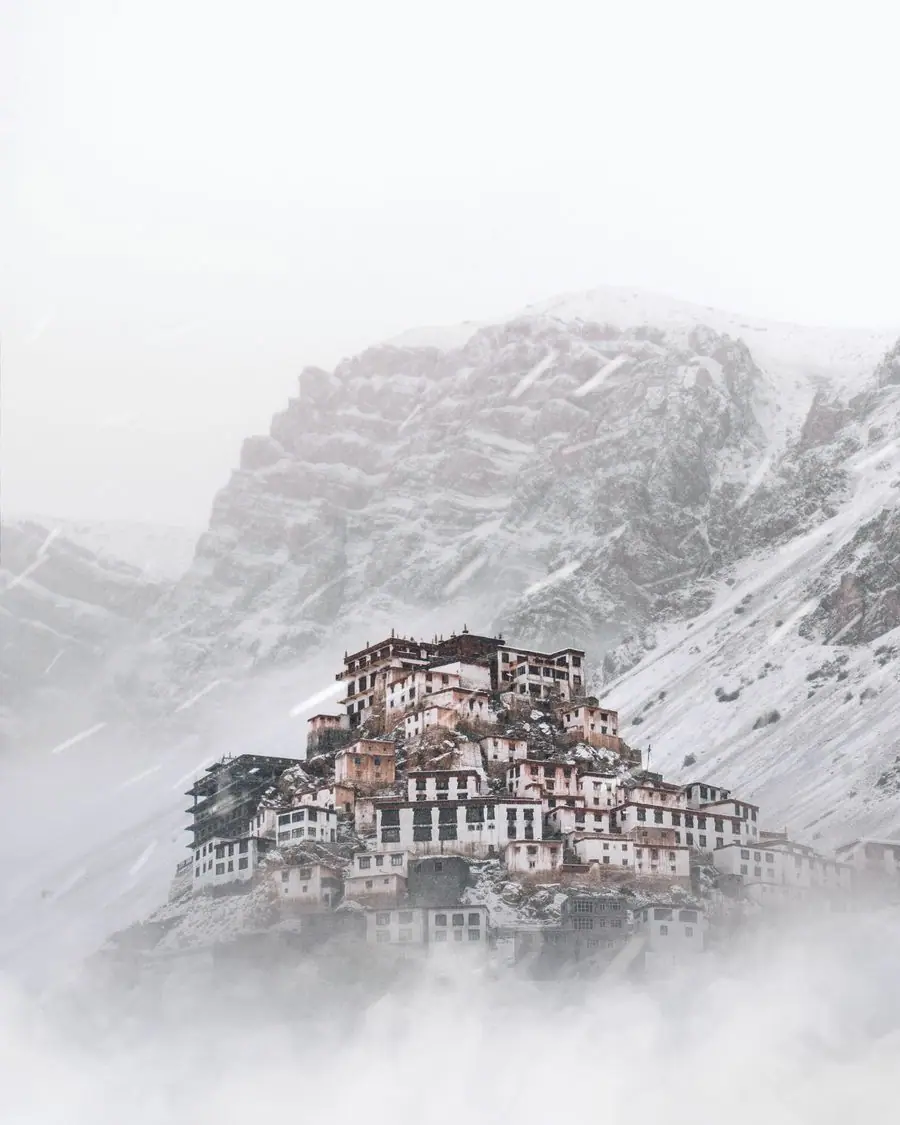
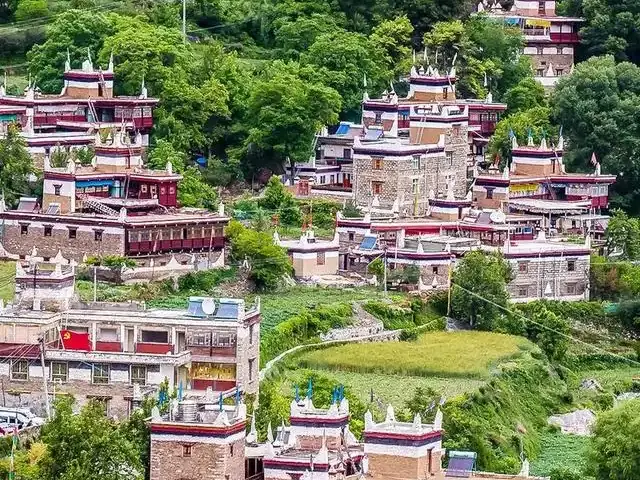
Jiaju Tibetan Village (Danba) 丹巴甲居藏寨
The 'most beautiful village of China' — the Jiaju Tibetan watchtower hamlets of Danba scattered over the terraced mountain slopes, stone-and-timber houses with flat roofs, prayer flags and apple orchards, overlooked by the great bend of the Danba river valley. The gentlest, most human side of the Kham plateau.
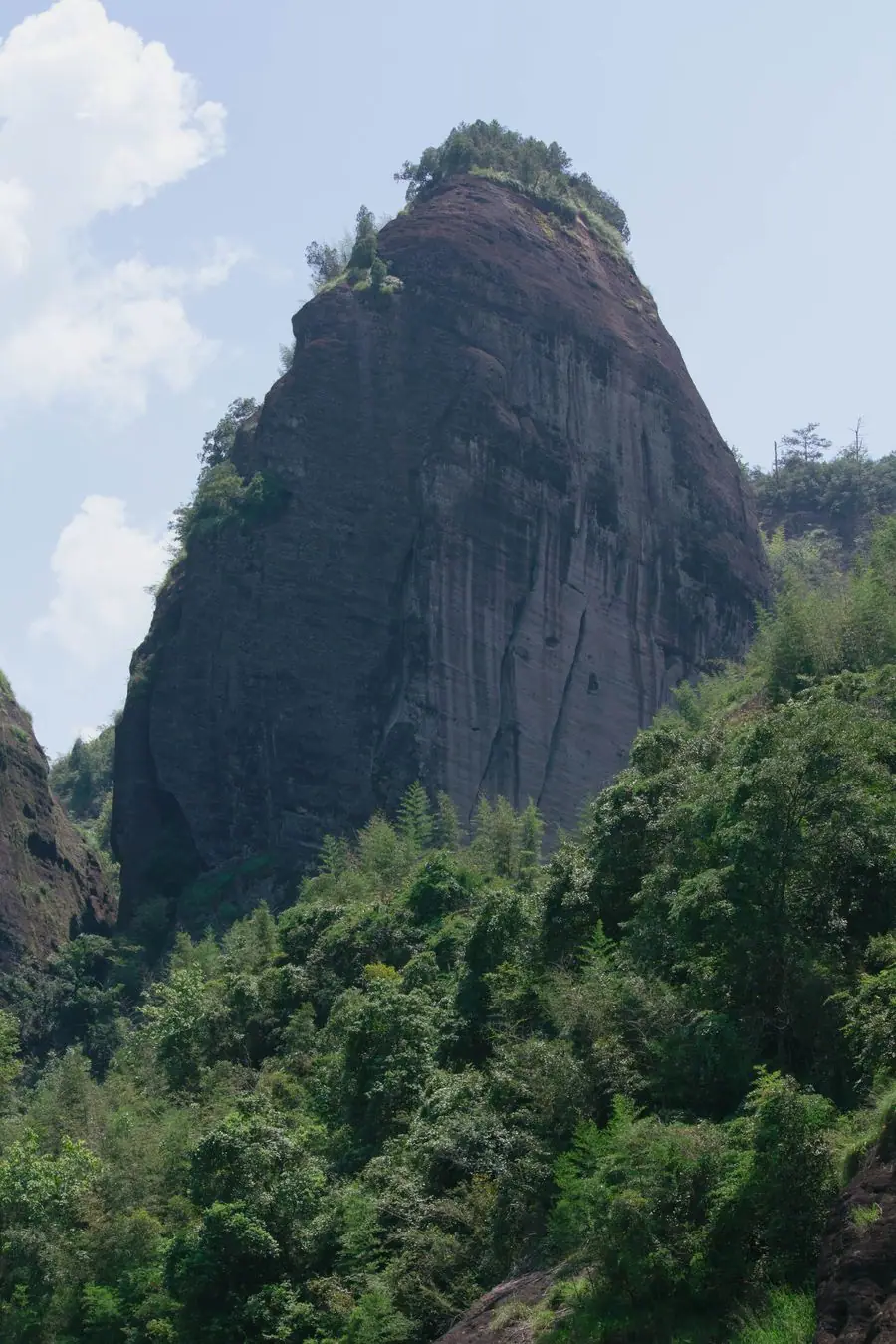
Danba Watchtowers (Suopo) 丹巴古碉群
The ancient watchtowers of Danba — stone towers up to 60 m high, built over centuries by the Tibetan and Qiang communities of the Danba river valleys as clan towers, granaries and status symbols; the Suopo group near Danba county town is the classic cluster, free to view from the road and the viewpoints. A landscape of towers that exists nowhere else at this density.
Dege county, ~350 km NW of Kangding, on the G317
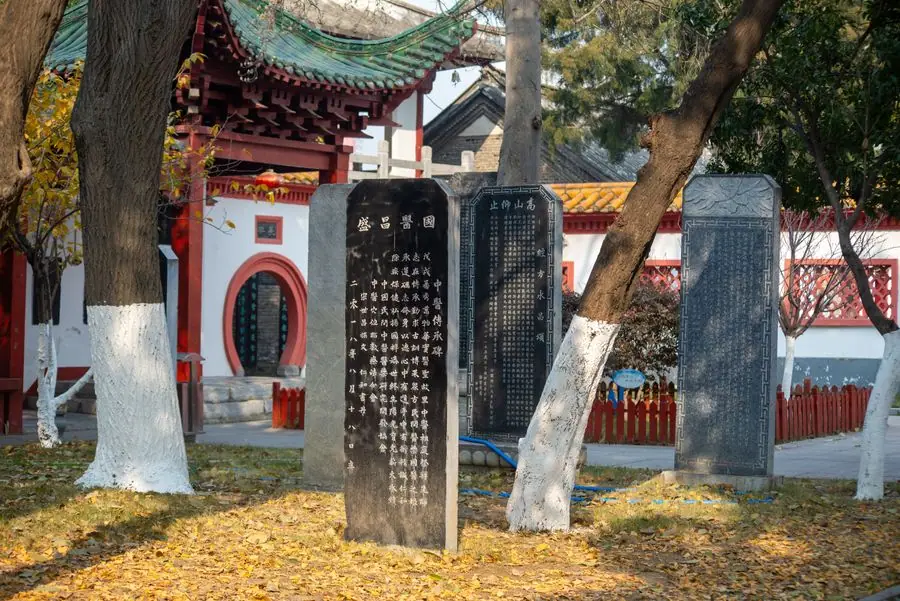
Litang county, ~140 km W of Kangding, on the G318
Xinlong county, ~260 km W of Kangding
Baiyu county, ~300 km W of Kangding, on the G317
Where to stay in Garze
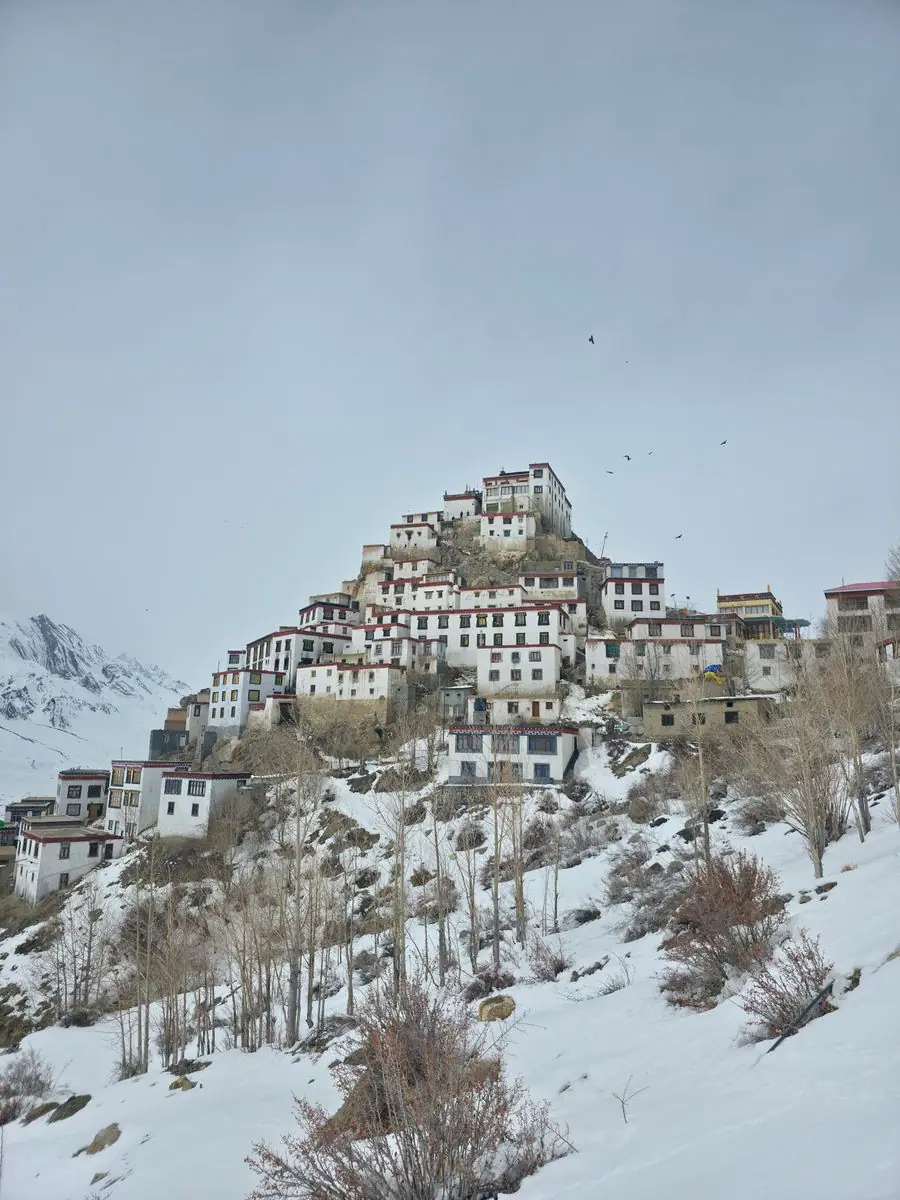
Kangding is the transport hub (stay 1 night to acclimatise at ~2,560 m); Litang (~4,000 m) is a sleeping-altitude risk — prefer to sleep lower where possible. Yading stays are at Daocheng town (~3,700 m) or the reserve's guesthouses; Seda stays are in Seda town (~3,900 m) or lower at Barkam. In winter some plateau hotels close.
Budget
$14–28 / nightGuesthouses and chain hotels in Kangding, Litang, Daocheng and Seda; simple, heated rooms — foreign-passport registration is routine.
Mid-range
$35–70 / nightThe better town hotels in Kangding and Daocheng, plus the Yading reserve guesthouses — the sweet spot; oxygen and heating vary, ask.
Splurge
$85–170 / nightThe top hotels in Kangding and Daocheng with oxygen supply and mountain views; book ahead in the autumn golden season.
Souvenirs & local crafts
Easy to pack, easy to explain at customs — and far cheaper at a supermarket than at a scenic stall.
-

Tibetan incense (Zangxiang)
Hand-rolled monastery and household incense from the plateau herbs — the classic, packable Garze souvenir, sold at the monasteries' workshops.
-

Tibetan rugs & saddle cushions (Kadian)
The wool cushion and rug weaving of the Kham Tibetan areas — thick, geometric and genuinely made on the plateau.
-
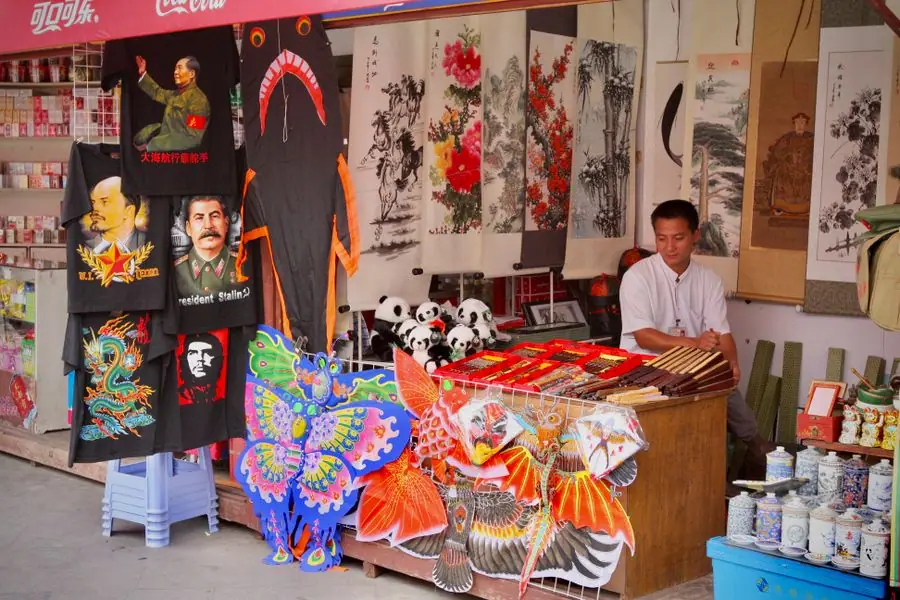
Thangka paintings (Tangka)
The painted or appliqué religious scrolls of the Tibetan tradition — buy from a registered workshop; the fine mineral-pigment pieces are serious art.
-
Dried yak meat (Maoniu rougan)
Air-dried yak strips — the high-protein travel snack, sold everywhere on the plateau; the lowland-friendly version of the plateau diet.
-
Highland barley wine (Qingke jiu)
The low, cloudy barley wine of the plateau — the communal drink of every Tibetan table in Garze; bottles travel well.
Getting around Garze
Kangding Airport (KGT) has flights from Chengdu (~1 h); Daocheng Yading Airport (DCY, ~4,411 m) is the world's highest civil airport, also served from Chengdu (~1 h). By road, Chengdu to Kangding is about 4–5 h via the Erlang Shan tunnel on the G318; long-distance buses run from Chengdu's tourist bus stations to Kangding, Litang, Daocheng and Seda.
- High-speed rail
- Chengdu–Kangding is road only; the railway ends at Ya'an, where buses continue over the mountain. The Lhasa–Nyingchi line is far to the west and not relevant to most Garze itineraries.
- Long-distance bus
- Chengdu (Xinnanmen) runs tourist buses to Kangding, Litang, Daocheng and Seda; within the prefecture, buses and shared vans link the towns, but the scenic areas need local shuttles or a booked car.
- Metro & bus
- None — this is mountain-plateau travel by road.
- Taxis
- Taxis in Kangding, Litang and Daocheng are metered and cheap, but the big distances make a booked car or tour vehicle the practical choice.
- Ride-hailing
- DiDi works in the towns; the long inter-town legs and the scenic areas are done by bus, shared van or a booked car.
- Shared bikes
- Not practical at these altitudes and distances.
- Intercity carpool
- Shared vans (pinche) run between Kangding, Litang, Daocheng and Seda; the airport shuttles connect DCY to the Yading reserve.
Plan your 1, 2 or 3 days in Garze
Pick the length of your stay. Each plan is its own page, anchored at the city centre and written from real traveller itineraries — including splits for sightseeing, shopping, landscape, families and older travellers.
Garze in one day: Kangding, Muge Lake & Tagong
The acclimatising day: the Muge Lake alpine water, the old town of Kangding and the Tagong monastery under Mt Yala — high, but gentle.
Read the plan → 2-dayGarze in two days: + Xinduqiao & the G318 west
Day two drives the G318 west through Xinduqiao's light and streams to Litang or back through Tagong — the photographic heart of Kham.
Read the plan → 3-dayGarze in three days: + Daocheng Yading or Seda
Give the third day to the headline: fly or drive to Daocheng Yading for the sacred peaks and lakes, or north to Seda's red monastery valley.
Read the plan →Frequently asked questions
- When is the best time to visit Garze?
- Late April–June and September–mid-October — clear skies for the snow peaks, comfortable days and the golden autumn light. July–August is green but cloudy and muddy; November–March is bitterly cold and the high passes can close. Altitude matters more than season: spend two nights around 2,500–3,000 m before going higher.
- Do I need a Tibet Travel Permit for Garze?
- No — Garze is in Sichuan, not the Tibet Autonomous Region, so a Chinese visa (or a 240-hour visa-free transit entry at Chengdu CTU/TFU, available to the 57 qualifying nationalities) is enough; no TTP and no compulsory guide. Confirm the current visa rules with a consulate before booking.
- How high are the sights, and is altitude sickness a risk?
- Yes, a real one. Kangding sits at ~2,560 m, Litang at ~4,000 m, Seda at ~3,900 m, Daocheng at ~3,750 m and Yading's Milk Lake at ~4,700 m. Ascend gradually, avoid flying straight from sea level to Daocheng (DCY, 4,411 m) and sleeping there the same night, drink water, avoid alcohol the first days, and descend if symptoms worsen.
- How much do the sights cost?
- Daocheng Yading is about $38 (RMB 270) with the park shuttle; Siguniang Shan about $13–21 (RMB 90–150) per valley with the shuttle; Hailuogou about $25 (RMB 175) entry and shuttle with the glacier cable car about $21 (RMB 150) return; Gongga viewpoints are free or a small local fee; Seda is free (donation, strict visiting rules); Tagong Temple about $2.82 (RMB 20); Dege Parkhang about $4.23 (RMB 30); the Luding Bridge about $1.41 (RMB 10); Muge Lake about $27 (RMB 195) with the shuttle; Jiaju village about $7.04 (RMB 50). Verify on site.
- How many days do I need in Garze?
- Three days covers Kangding–Tagong–Xinduqiao. Yading needs two full days (one to reach and acclimatise at Daocheng, one in the reserve). The full Kham loop — Kangding, Tagong, Xinduqiao, Litang, Yading — is 6–8 days; adding Seda or Siguniang makes it 10+.
- How do I get to Daocheng Yading?
- Fly Chengdu–Daocheng Yading Airport (DCY, the world's highest civil airport at ~4,411 m, ~1 h), then the airport shuttle or a booked car ~2 h to the reserve; or drive 2 days from Chengdu via Kangding and Litang on the G318. Do not sleep at Daocheng altitude the same night you fly from Chengdu — spend a night lower en route if you can.
Page last reviewed: 2026-11-02.