Mogao Caves at Dawn: Dunhuang's 1–3 Day Desert Route (2026)
Dunhuang is a Silk Road oasis where the UNESCO Mogao Caves meet the singing sand dunes and the Gobi passes of the old frontier. High-speed rail from Lanzhou and Xi’an, a walkable core and clear booking rules make the caves, the lake and the dunes straightforward — book the Mogao timed ticket, plan the desert for sunset, and the rest is easy.
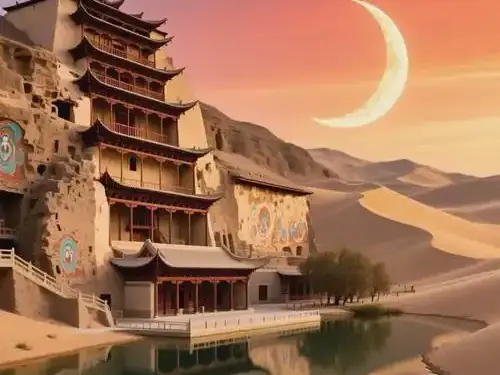
History & culture
Dunhuang began as a Han-dynasty garrison town around 111 BC, the western anchor of the Hexi Corridor where the Silk Road split north and south of the Taklamakan Desert. Emperor Wu’s outposts turned this oasis into the gateway between China and Central Asia, and caravans rested here for water and safety.
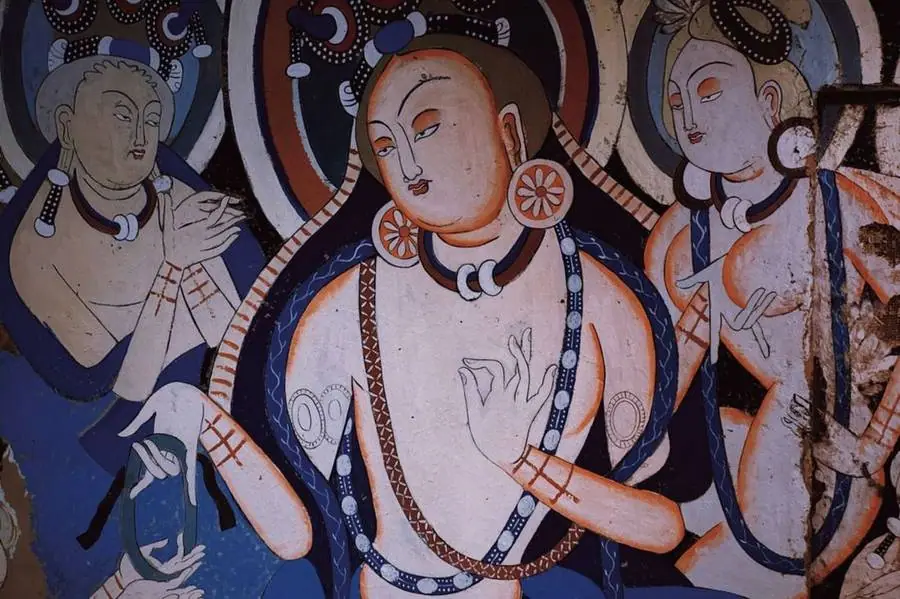
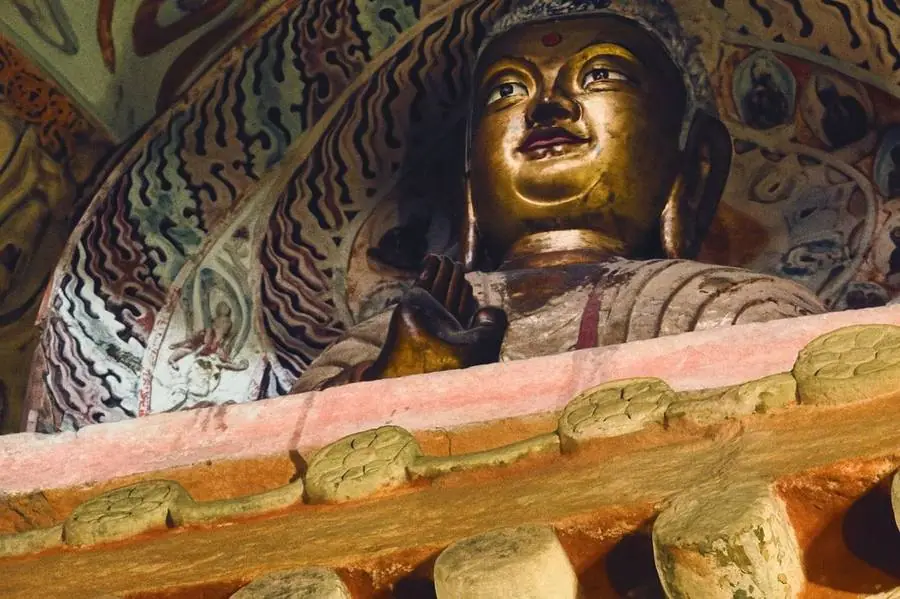
From the 4th to the 14th century, monks and patrons cut the Mogao Caves into the cliffs southeast of town, painting and sculpting Buddhist art across nearly a thousand years. The town also held the famous Library Cave, sealed in the 11th century with tens of thousands of manuscripts that later carried Dunhuang’s name around the world.
Dunhuang faded as the Silk Road declined, but its dry climate preserved the caves and murals. In 1987 the Mogao Caves became a UNESCO World Heritage Site, and today the town is the base for the grottoes, the singing sand dunes and the frontier passes of Yumen and Yangguan.
Best time to visit Dunhuang
Dunhuang is a cold-desert oasis: dry, sunny and extreme between summer heat and winter cold. Spring and autumn give the mildest days and the clearest light for the caves and the dunes.
Budget for Dunhuang: hotels from $12 a night, average ticket $$11.83 — see the full cost breakdown, or start from a ready-made route.
Cuisine of Dunhuang
Signature dishes worth seeking out — prices are typical per-person or per-dish ranges, not fixed quotes.
-
Dunhuang Hand-pulled Noodles
Springy wheat noodles pulled to order in a clear mutton broth — the everyday oasis staple, eaten hot at lunch and late dinner.
-
Donkey Meat Yellow Noodles
Dunhuang’s signature dish: chewy yellow noodles topped with savoury braised donkey meat, a local comfort food found across town.
-
Gobi Roast Lamb
Mutton roasted over open fire the Gobi way — a shared feast dish popular at the night market and group dinners.
-
Li Guang Apricots
Dunhuang’s sweet local apricots, eaten fresh in summer or dried; a gift the oasis is famous for along the Silk Road.
-
Sesame Hu Cake
A round flatbread baked in a clay oven with sesame, a Silk Road street snack still sold warm from roadside stalls.
-
Guazhou Honeymelon
The region’s honeydrew melons, sugary and juicy in late summer — cheap, refreshing and very local.
Every major sight — with its own guide
Right after the food above, here are the sights — each one links to its own full guide (what to see, how to get there, facilities and the best season). Names follow each sight's official English signage.
Southeast of Dunhuang
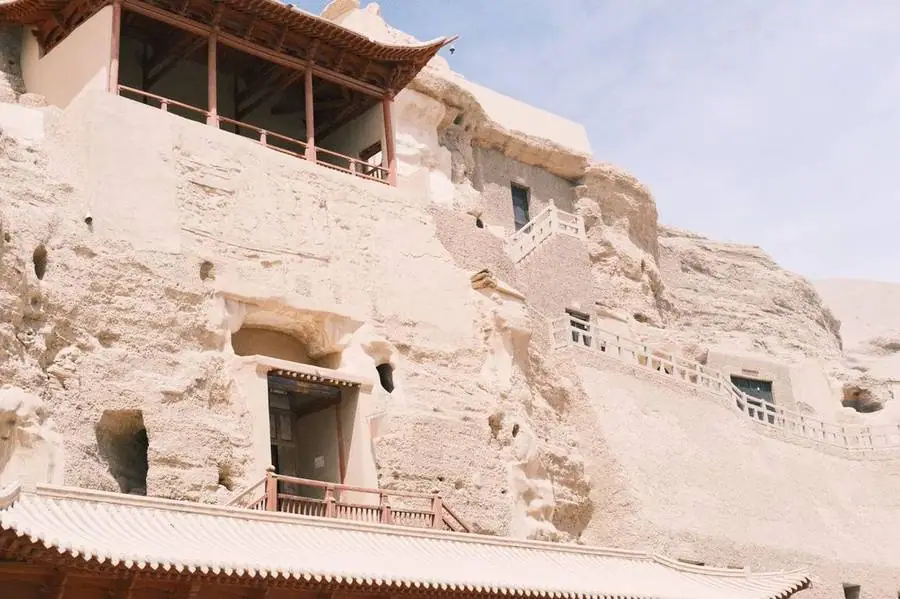
South of Dunhuang
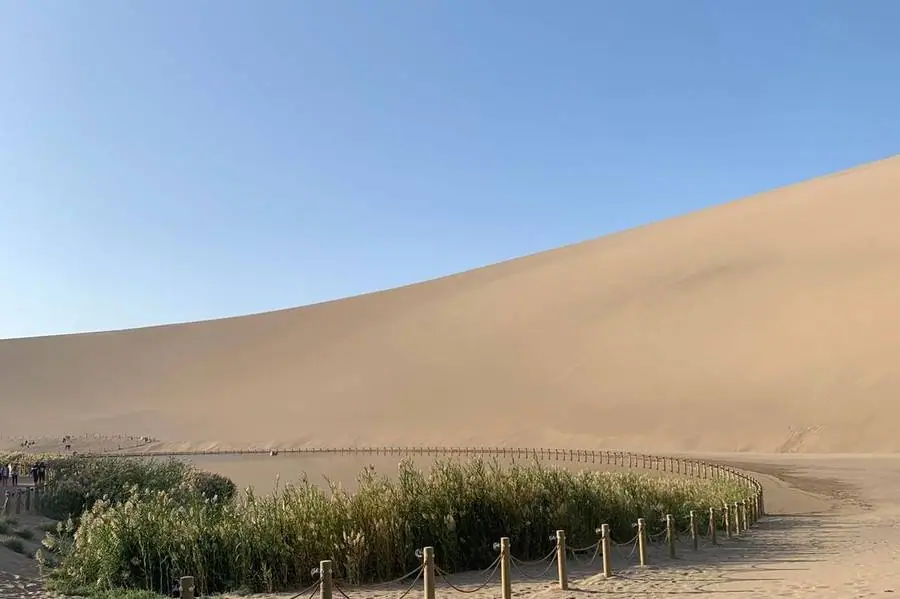
Crescent Lake 月牙泉
The spring-fed lake shaped like a crescent moon, ringed by the Mingsha dunes and never buried by the sand — the postcard oasis of Dunhuang, best at sunset.
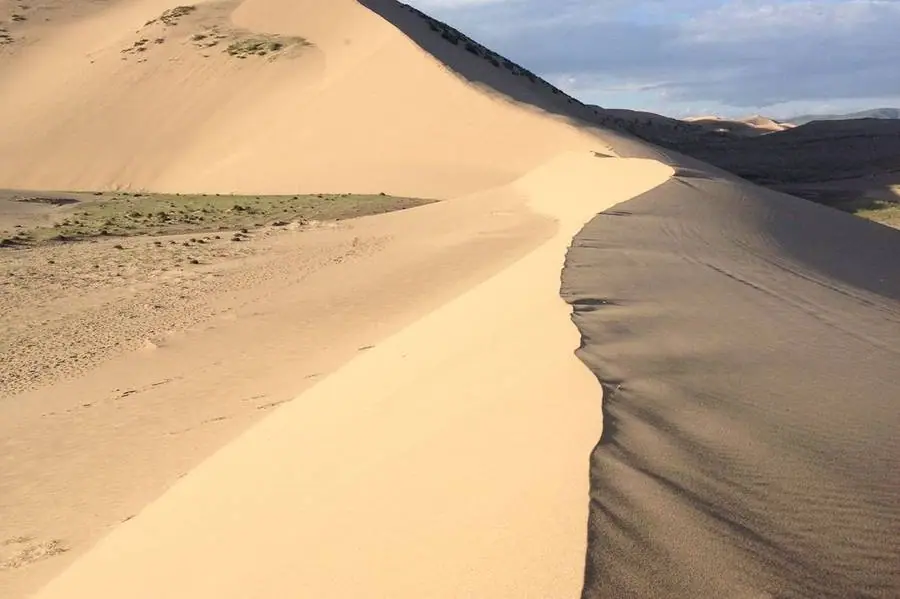
Mingsha Shan (Singing Sand Dunes) 鸣沙山
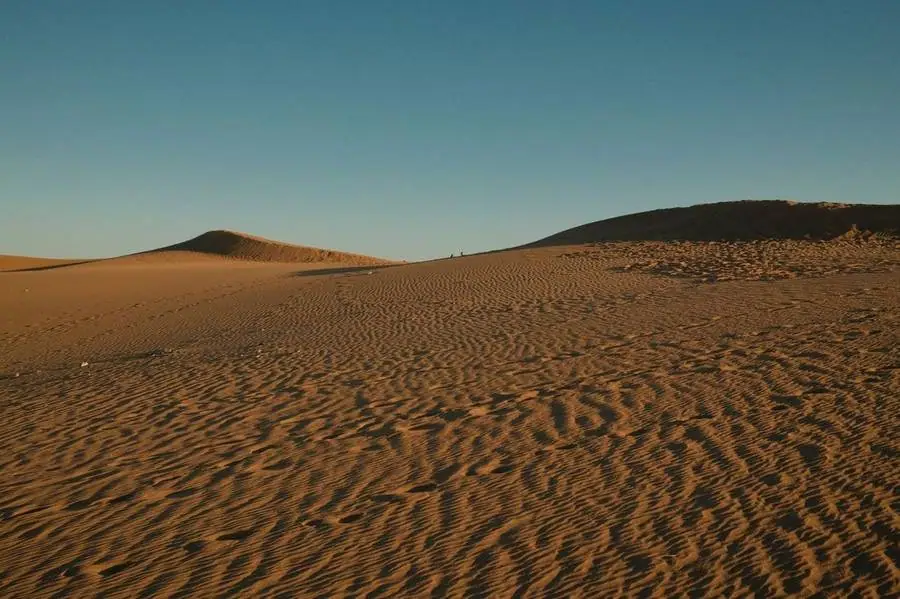
The singing sand mountains whose dunes hum underfoot, climbed for the sunset view over Crescent Lake — the desert half of the same scenic area, best in the late afternoon.
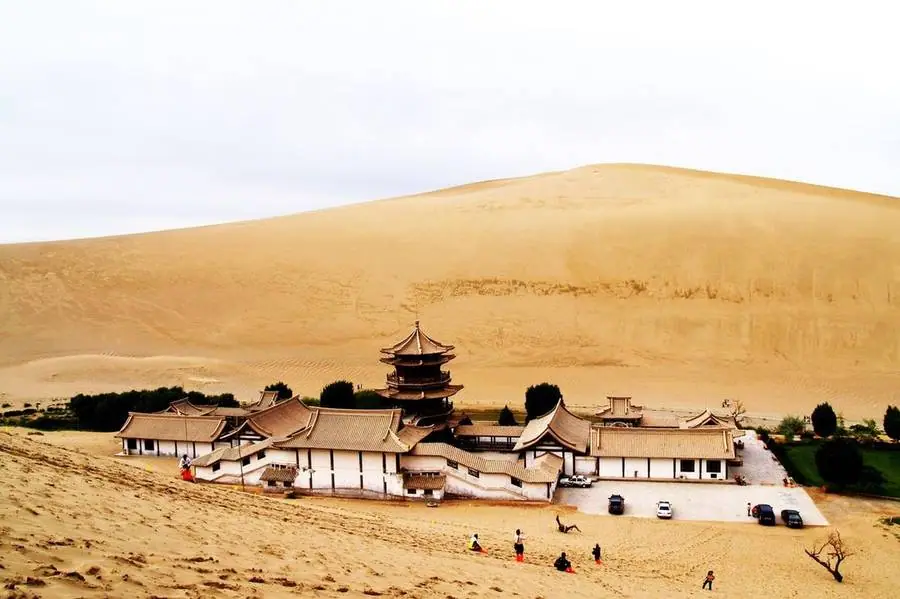
Leiyin Temple 雷音寺
The active Buddhist temple at the foot of Mingsha Shan, with painted halls and a calm courtyard — a natural add-on to a dune visit.
Northwest Gobi
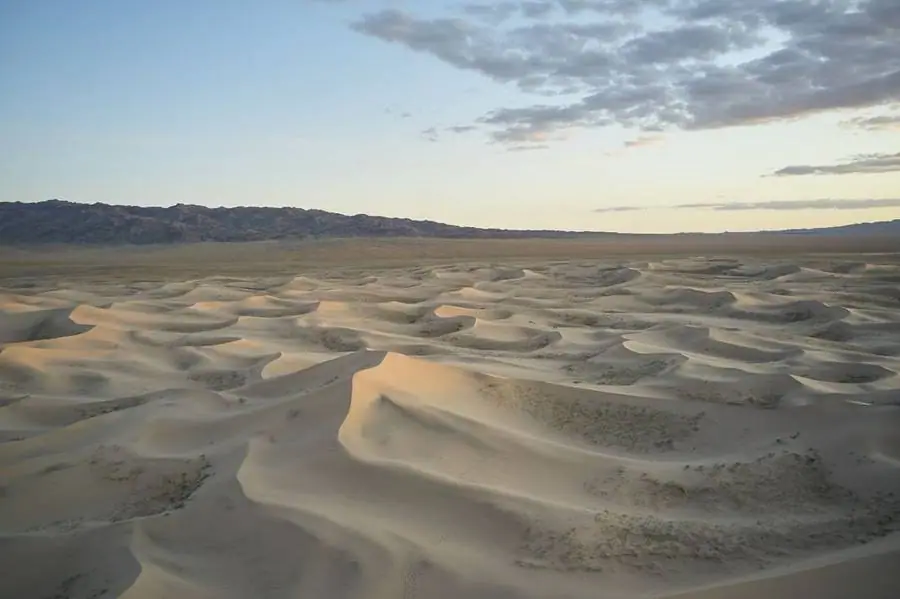
Yumen Pass 玉门关
The “Jade Gate” of the Han frontier, a lonely ruined watchtower on the Gobi where the Silk Road left China — a stark, windy stop on the northwest pass loop.
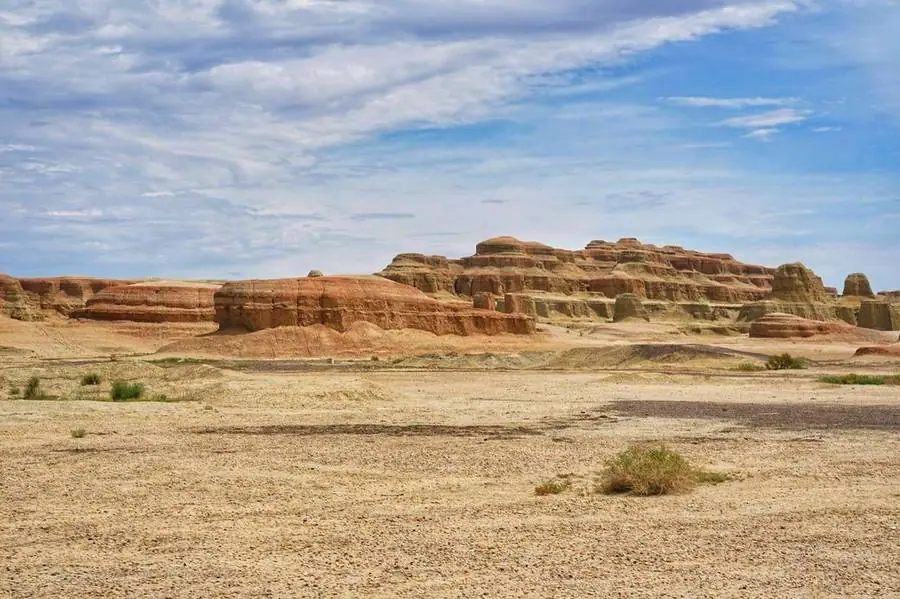
Yadan National Geopark 雅丹国家地质公园
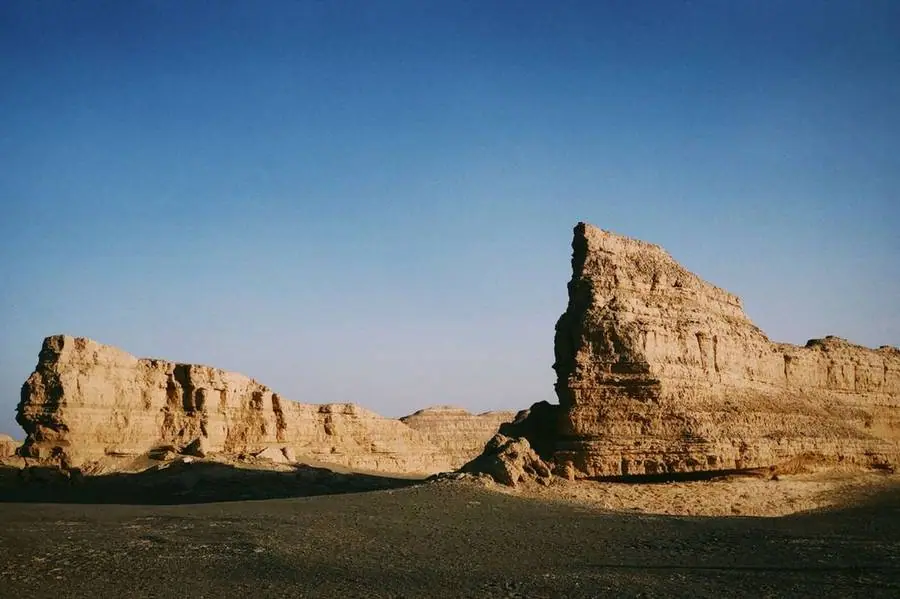
The wind-carved “Devil’s City” of red yardang pillars in the far northwest Gobi — an otherworldly desert landscape reached on a long day trip.
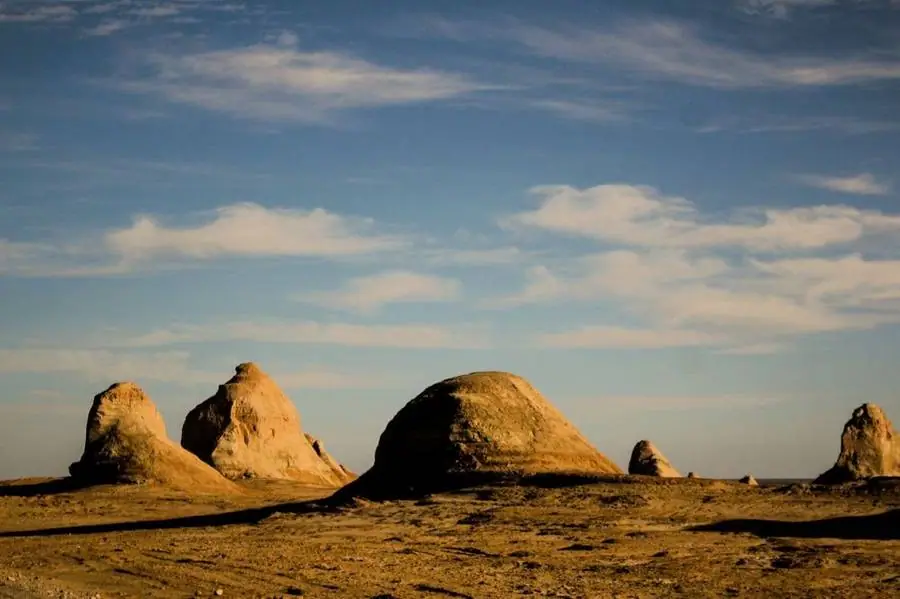
Han Great Wall Ruins 汉长城遗址
The weathered Han-dynasty rammed-earth wall and beacon mounds stretching into the Gobi, visited on the same northwest loop as Yumen Pass.
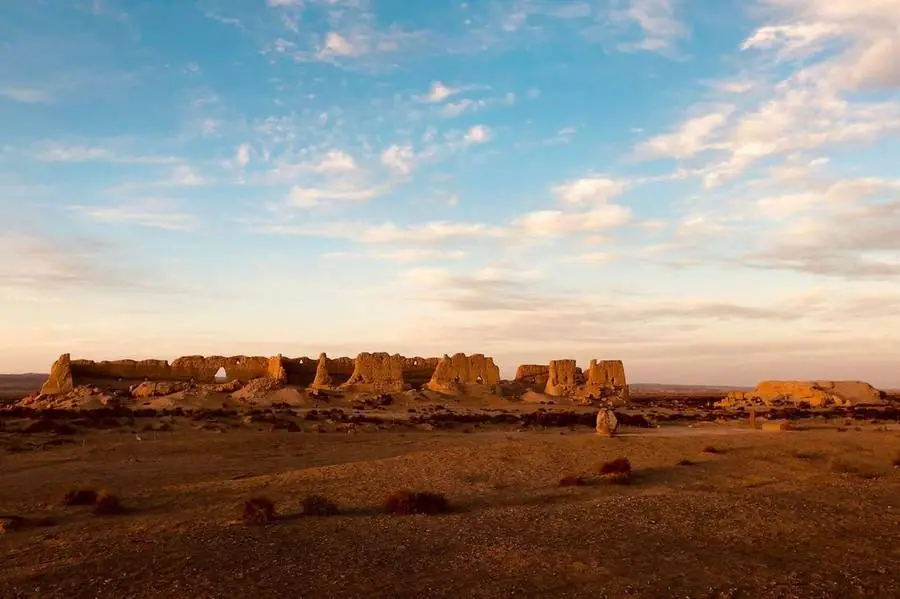
Hecang City Ruins 河仓城
The ruined Han-dynasty frontier granary and fortress on the Gobi flat, part of the Yumen Pass ticket — a windy, atmospheric ruin with few visitors.
East (Guazhou County)
West of Dunhuang
West Thousand Buddha Caves 西千佛洞
A small, peaceful cliff of Tang and Yuan cave temples by the Dang River, on the road west to Yadan — a low-key warm-up to Mogao.
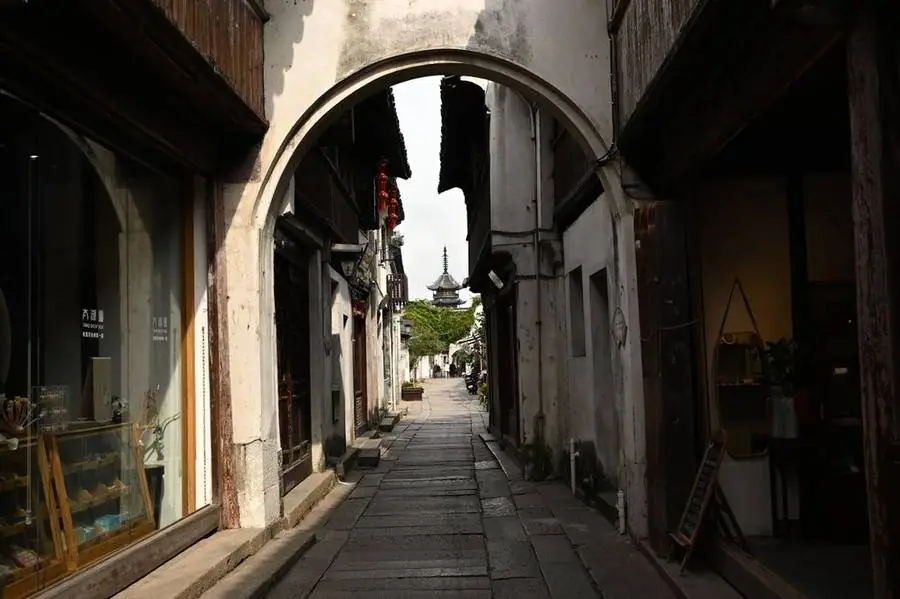
Dunhuang Ancient City 敦煌古城
A reconstructed Han-and-Tang frontier town built as a film set, with gates, lanes and costume photo ops — a quick, easy Gobi-side stop.
Dunhuang town
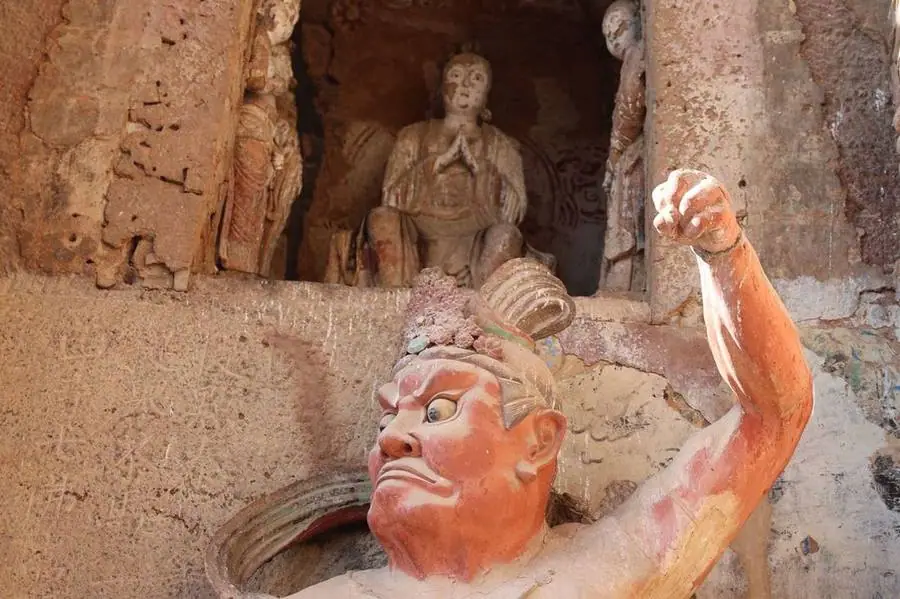
Dunhuang Museum 敦煌博物馆
The town museum of Silk Road and Mogao history, with murals, manuscripts and maps — the smart place to start before the caves.
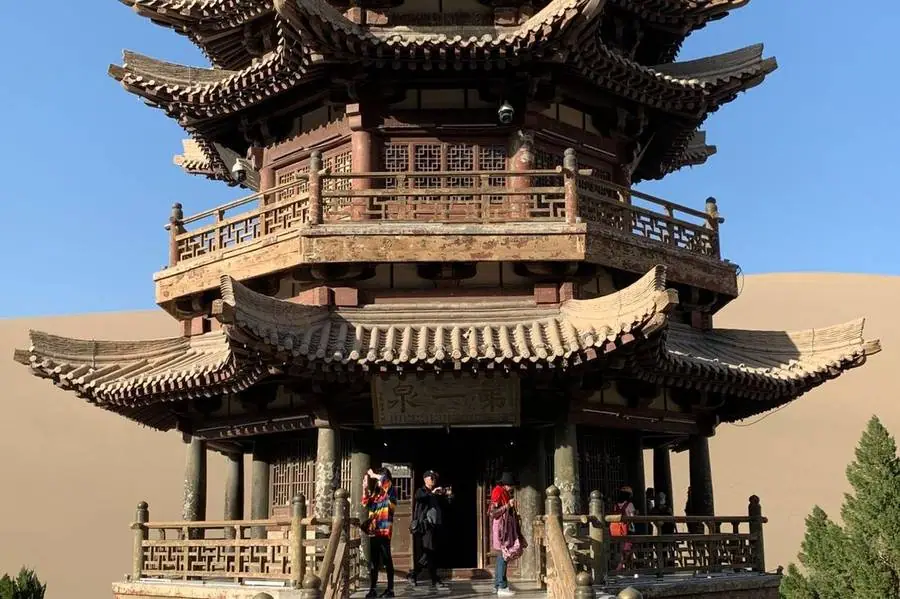
White Horse Pagoda 白马塔
The rebuilt stupa said to mark where a monk’s white horse rested on the journey west — a small, quiet landmark in the south of town.
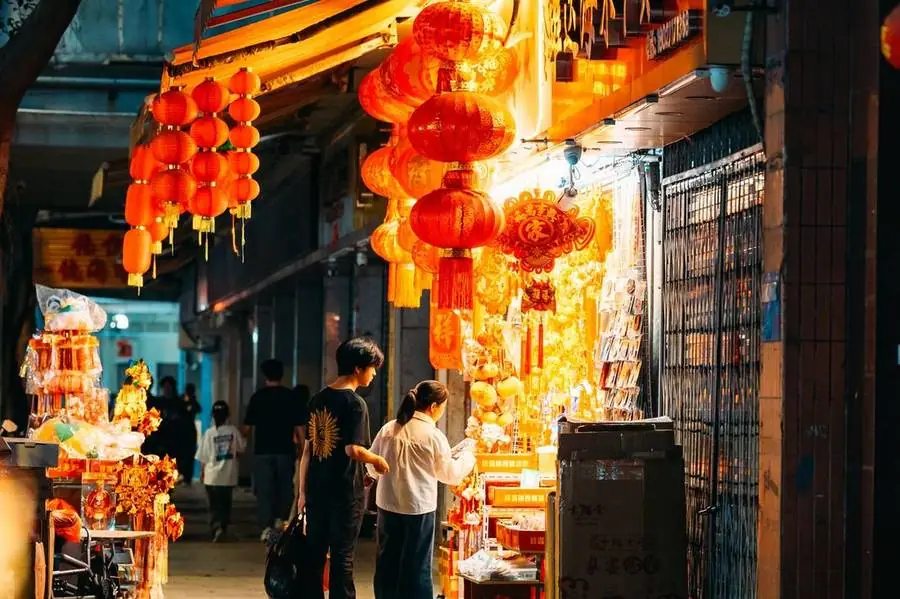
Shazhou Night Market 沙州夜市
The town’s buzzing evening market of noodle stalls, roast lamb and souvenirs — the easiest, tastiest way to feel Dunhuang after dark.
Where to stay in Dunhuang
Rates are for a standard double room in 2026. Dunhuang is small and walkable at its core; the airport is about 13 km and the railway station about 10 km. Book early for Labour Day and National Day, when rooms jump 2–3×. Confirm the USD price at booking.
Luxury
$120–280 / nightFive-star and high-end resorts near the dunes and in the new town, some with dune or oasis views and spas.
Upper mid-range
$60–120 / nightComfortable hotels a short ride from the centre and the Crescent Lake road; $60–120 / night.
Mid-range
$35–60 / nightClean Chinese business hotels around the centre and the railway station; $35–60 / night.
Budget
$18–35 / nightGuesthouses and simple inns in the town core, walking distance to the night market; $18–35 / night.
Hostels
$12–18 / nightA few backpacker hostels near the centre with dorms and privates; $12–18 / night.
Souvenirs & local crafts
Easy to pack, easy to explain at customs — and far cheaper at a supermarket than at a scenic stall.
-
Mogao Mural Replicas
Framed prints and silk scrolls of Mogao Cave art — the classic Dunhuang gift, light and easy to pack.
-
Yeguang Jade Cups
The local “luminous” cups carved from Gansu jade, a Dunhuang specialty sold in the tourist streets and museum shop.
-
Apricot Products
Dried apricots and bottled apricot juice (xing pi shui), a tangy local buy from the oasis orchards.
-
Camel-wool Crafts
Felt and wool items from Gobi camels, plus embroidered pouches, sold at the night market.
-
Silk Road Curios
Miniature replicas of the passes and caves, local jade and embossed bookmarks — small, meaningful souvenirs.
Getting around Dunhuang
Dunhuang is compact and flat; the town core is walkable and the sights spread into the desert on every side. There is no metro — buses, taxis, DiDi and booked drivers cover the rest, and high-speed rail now links Dunhuang to Lanzhou and Xi’an.
- High-speed rail
- Dunhuang Railway Station sits about 10 km east of the town centre on the Guazhou–Dunhuang line; high-speed services run to Lanzhou, Xi’an and Jiayuguan.Trains use real-name booking with a passport; buy through 12306 or a travel app and bring the same passport to the gate.
- Long-distance bus
- Long-distance coaches run from the bus station to Guazhou, Jiayuguan and other Gansu towns; book at the station or via apps. For the far sites (Yulin Caves, Yadan) most visitors join a tour or hire a driver.
- Metro & bus
- There is no metro in Dunhuang. The town is small and walkable; get around on foot, by bus, taxi or booked car.
- Taxis
- Taxis start around $1.50 and are metered; useful for the short hops from your hotel to the dune entrance or the museum.
- Ride-hailing
- DiDi runs inside Alipay with an English map and card payment — the easiest way to hail a car without Chinese cash or a local SIM.
- Shared bikes
- Shared bikes suit the flat rides around the town core and to the museum; the dunes and Gobi sites are far too distant to cycle.
- Intercity carpool
- Ride-pooling exists but is awkward for foreigners; for Yumen Pass, Yangguan, Yadan and Yulin Caves, book a driver, shuttle or join a tour.
Plan your 1, 2 or 3 days in Dunhuang
Pick the length of your stay. Each plan is its own page, anchored at the city centre and written from real traveller itineraries — including splits for sightseeing, shopping, landscape, families and older travellers.
Dunhuang in 1 Day
The Mogao Caves, Crescent Lake and Mingsha Shan, with dune sunset and the night market.
Read the plan → 2-dayDunhuang in 2 Days
Day one on the caves and dunes, day two Yumen Pass, Yangguan or the Yadan Geopark.
Read the plan → 3-dayDunhuang in 3 Days
Add the Yadan Geopark, Yulin Caves and the museum and temples to the caves and dunes.
Read the plan →Frequently asked questions
- Do I need a visa for Dunhuang?
- Dunhuang has no 144-hour transit port, so arrange a Chinese visa before you fly unless you already qualify for visa-free entry through a major gateway city. Check the current list with a consulate before booking.
- When is the best time to visit Dunhuang?
- April–May and September–October bring mild, clear weather and the best light. Summer (Jun–Aug) is very hot, often 35–40 °C; winter is cold but calm. Avoid Labour Day (May 1–5) and National Day (Oct 1–7) for smaller crowds.
- Do I need to book the Mogao Caves in advance?
- Yes. The caves sell timed tickets that often sell out in peak season. Foreign visitors can reserve through the official Mogao Caves channel (the official site or app) with a passport number — book as early as you can.
- Can foreigners visit the Mogao Caves?
- Yes. Foreign passport holders are welcome; reserve a timed entry in advance and bring your passport to the gate. The caves are the city’s headline sight, not a restricted site.
- How do I reach the desert dunes and the Gobi passes?
- Crescent Lake and Mingsha Shan are about 6 km south (taxi, DiDi or shuttle). Yumen Pass, Yangguan and Yadan are 70–180 km into the Gobi; hire a driver, join a tour, or take a long-distance shuttle.
- How many days do I need in Dunhuang?
- Two full days cover the Mogao Caves, Crescent Lake, Mingsha Shan and the museum without rushing; add a third for Yumen Pass, Yangguan or the Yadan Geopark. One day is tight but possible on a highlights loop.
- Is Dunhuang walkable?
- The town core is flat and walkable, with the night market and museum on foot. The headline sights sit outside town and need a taxi, shuttle or driver, so plan transport for the dunes and the passes.
Page last reviewed: 2026-11-02.