Datong 2026: Yungang Grottoes, the Hanging Temple & City Wall on a 1–3 Day Plan
Datong is a former Northern Wei capital in Shanxi, built around the UNESCO Yungang Grottoes and the cliff-side Hengshan Hanging Temple. It pairs a rebuilt Ming city wall with Liao-dynasty wooden temples, and it is compact and walkable. Plan the two must-sees first, then add the pagoda, the mountains and the museums.

History & culture
Datong began as Pingcheng, the capital of the Northern Wei dynasty (398–494), who carved the Yungang Grottoes and made the city a Buddhist and Silk Road hub before moving south to Luoyang.
After the Wei, Datong stayed a frontier stronghold. The Liao (907–1125) and Jin (1115–1234) made it a western capital, leaving Huayan and Shanhua — two of the finest wooden temple complexes in northern China.
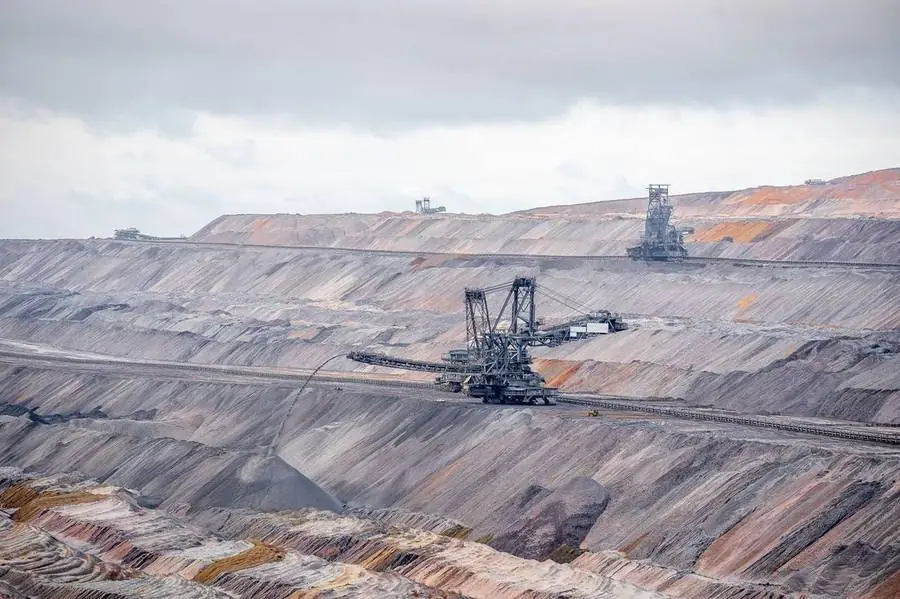
The Ming rebuilt Datong as a garrison walled city against the Mongols, and coal made it an industrial powerhouse in the 20th century. Today the mines sit beside a restored ancient city and a UNESCO cliff of stone.
Best time to visit Datong
Datong sits at about 1,040 m on the Loess Plateau, so it stays cool and dry; late spring and early autumn give the clearest light for the grottoes and the city wall.
Budget for Datong: hotels from $10 a night, average ticket $$7.59 — see the full cost breakdown, or start from a ready-made route.
Cuisine of Datong
Signature dishes worth seeking out — prices are typical per-person or per-dish ranges, not fixed quotes.
-
Datong Knife-Cut Noodles (Daoxiao Mian)
Springy wheat noodles shaved straight from a dough block into the pot — the local everyday bowl, served with a savoury meat sauce.
-
Yongzhou Huoshao (Roasted Flatbread)
A crispy, layered flatbread baked in a clay oven, eaten plain or stuffed; a cheap, filling street snack.
-
Mutton Stewed with Cabbage
Northern Shanxi’s cold-weather dish — tender lamb and cabbage in a light broth, hearty after a day on the wall.
-
Yellow Millet Congee (Huangmi Zhou)
A sweet, glutinous millet porridge steamed with red dates; Datong’s traditional breakfast and festival food.
-
Gluten and Cold Noodles (Liangfen)
Chilled mung-bean jelly with garlic, vinegar and chili — a cooling summer side sold from old-town stalls.
-
Roast Lamb (Kao Yangrou)
Coal-country grilled lamb skewers with cumin, a night-market favourite around the restored city centre.
Every major sight — with its own guide
Right after the food above, here are the sights — each one links to its own full guide (what to see, how to get there, facilities and the best season). Names follow each sight's official English signage.
West of Datong (Yungang)
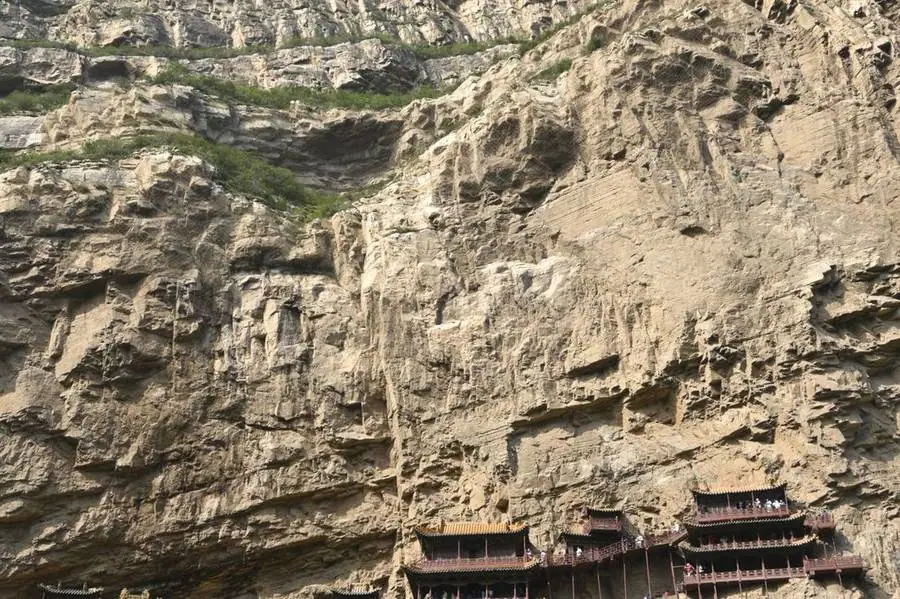
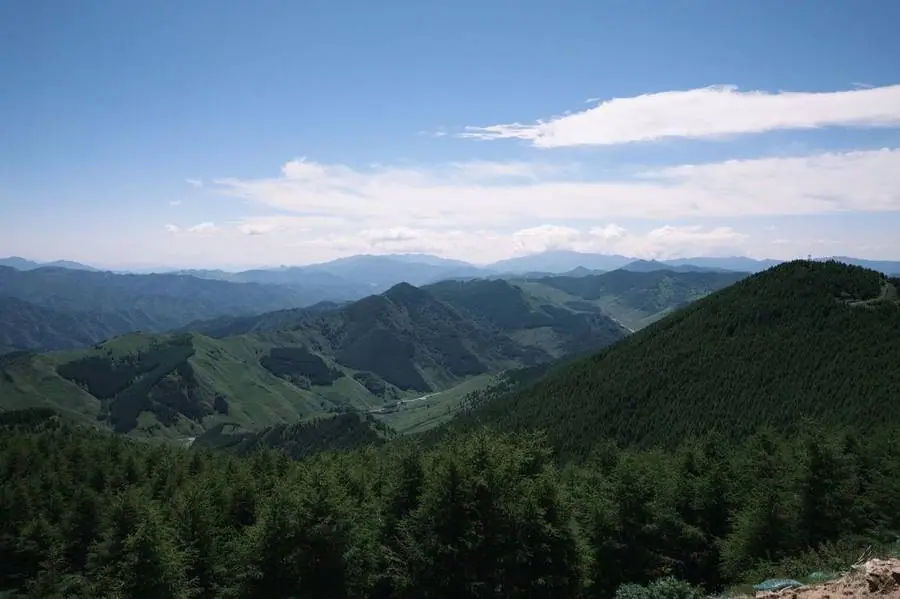
Hengshan, Hunyuan County
Datong City (centre)
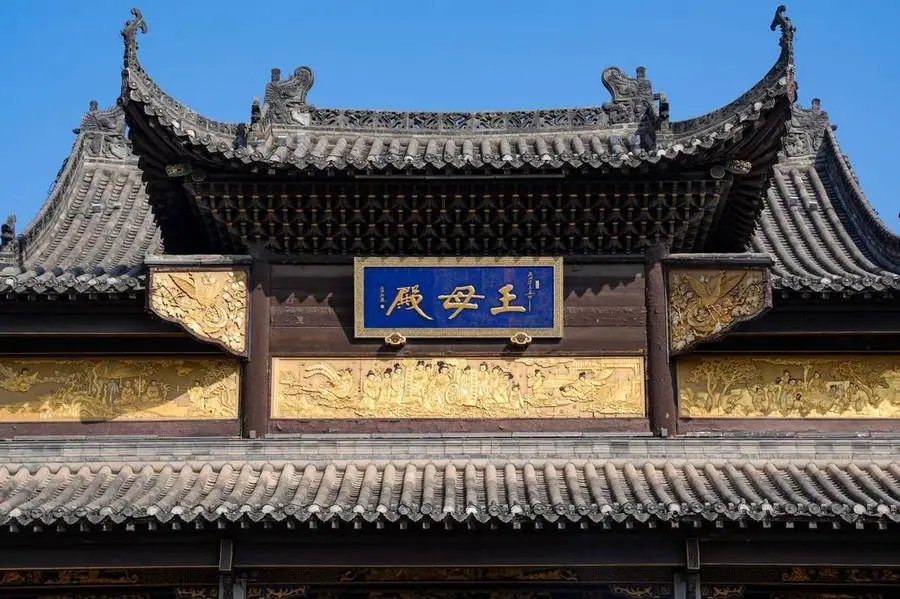
Huayan Monastery 华严寺
The grand Liao-dynasty monastery with the tallest wooden pagoda-style hall in China and a giant, gentle-smiling Buddha — the city’s best temple.
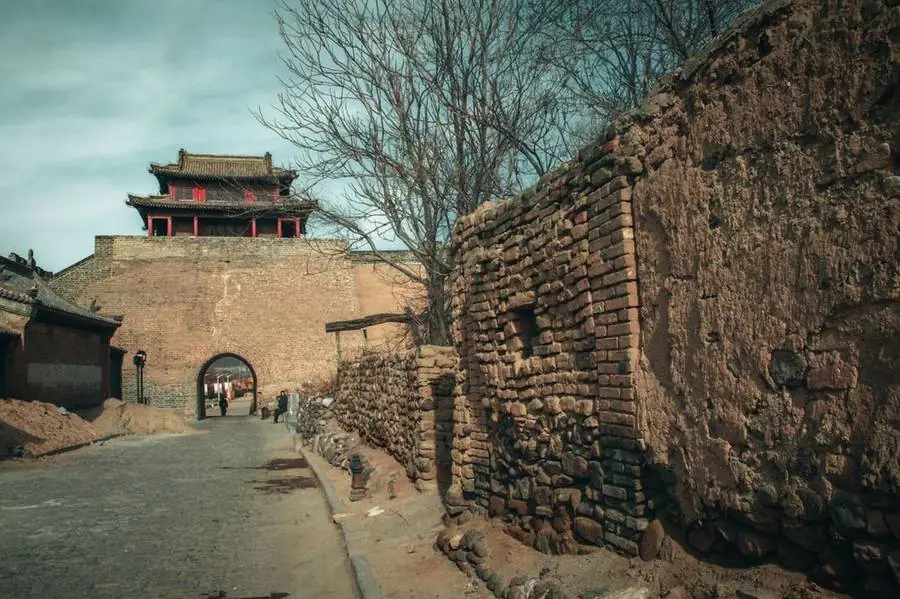
Datong City Wall 大同城墙
A 14 km Ming wall rebuilt and lit at night — walk the top for a flat loop with watchtower views over the old city.
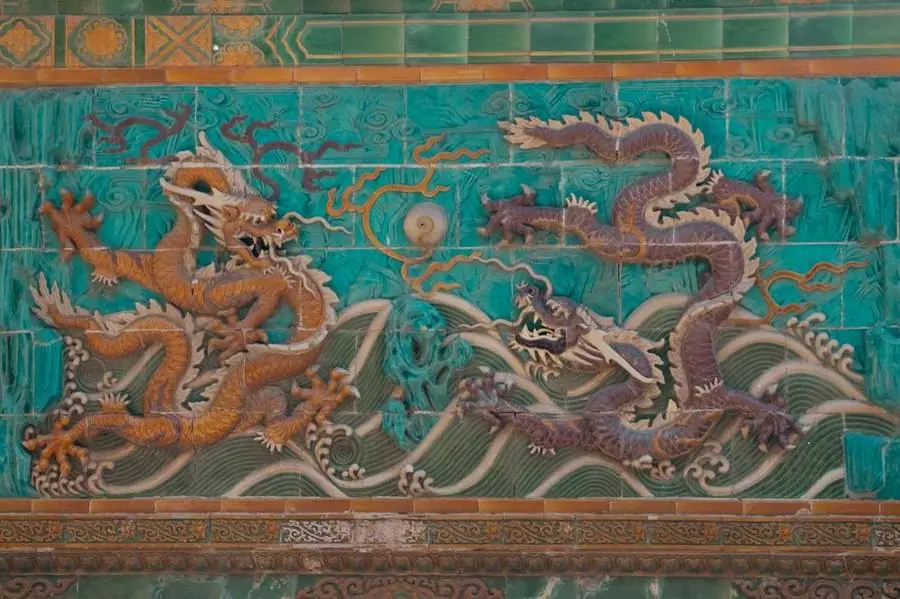
Nine Dragon Screen 九龙壁
A 45 m glazed-brick wall of nine coiling dragons — bigger than Beijing’s, and a five-minute stop between the temples.
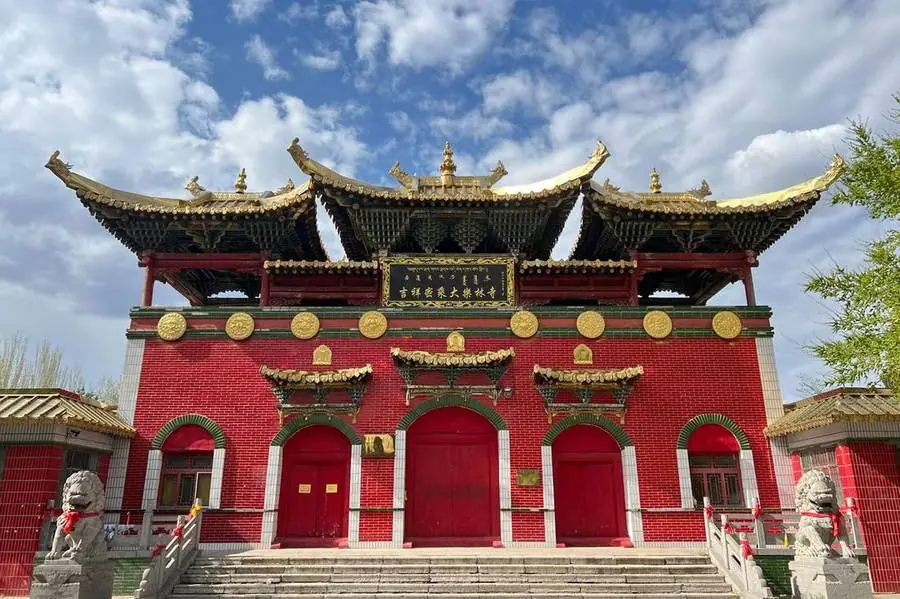
Guandi Temple 关帝庙
The old city’s temple to the god of loyalty, with a fine Ming stage and courtyard — a quick, central stop.
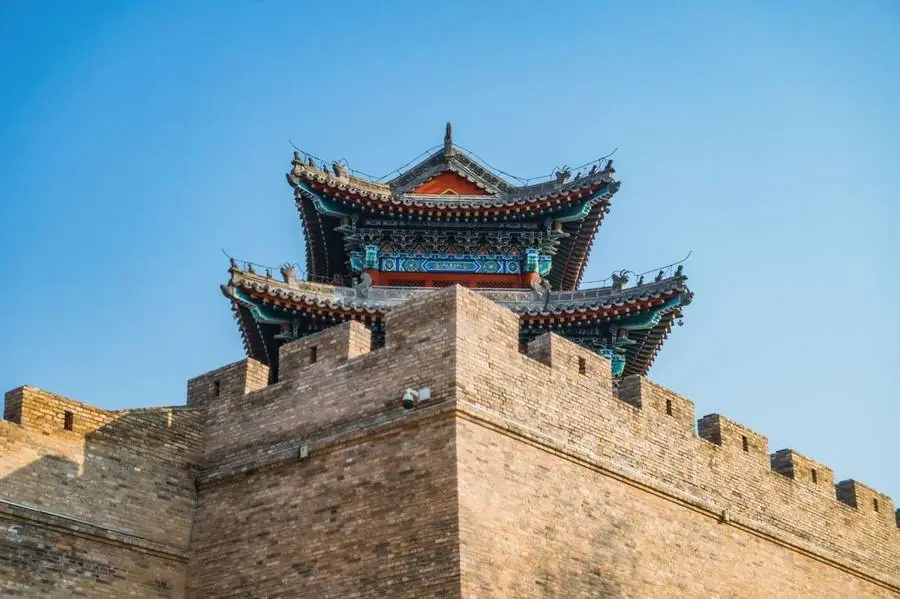
Drum Tower 鼓楼
The rebuilt drum tower on the old central axis — climb for a quick rooftop look over the renewed ancient city.
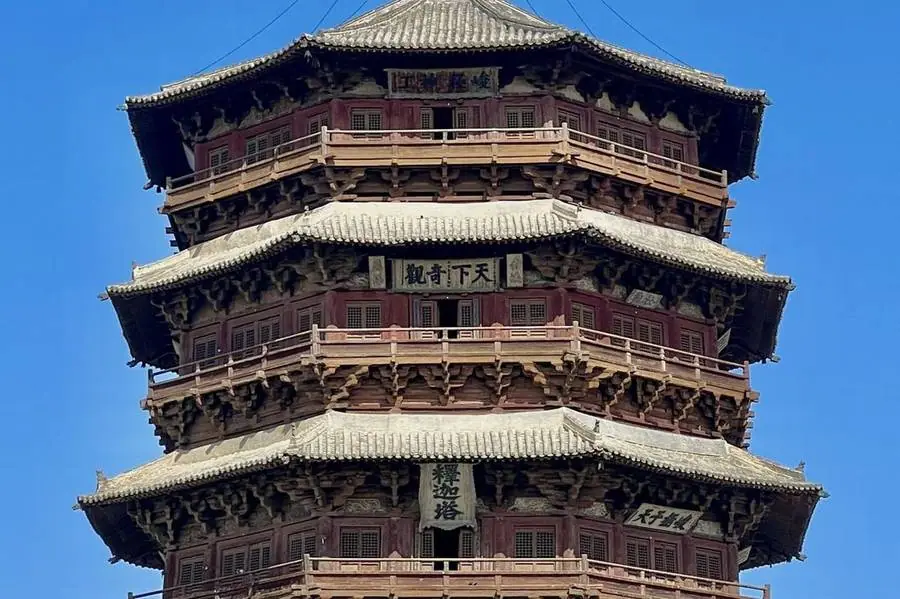
Datong City (south)
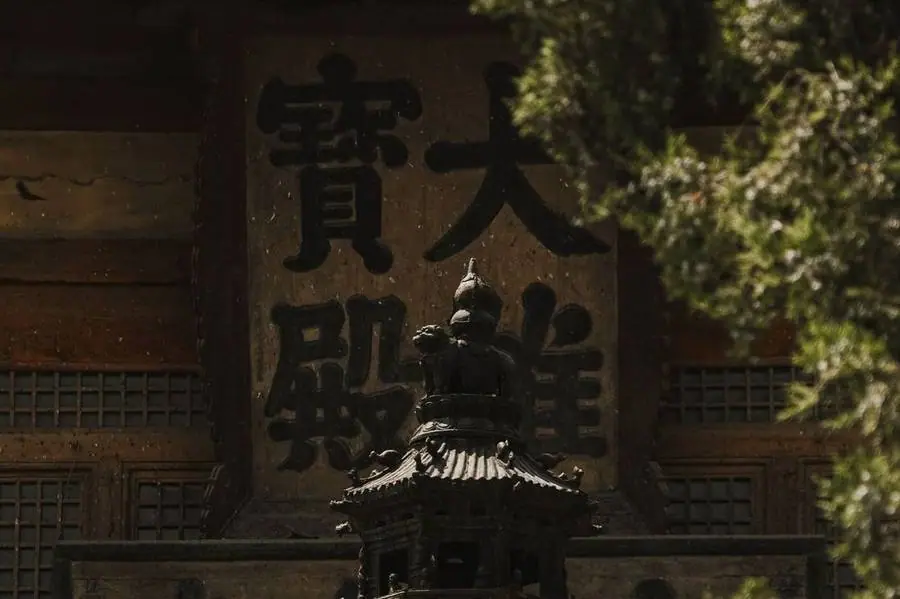
Datong City (north)

Datong City (east)
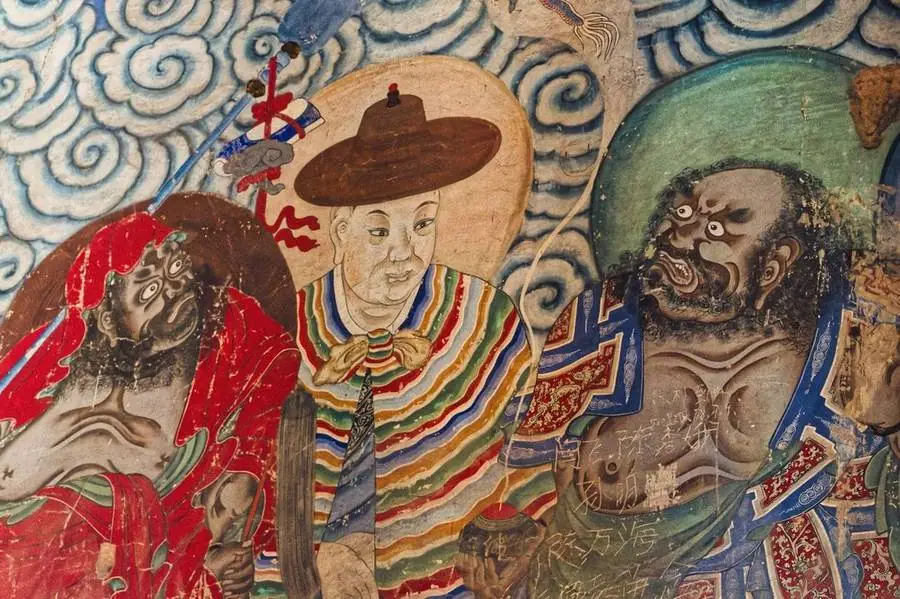
Datong County (east)
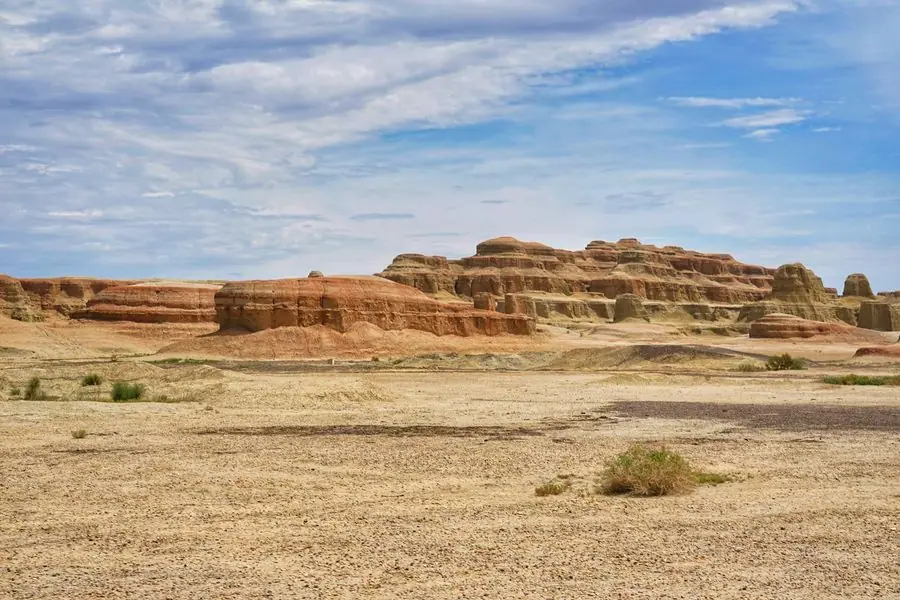
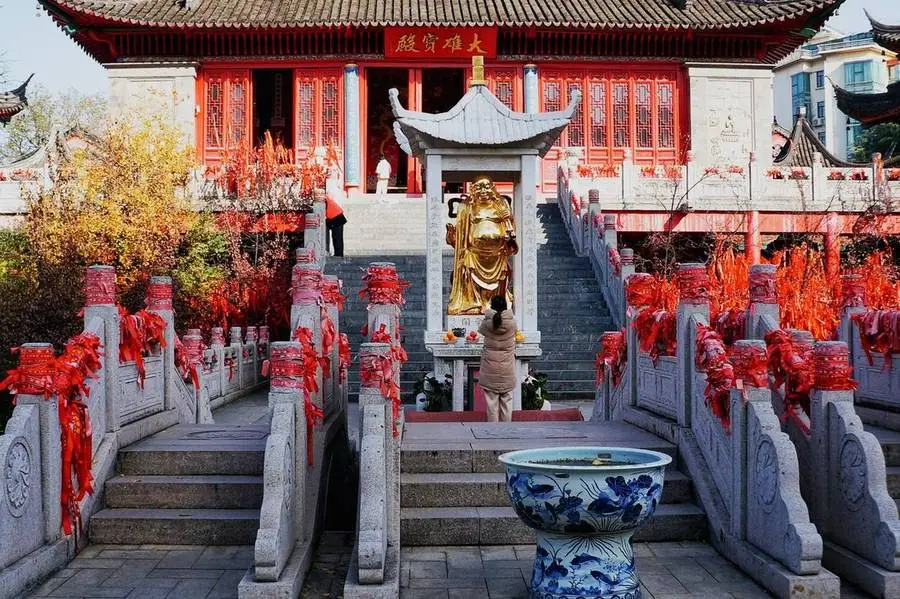
Jinhua Palace Mine, west
Where to stay in Datong
Rates are for a standard double room in 2026. Datong is compact, so a hotel inside or by the ancient city puts Yungang shuttles, the wall and the temples within a short ride; rooms facing the wall cost a little more. Confirm the USD price at booking.
Luxury
$90–180 / nightFour- to five-star hotels by the restored ancient city and the high-speed station, with gyms, spas and breakfast.
Upper mid-range
$50–90 / nightComfortable business hotels within walking distance of the city wall and Huayan Temple.
Mid-range
$30–50 / nightClean Chinese business hotels near the railway station and the old-city gates.
Budget
$16–30 / nightGuesthouses inside and near the ancient city — basic doubles with character.
Hostels
$10–16 / nightSocial backpacker hostels near the station, with dorms and privates.
Souvenirs & local crafts
Easy to pack, easy to explain at customs — and far cheaper at a supermarket than at a scenic stall.
-
Yungang Grottoes Replicas
Small resin or stone Buddha statues modelled on the grottoes — the classic Datong keepsake, sold near the site and in the old city.
-
Shanxi Vinegar
Aged mature vinegar from the region, sold in gift bottles; a practical, very local buy.
-
Coal Carvings
Intricate figurines and scenes carved from Datong coal — a quirky, unmistakably local craft.
-
Paper-Cut (Jianzhi)
Red paper-cut folk designs from northern Shanxi, framed or loose; light and easy to pack.
-
Buckeye (Chestnut) Sweets
Boxed roasted chestnuts and local dried fruits — an edible gift from the Loess Plateau.
Getting around Datong
Datong is compact and flat at its core, with no metro — buses, taxis, DiDi and bikes cover the city, while high-speed rail now links it to Beijing and Taiyuan.
- High-speed rail
- Datong South Railway Station is on the high-speed line from Beijing (about 2 hours) and Taiyuan (about 2.5 hours); book with a passport via 12306 or a travel app.Trains use real-name booking with a passport; bring the same passport to the gate. The station is about 8 km south of the ancient city.
- Long-distance bus
- Long-distance coaches run from Datong bus stations to Yingxian (for the Wooden Pagoda), Hunyuan (Hanging Temple, Mount Heng) and other Shanxi towns; book at the station.
- Metro & bus
- There is no metro in Datong. The ancient city is walkable; get around the rest by bus, taxi or DiDi.
- Taxis
- Taxis start around $1.40 and are metered; they can drop you at the ancient-city gates, since cars cannot enter the pedestrian core.
- Ride-hailing
- DiDi runs inside Alipay with an English map and card payment — the easiest way to hail a car without Chinese cash or a local SIM.
- Shared bikes
- Shared bikes (Alipay Haibike / Meituan) suit the flat rides along the city wall and through the old quarters.
- Intercity carpool
- Ride-pooling exists but is awkward for foreigners; for Yungang, the Hanging Temple and Yingxian, take the tourist shuttle, a booked driver or a tour.
Plan your 1, 2 or 3 days in Datong
Pick the length of your stay. Each plan is its own page, anchored at the city centre and written from real traveller itineraries — including splits for sightseeing, shopping, landscape, families and older travellers.
Datong in 1 Day
The two must-sees — Yungang Grottoes and the Hanging Temple — plus the city wall and Huayan.
Read the plan → 2-dayDatong in 2 Days
Day one on Yungang and the ancient city; day two the Hanging Temple, Mount Heng and Yingxian.
Read the plan → 3-dayDatong in 3 Days
Add Shanhua, the museums, the Earth Forest and the Volcanic Group to the grottoes and temples.
Read the plan →Frequently asked questions
- Do I need a visa for Datong?
- Datong has no 144-hour transit port, so arrange a Chinese visa before you fly unless you already qualify for visa-free entry through a major gateway like Beijing. Check the current list with a consulate before booking.
- When is the best time to visit Datong?
- May–June and September–October bring mild, dry, clear weather — best for the grottoes and the wall. Summer (Jul–Aug) is warm and rainy; winter is cold but crowd-free. Avoid Labour Day and National Day if you dislike crowds.
- How do I get from Datong to the Hanging Temple and Yungang?
- Yungang is ~16 km west — take a tourist shuttle, DiDi or bus 603 from the city. The Hanging Temple is ~65 km south near Hunyuan; go by booked driver, tour or long-distance coach, often paired with Mount Heng.
- Is the Yungang Grottoes worth it?
- Yes — it is the headline sight: 252 caves and 51,000 statues carved 1,500 years ago, a half-day UNESCO site. Go early or late to dodge the holiday crowds, and pair it with the Hanging Temple as the two must-sees.
- How many days do I need in Datong?
- Two full days cover Yungang, the Hanging Temple, Mount Heng and the ancient city without rushing; a single day can do Yungang plus the city temples. Add a third for Yingxian, the Earth Forest and the museums.
- How do I pay and get around without Chinese apps?
- Set up Alipay with an international card and passport verification — it runs DiDi ride-hail and the shared bikes. Taxis are metered and take cards via the apps; carry your passport for train and ticket turnstiles.
- Can foreigners visit the Datong sites?
- Yes — Yungang, the Hanging Temple, the temples, the wall and the museums are all open to foreign passport holders. Bring your passport for real-name tickets; no special permit is needed for these sites.
Page last reviewed: 2026-11-02.