Dali 2026: Erhai Lake, Cangshan & the Ancient City on a 1–3 Day Plan
Dali pairs a walkable Bai-style ancient city with Erhai Lake and the Cangshan range behind it. High-speed rail from Kunming and Lijiang, cheap e-bike loops and a mild highland climate make it an easy Yunnan stop — here is how to plan the bookings and the days.

History & culture
Dali first rose to power as the capital of the Nanzhao Kingdom (738–902), a confederation of local groups that controlled a wide sweep of what is now western Yunnan and beyond, trading with Tibet and the Sichuan plains.
After Nanzhao came the Dali Kingdom (937–1253), a mainly Bai-ruled state that kept the area prosperous and Buddhist; the Three Pagodas of Chongsheng Temple date from this era and still mark the skyline north of the old town.
The Ming and Qing dynasties folded Dali into the Chinese empire, and the walled town you walk today was laid out in a tidy grid in the Ming era. Today Dali is the cultural heart of the Bai people, and its mix of mountain, lake and old town makes it a standard stop on the Yunnan trail.
Best time to visit Dali
Dali sits at about 2,000 m, so it stays mild and sunny most of the year; spring and autumn give the clearest light for Cangshan and Erhai, while summer is green and wet and winter is dry and cold.
Budget for Dali: hotels from $8 a night, average ticket $$9.4 — see the full cost breakdown, or start from a ready-made route.
Cuisine of Dali
Signature dishes worth seeking out — prices are typical per-person or per-dish ranges, not fixed quotes.
-
Xizhou Baba
A round baked wheat cake from Xizhou, crisp outside and soft inside, sold sweet (sugar, rose) or savory (pork, scallion) from street ovens.
-
Rushan (Milk Fan)
Bai “milk fan” — thin sheets of grilled or fried cow’s-milk cheese, rolled on sticks and dusted with sugar or salt; a Dali-only snack.
-
Bai Three-Course Tea
The Bai hospitality ritual of three teas — bitter, sweet and aftertaste — often with a short music and dance performance in the old town.
-
Erhai Fresh Fish
Fish from Erhai Lake, steamed, braised or cooked in a sour pickled soup; eaten at lakeside restaurants in Shuanglang and Caicun.
-
Erkuai (Rice Cake)
A soft rice cake grilled, sliced and folded around egg, vegetables or pork — a Yunnan breakfast staple found all over Dali.
-
Crossing-the-Bridge Rice Noodles
Yunnan’s famous mixian: hot broth poured over separate noodles, slices of meat and greens at the table; a filling, cheap Dali lunch.
Every major sight — with its own guide
Right after the food above, here are the sights — each one links to its own full guide (what to see, how to get there, facilities and the best season). Names follow each sight's official English signage.
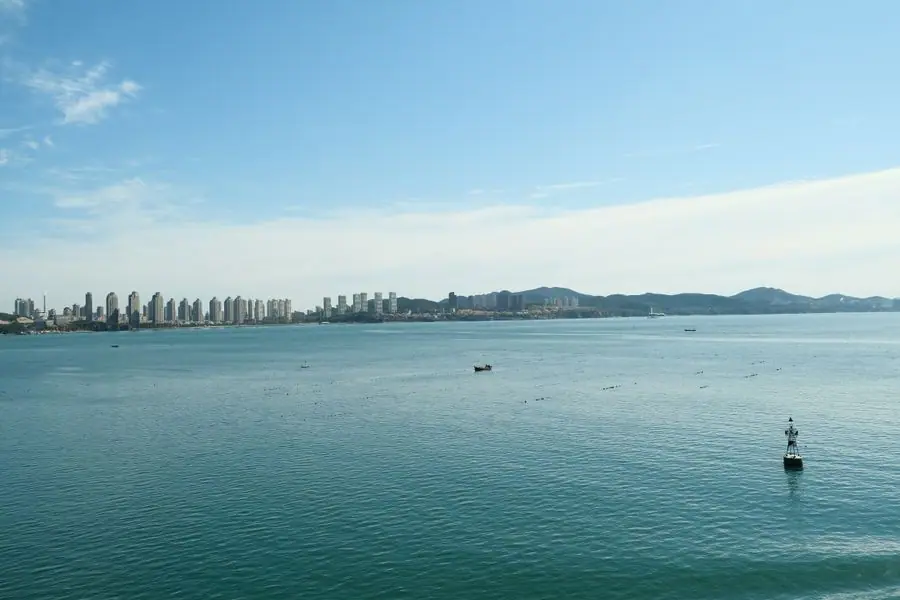
Dali Ancient City (north)
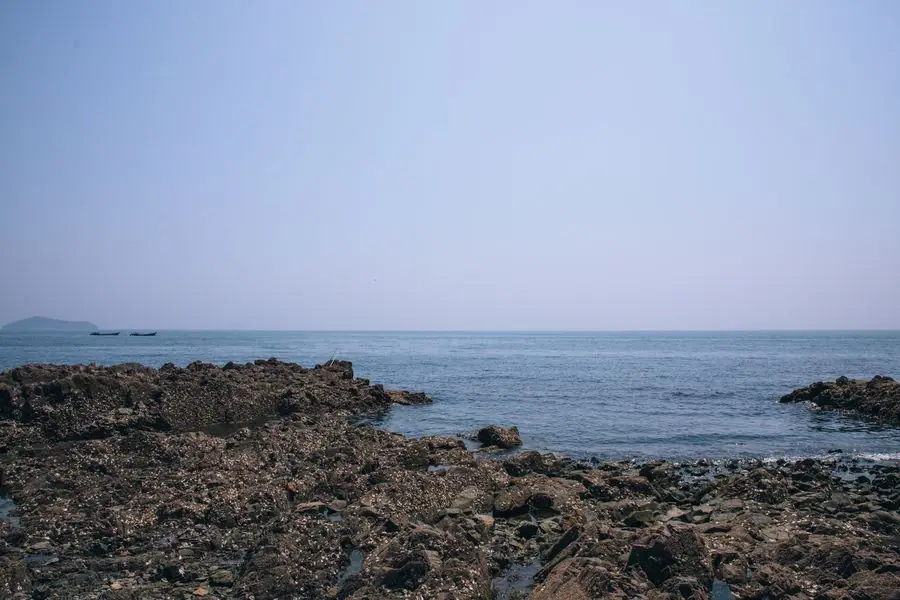
Cangshan Mountain
Cangshan Mountain 苍山
The 19-peaked range west of Dali, reached by cableway to ridges, waterfalls and the Cloud Bridge Path, with wide views over Erhai.
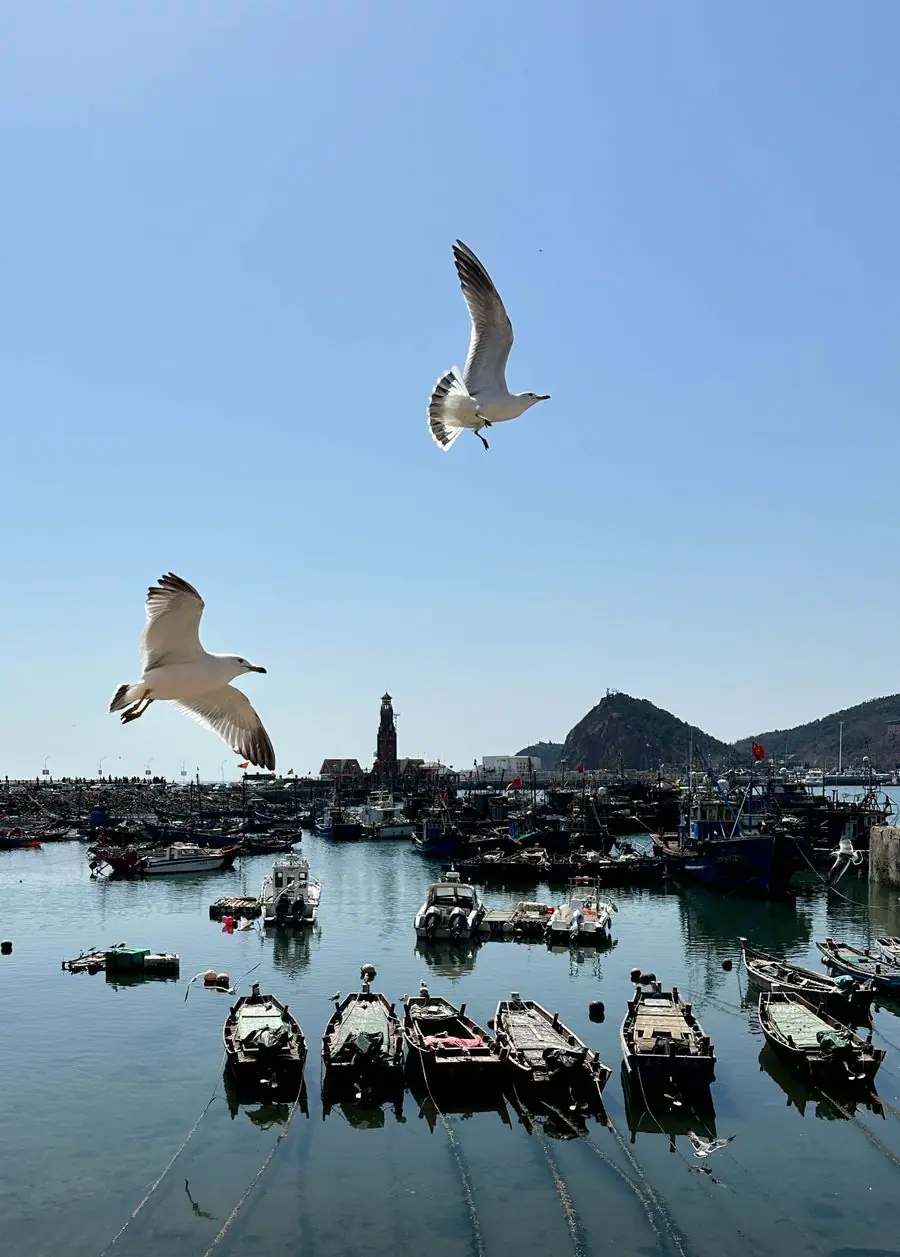
Gantong Temple 感通寺
One of Dali’s oldest temples at the foot of Cangshan, a quiet hillside complex tied to the Gantong cableway and mountain trails.
North shore

Xizhou Village 喜洲古镇
A Bai village north of the lake famous for intact courtyard architecture, rice fields and Xizhou baba; calm and photogenic versus the busy old town.

Zhoucheng Village 周城村
The largest Bai village and the tie-dye capital of Dali, where you can watch indigo cloth dyed and buy it straight from the workshop.
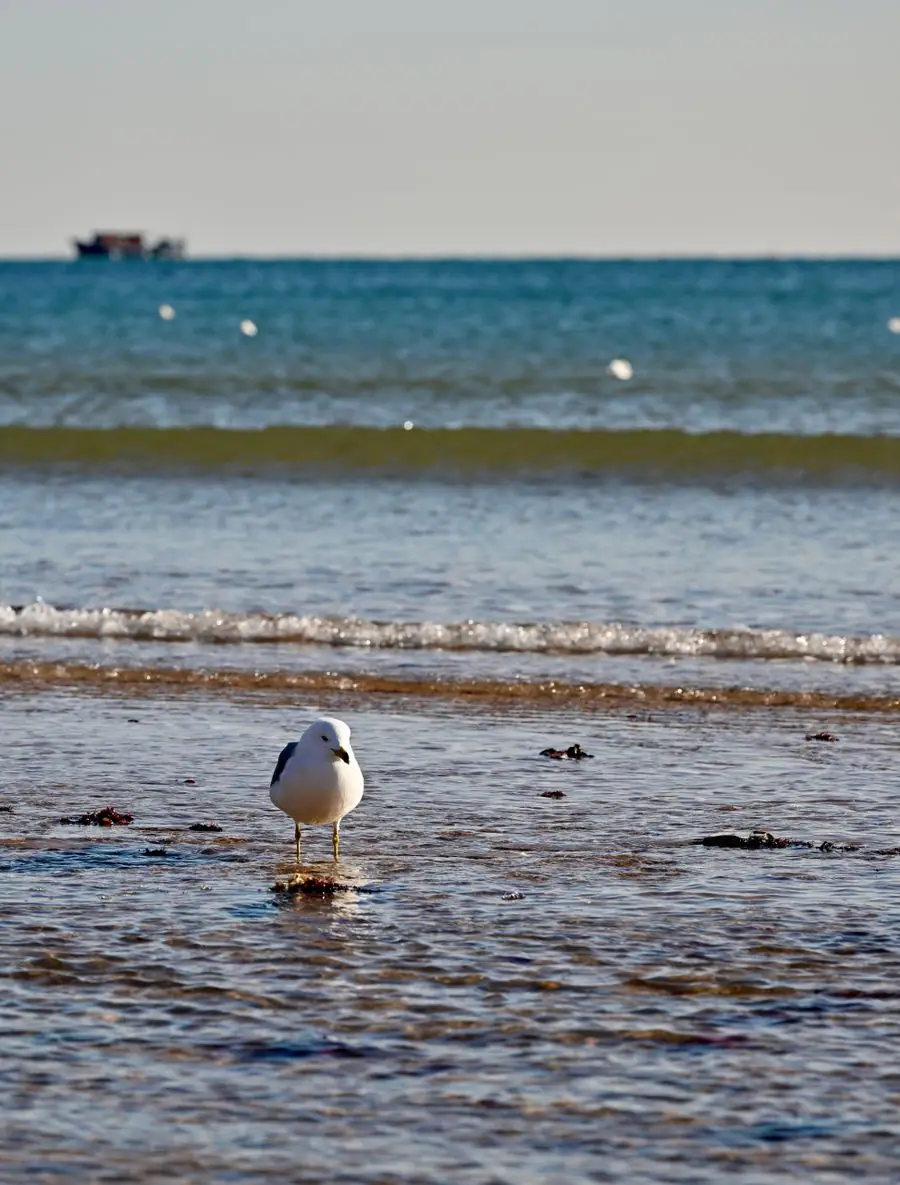
Haishe Eco Park 海舌生态公园
A narrow wooded peninsula reaching into Erhai near Xizhou, a calm spot for reflections, birdlife and a quiet lakeside walk.
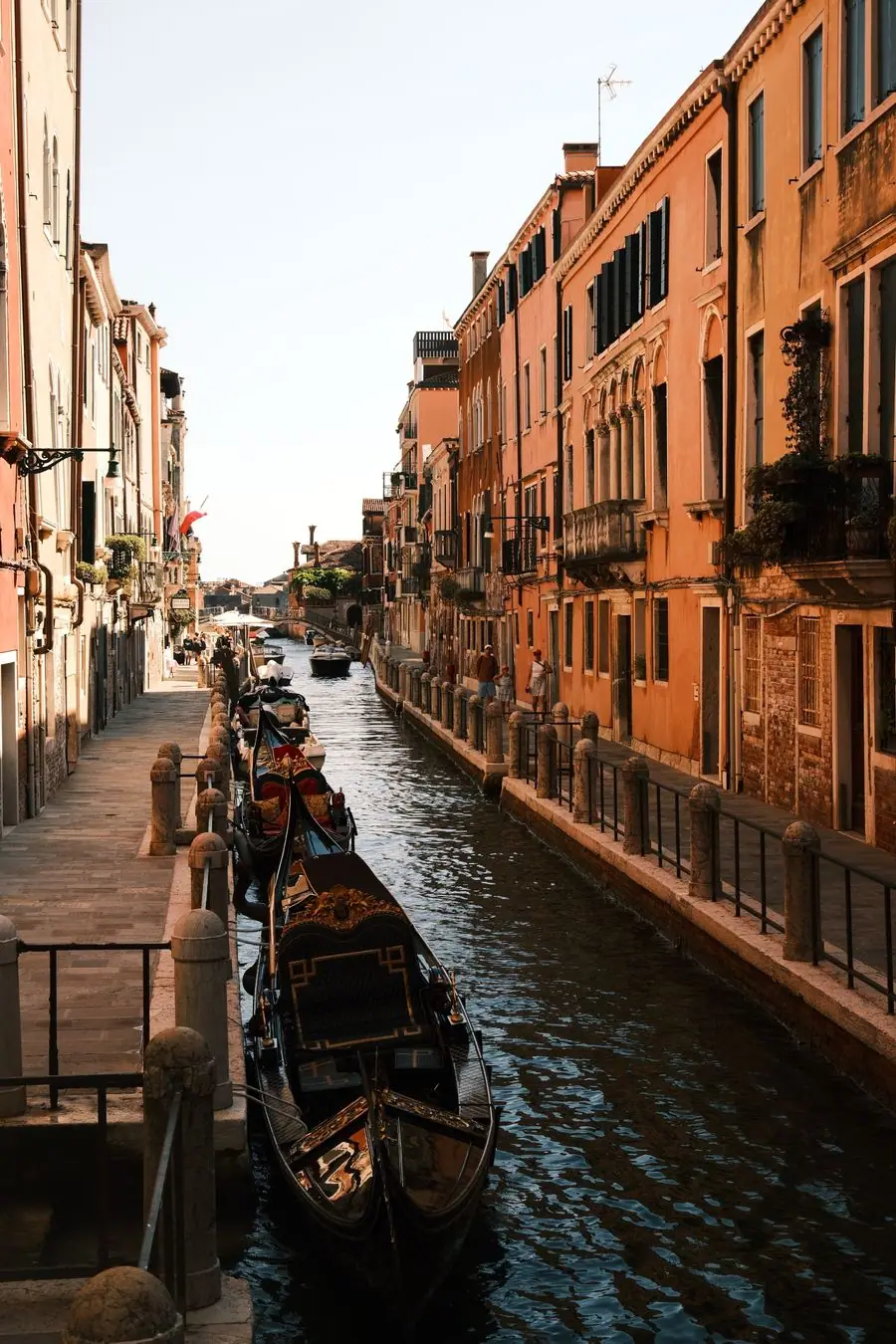
Butterfly Spring 蝴蝶泉
A spring and grove north of the lake famed for swarms of butterflies each late spring; a small park with a pool, a tree and a Bai legend.
South (Weishan)

Weishan Ancient Town 巍山古城
The birthplace of the Nanzhao Kingdom, a quiet Ming–Qing town 50 km south with intact walls, a long main street and few tourists.
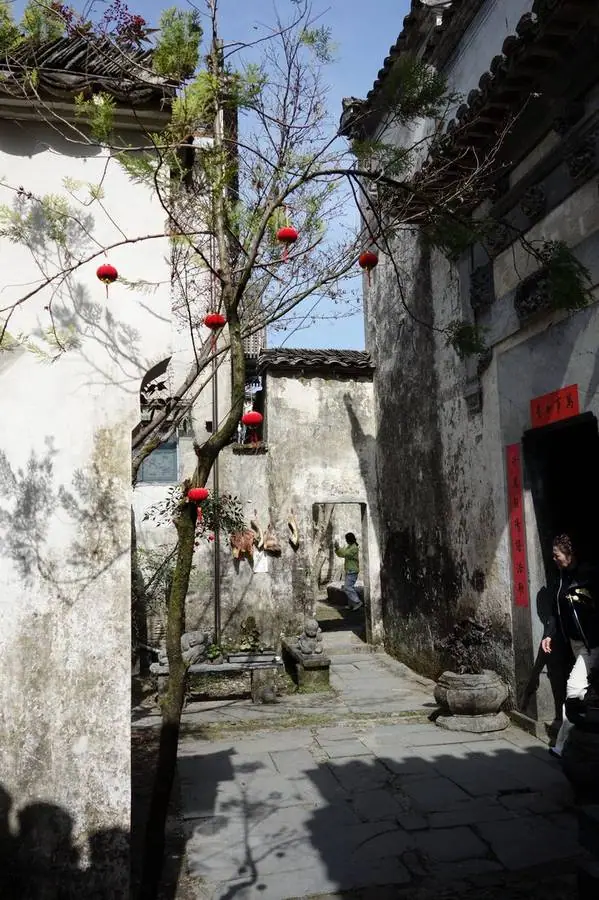
Donglianhua Village 东莲花村
A historic Hui (Muslim) village near Weishan, known for horse-caravan courtyards, Islamic towers and well-kept old architecture.
Where to stay in Dali
Rates are for a standard double room in 2026. Book through international platforms or Alipay; Shuanglang lakeside rooms and ancient-city courtyards cost more in peak season (spring and autumn). Confirm the USD price at booking, as rates swing on holidays.
Luxury
$90–220 / nightLakeside resorts in Shuanglang and boutique courtyard hotels in the ancient city, with Cangshan or Erhai views.
Upper mid-range
$50–90 / nightInternational-brand and design hotels near the ancient city and the lake, 10–20 min by taxi from the station.
Mid-range
$25–50 / nightChinese business hotels and renovated Bai courtyards, clean and central, a short walk inside or just outside the city wall.
Budget
$12–25 / nightFamily guesthouses and small inns inside the ancient city, basic but atmospheric and walkable to everything.
Hostels
$8–15 / nightSocial backpacker hostels around the south gate and the lake, dorms and privates for cyclists and long-stay travellers.
Souvenirs & local crafts
Easy to pack, easy to explain at customs — and far cheaper at a supermarket than at a scenic stall.
-
Bai Tie-Dye (Zaran)
Indigo tie-dye cloth and clothing made in Zhoucheng, the Bai tie-dye village; buy scarves, bags and wall hangings.
-
Dali Marble
Polished “Diancang” marble (Dali stone) with natural landscape veining, sold as slabs, ink stones and small carvings.
-
Rushan Snacks
Packaged Bai milk-fan cheese and flower-cured preserves — a light, local edible souvenir from the old town markets.
-
Pu’er & Dali Tea
Yunnan Pu’er cakes and the Bai three-course tea sets; buy loose-leaf from licensed shops near the south gate.
-
Bai Silver Jewelry
Hand-worked silver necklaces, hairpins and lock pendants from Bai silversmiths in the ancient city and Xizhou.
Getting around Dali
Dali is compact and walkable around the ancient city and the lake; high-speed rail links it to Kunming and Lijiang, and there is no metro — buses, taxis, DiDi and rented e-bikes fill the gap.
- High-speed rail
- Dali is on the high-speed rail line between Kunming (about 2–2.5 hours) and Lijiang (about 1.5–2 hours); most visitors arrive via Dali Railway Station.The Dali–Lijiang–Shangri-La line also runs north, and Dali Airport (DLU) has domestic flights from Kunming, Chengdu, Guangzhou and Shanghai.
- Long-distance bus
- Long-distance buses run from Dali Bus Station to Weishan, Binchuan (for Jizu Mountain), Shuanglang and other county towns; slower than the train but reaches places the rail does not.
- Metro & bus
- Dali has no metro or subway. The ancient city and the lake shore are reached by bus, taxi, e-bike or hired car.
- Taxis
- Taxis in the city start around $1.50 and are metered; they suit short hops between the station, the ancient city and Caicun Pier.
- Ride-hailing
- DiDi runs inside Alipay and WeChat with an English map and card payment — the easiest way to hail a car without Chinese cash.
- Shared bikes
- Shared bikes and e-bikes are everywhere; cycling the Erhai Lake loop (about 120 km) is the classic Dali experience, and e-bikes shorten it to a day.
- Intercity carpool
- Ride-pooling apps exist but are awkward for foreign visitors; for Jizu Mountain, Weishan and Shuanglang, hire a driver or join a tour instead.
Plan your 1, 2 or 3 days in Dali
Pick the length of your stay. Each plan is its own page, anchored at the city centre and written from real traveller itineraries — including splits for sightseeing, shopping, landscape, families and older travellers.
Dali in 1 Day
The ancient city, the Three Pagodas, an Erhai sunset and a Cangshan foothill temple.
Read the plan → 2-dayDali in 2 Days
Day one on the city and pagodas, day two Erhai cycling or a north-shore village run to Xizhou.
Read the plan → 3-dayDali in 3 Days
Add Cangshan cableway, Shuanglang or Weishan, and a Bai tie-dye workshop at Zhoucheng.
Read the plan →Frequently asked questions
- Do I need a visa for Dali?
- Dali is in Yunnan, China, so the same Chinese visa rules apply as the rest of the country; some travellers qualify for the 144-hour or 240-hour visa-free transit scheme through major hubs — check with a consulate before you fly.
- When is the best time to visit Dali?
- March to May and September to November have the clearest weather and the best mountain views. Avoid the May Day and National Day holidays if you dislike crowds; winter is cold, dry and cheap.
- How do I get to Dali?
- High-speed trains run from Kunming in about 2–2.5 hours and from Lijiang in about 1.5–2 hours to Dali Railway Station; Dali airport (DLU) also has domestic flights.
- Is Dali Ancient City free to enter?
- Yes, walking the walled old town is free; only specific courtyards and museums inside charge a small fee (about $1–3) — verify on site.
- Can I cycle around Erhai Lake?
- Yes — the Erhai loop is about 120 km and is the classic Dali ride; most visitors rent an e-bike and do a half or full loop, or take a section by bus and bike.
- Are there foreign-restriction issues at Dali sights?
- No site in Dali legally bars foreign passport holders. Booking for trains and some ticketed parks uses real-name (passport) registration, so carry your passport; this is friction, not a ban.
- How many days do I need in Dali?
- Two full days cover the ancient city, the Three Pagodas and one Erhai shore; three days let you add Cangshan, Xizhou and a village such as Shuanglang or Weishan.
Page last reviewed: 2026-11-02.