Chongzuo 2026: Detian Waterfall, Huashan Rock Art & the Zhuang Borderlands — a 1–3 Day Plan
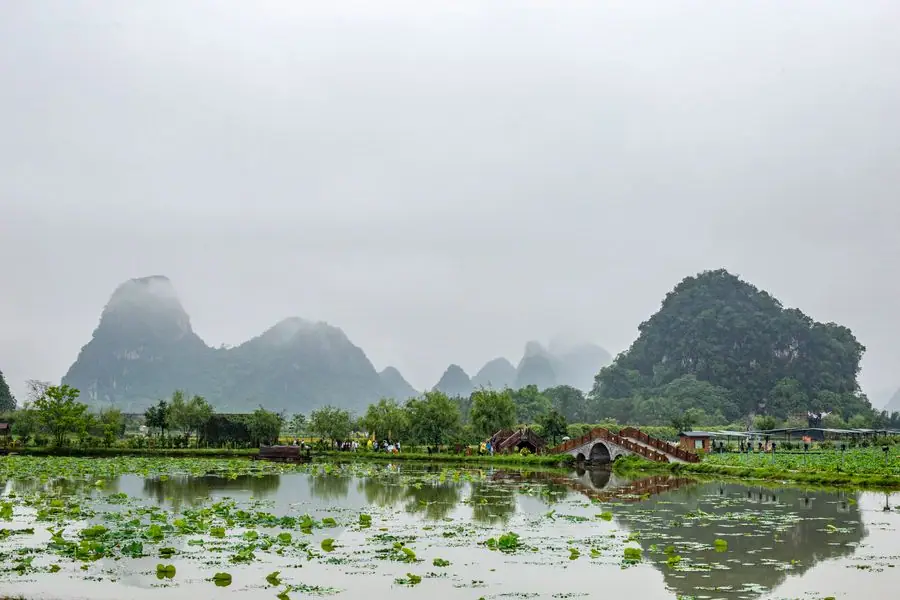
Chongzuo (Chongzuo Prefecture) is the Zhuang heartland of Guangxi on the Vietnam border — Detian Waterfall on the Guichun River, the UNESCO Huashan Rock Art of the Zuojiang cliffs, the karst pastoral country of Mingshi and the Friendship Pass on the road to Hanoi. No permits needed for foreign visitors; this is ordinary, open China. Below: the best time, the history, the food, where to stay, every major sight with its own guide, and 1/2/3-day plans.
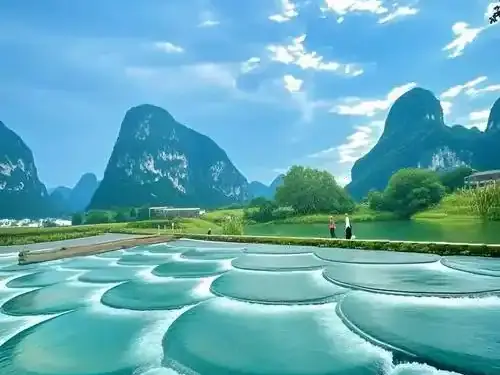
History & culture
Chongzuo is the core of the Zhuang homeland — the prefecture where China's largest minority, the Zhuang people (over 16 million), has lived since the Baiyue cultures of the first millennium BC. The Zuojiang and Ming rivers were the highways of this country, and the red ochre figures the Zhuang ancestors painted on their cliffs at Huashan — over 1,800 of them across dozens of sites — are the region's signature legacy, inscribed on the UNESCO World Heritage list in 2016 as the Zuojiang Huashan Rock Art Cultural Landscape.
The old names of this country are Siling and Longzhou — the two frontier jurisdictions that guarded the passes between China and Vietnam. Friendship Pass (Zhennan Guan) was one of the nine great passes of imperial China and the gate of the Sino-Vietnamese road: the French were fought here in 1885, Sun Yat-sen's Zhennanguan Uprising fired from it in 1907, and Ho Chi Minh's supply convoys passed through it in the 1950s–70s. Today it is a working border crossing into Vietnam.
Modern Chongzuo is a young prefecture city (established 2002) on the Zuojiang, rebuilt around Taiping Ancient City and the Zhuang culture of the surrounding counties — Ningming's rock art, Longzhou's red-history sites, Pingxiang's border trade and redwood markets, Daxin's waterfalls and karst. For travellers it is Guangxi without the tour buses: the same scenery as Guilin, at a fraction of the crowd.
Best time to visit Chongzuo
Chongzuo is subtropical northern Guangxi — hot, humid summers, mild winters and real rain from May to August. The karst scenery and the waterfalls are at their biggest in the wet season; the clearest, most comfortable travel is in autumn.
Budget for Chongzuo: hotels from $14 a night, average ticket $$10 — see the full cost breakdown, or start from a ready-made route.
Cuisine of Chongzuo
Signature dishes worth seeking out — prices are typical per-person or per-dish ranges, not fixed quotes.
-
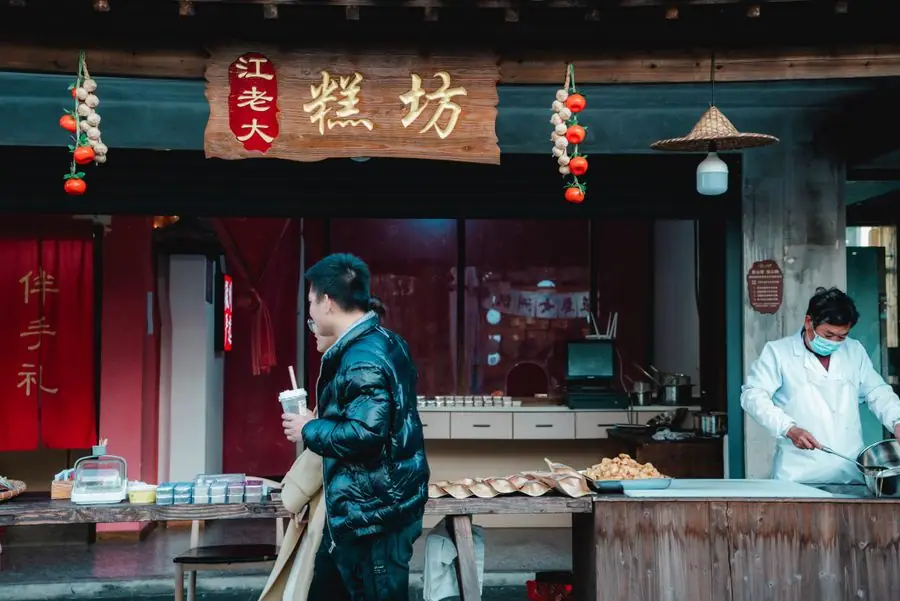
Five-colour glutinous rice (Wuse nuomi fan)
The Zhuang festival rice, coloured with leaf and flower dyes — black, red, yellow, purple and white — steamed in bamboo; the signature dish of every Zhuang celebration, and a Chongzuo breakfast staple.
-
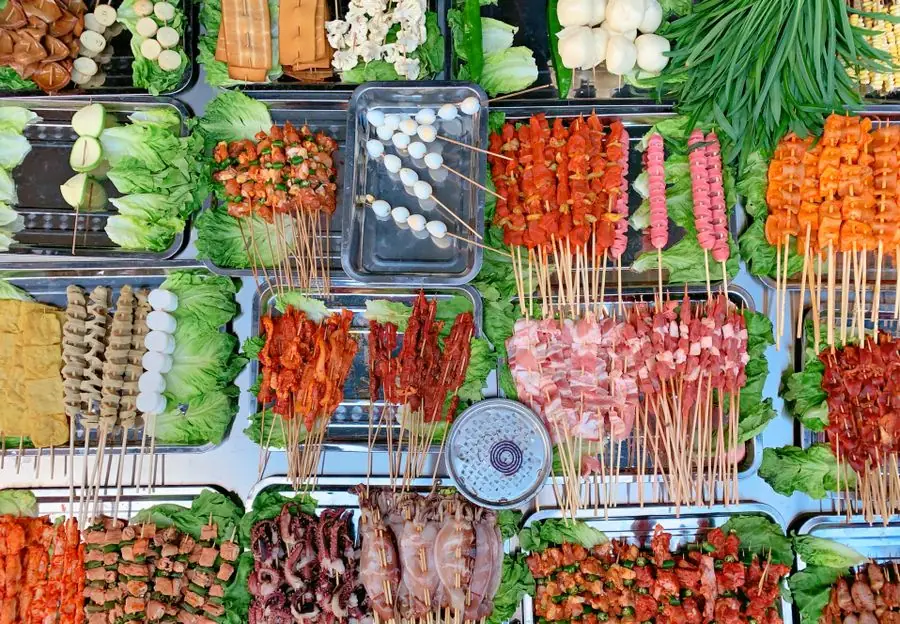
Zhuang sour porridge (Suanzhou)
The Chongzuo specialty — rice fermented into a tangy, soup-like porridge served with pickles and chilli; an acquired taste that locals swear aids digestion in the heat.
-
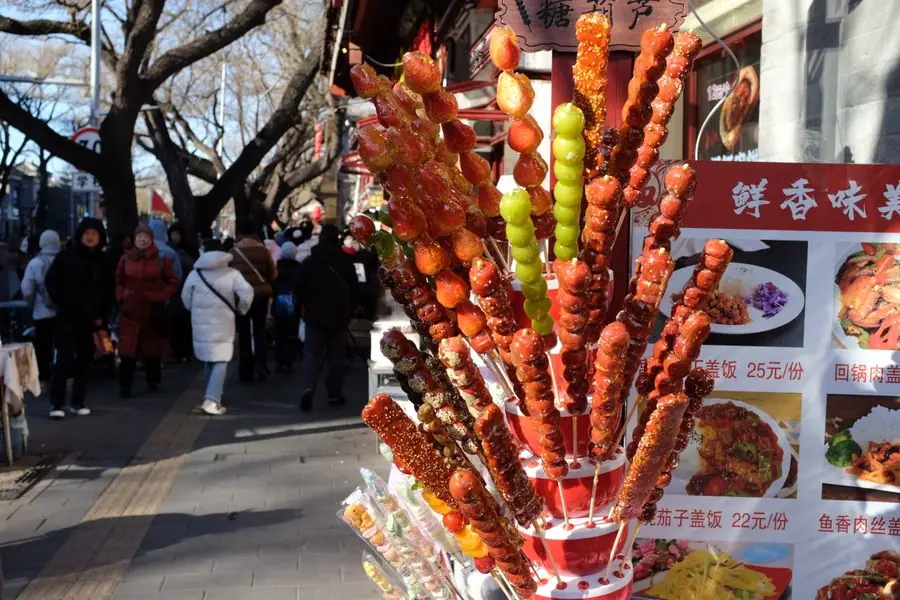
Roast suckling pig (Kaoruzhu)
The Zhuang feast dish — a whole suckling pig roasted over charcoal until the skin crackles, carved at the table for weddings and festivals.
-
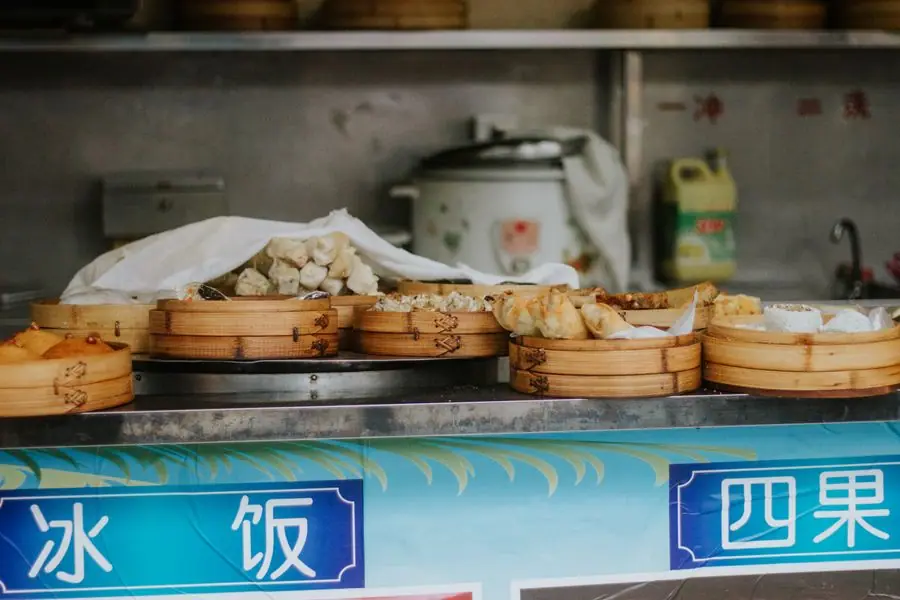
Bamboo-tube rice (Zhutong fan)
Glutinous rice and meat cooked inside a section of green bamboo over the fire — the mountain lunch of the Zhuang hills, fragrant and portable.
-
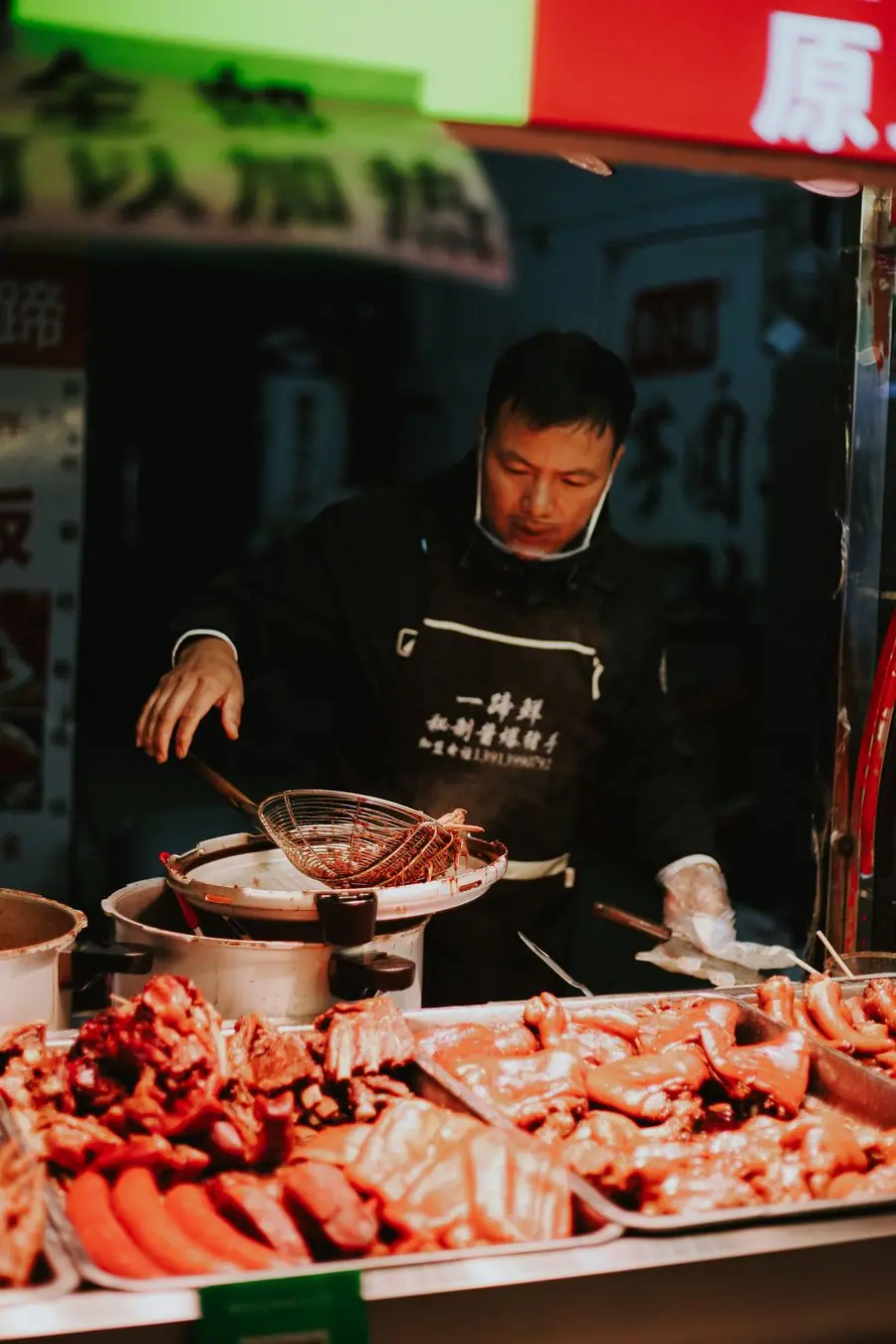
Guichun River fish (Guichun heyu)
Freshwater fish from the Guichun and Zuojiang rivers, steamed or in sour soup — the border-river catch that ends up on every Daxin table.
Every major sight — with its own guide
Right after the food above, here are the sights — each one links to its own full guide (what to see, how to get there, facilities and the best season). Names follow each sight's official English signage.
Daxin county, ~200 km SW of Chongzuo, on the Guichun River
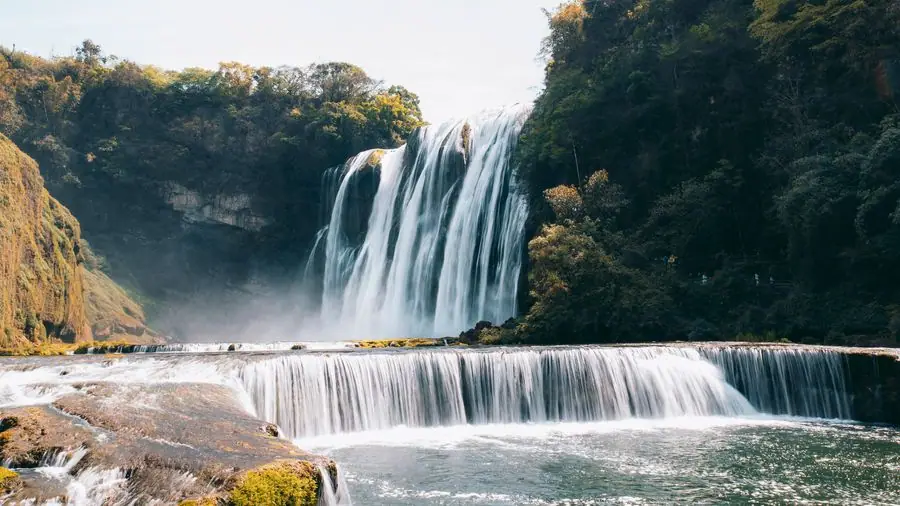
Daxin county, ~175 km SW of Chongzuo, near Detian
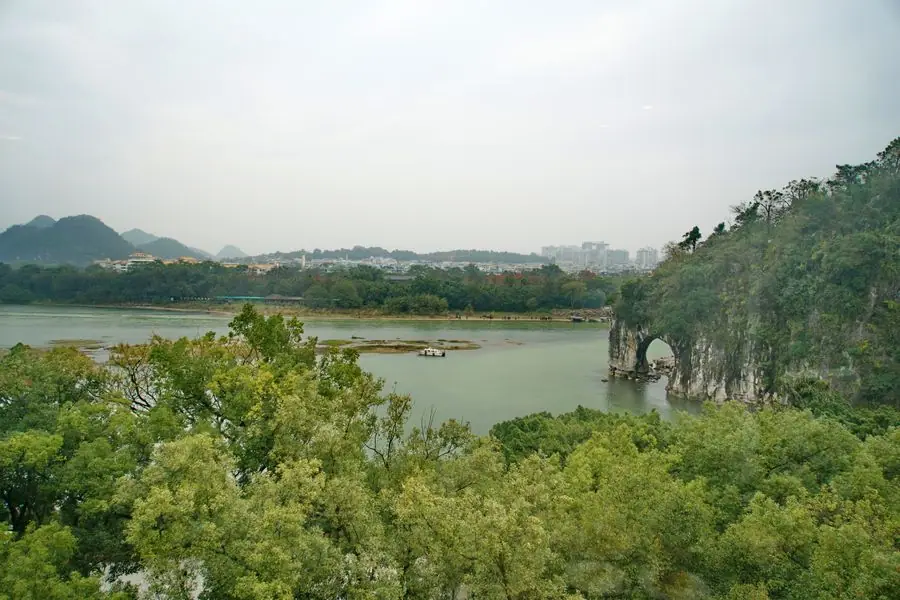
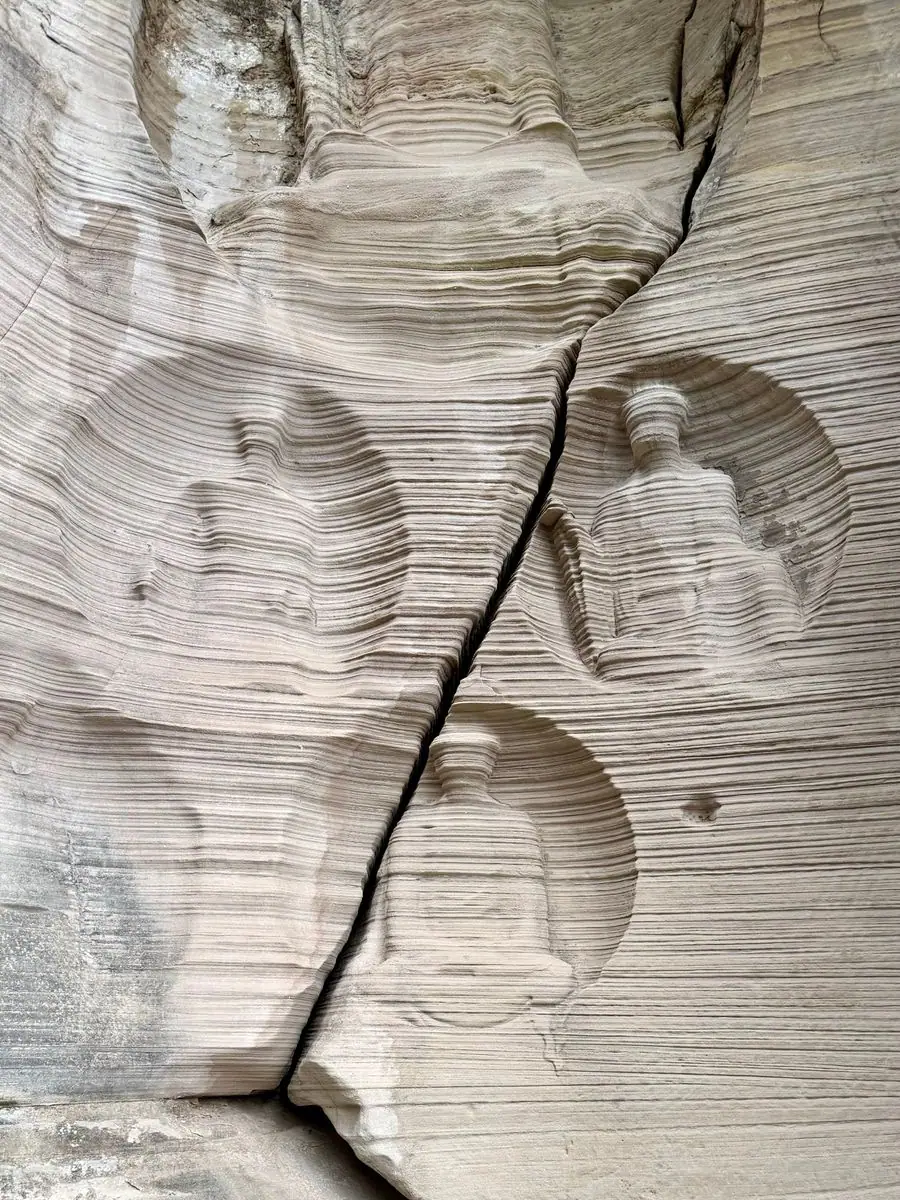
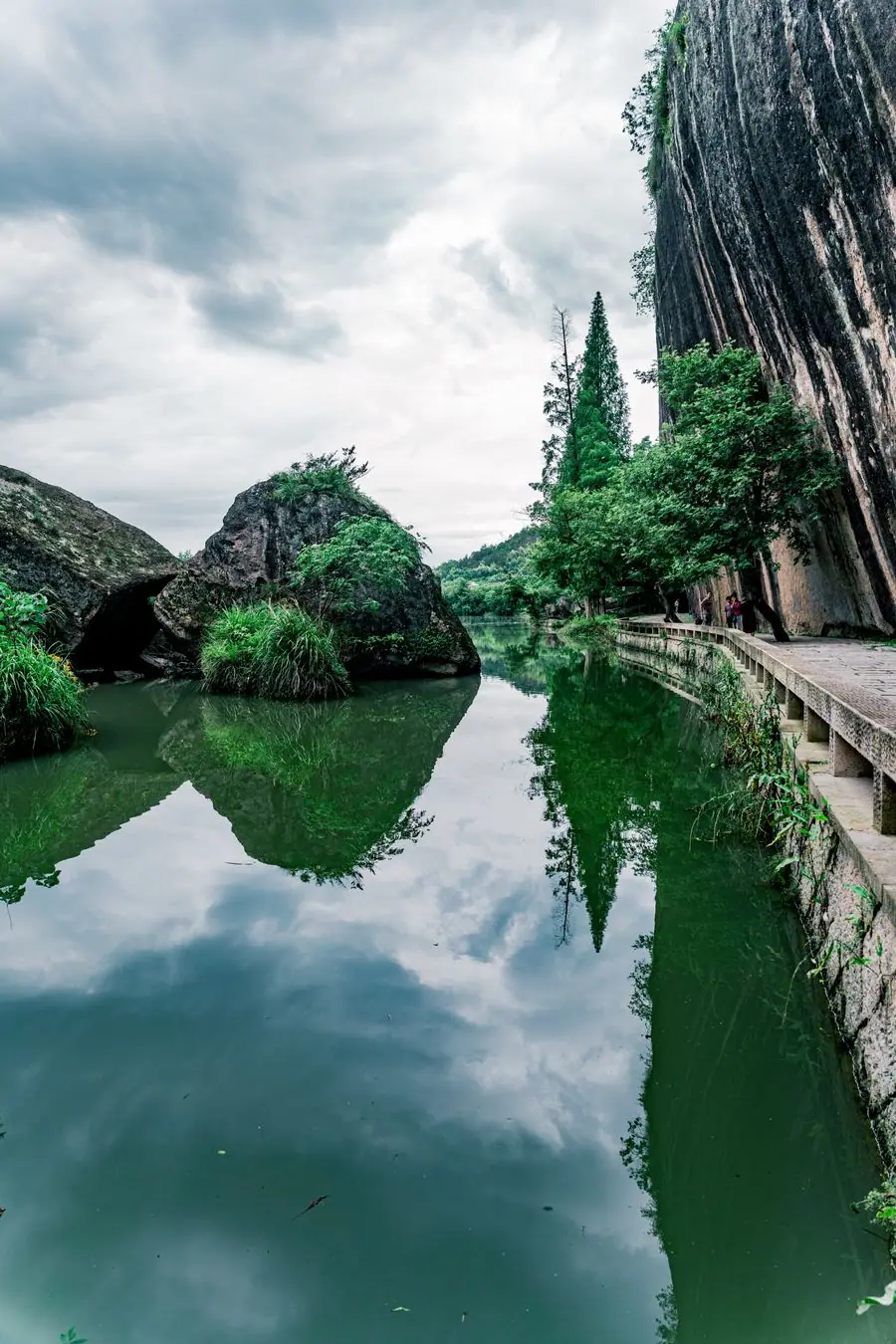
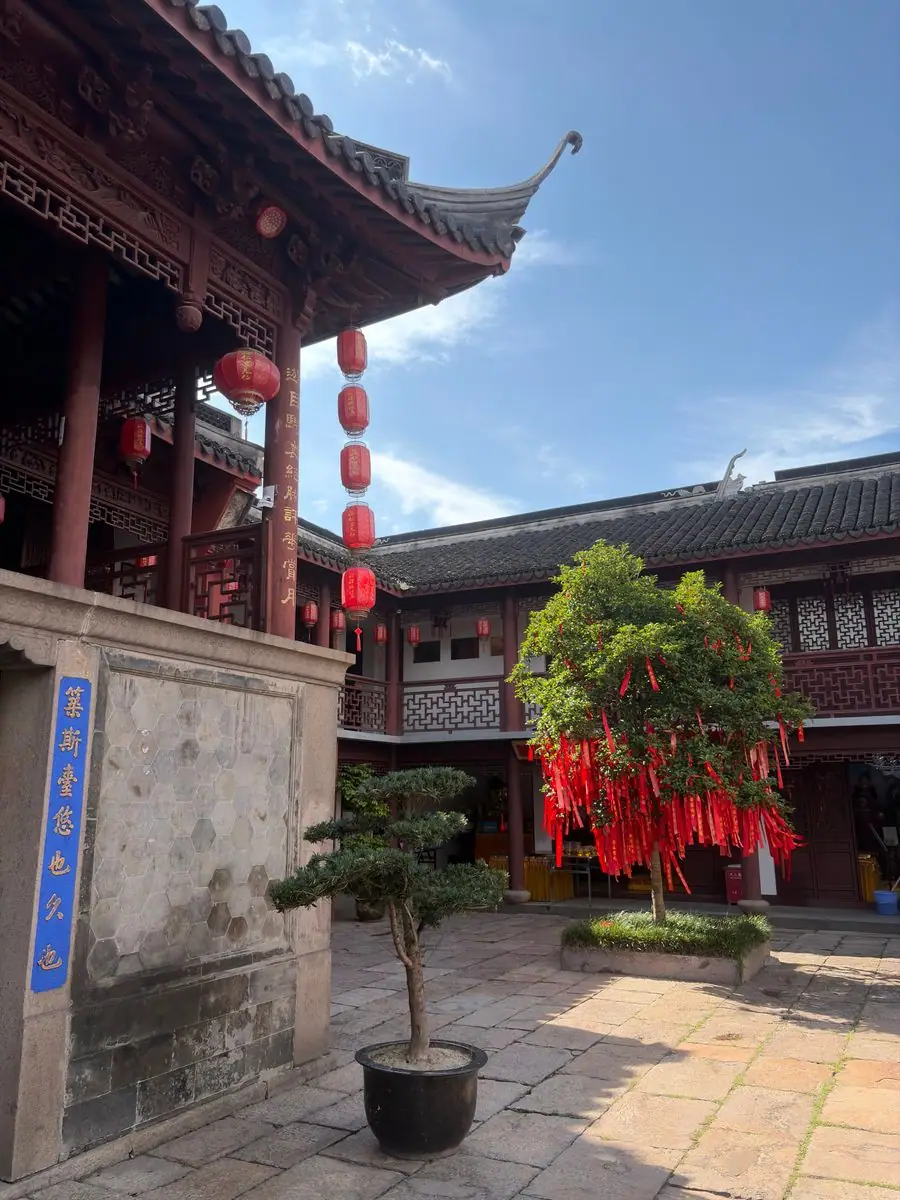
Taoping riverside, ~5 km from Chongzuo city centre, on a Zuojiang islet
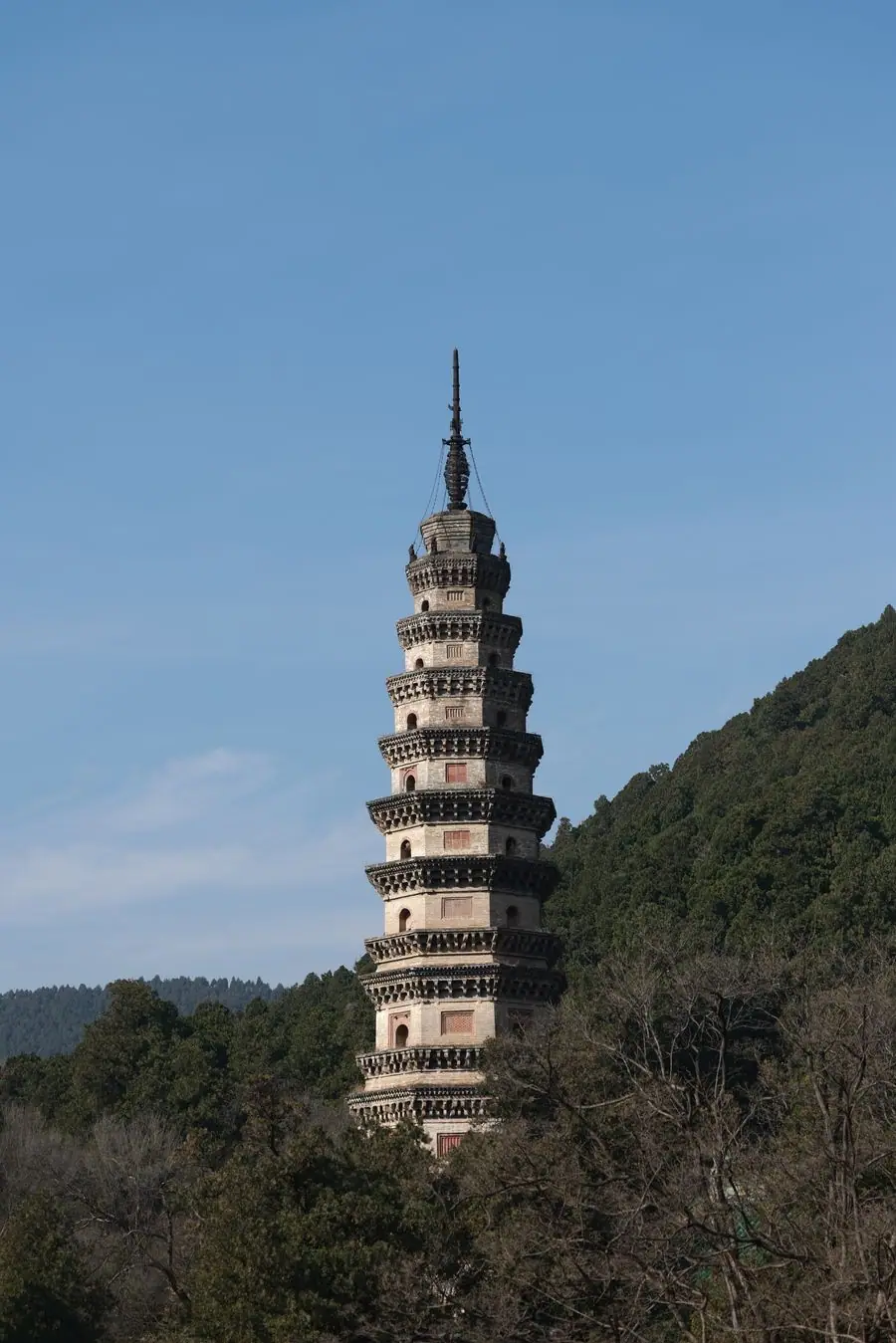
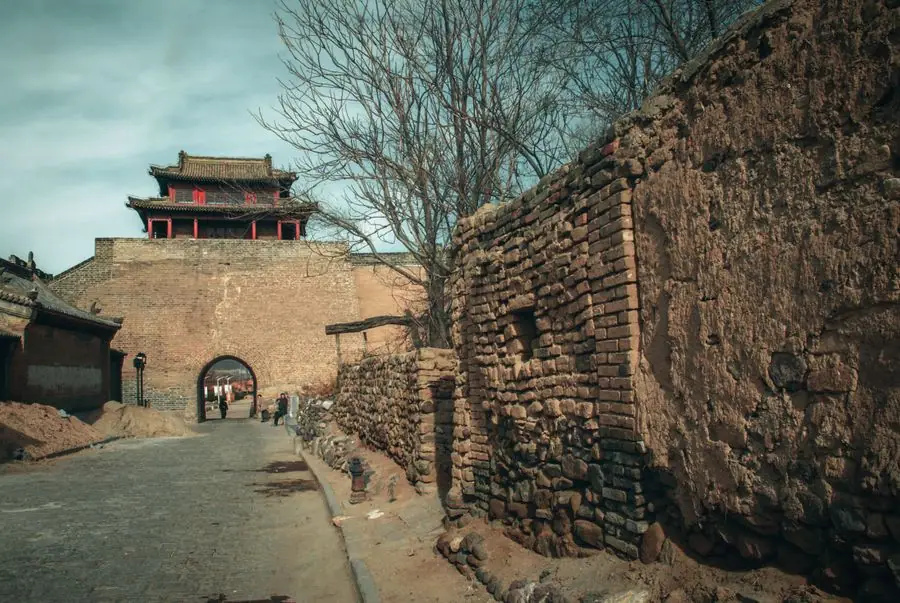
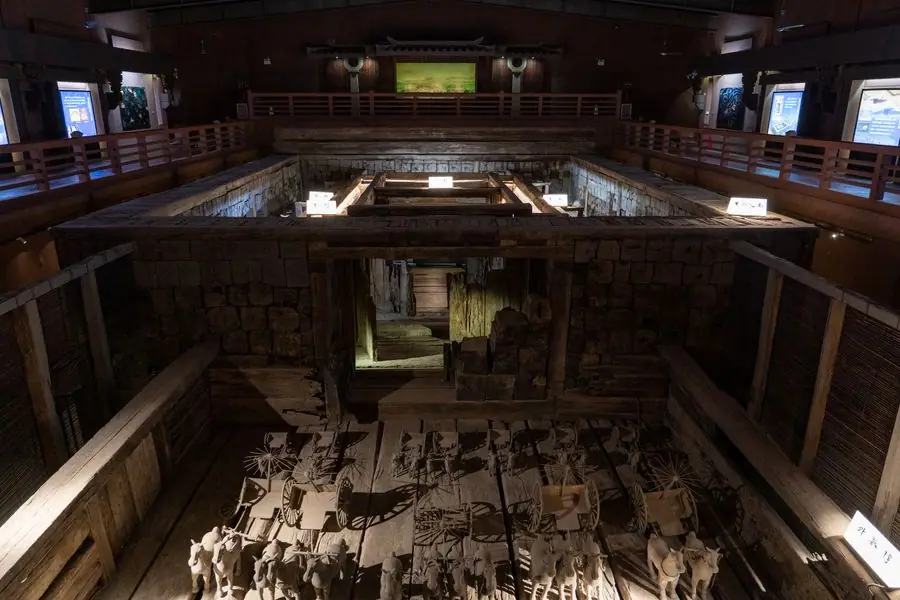
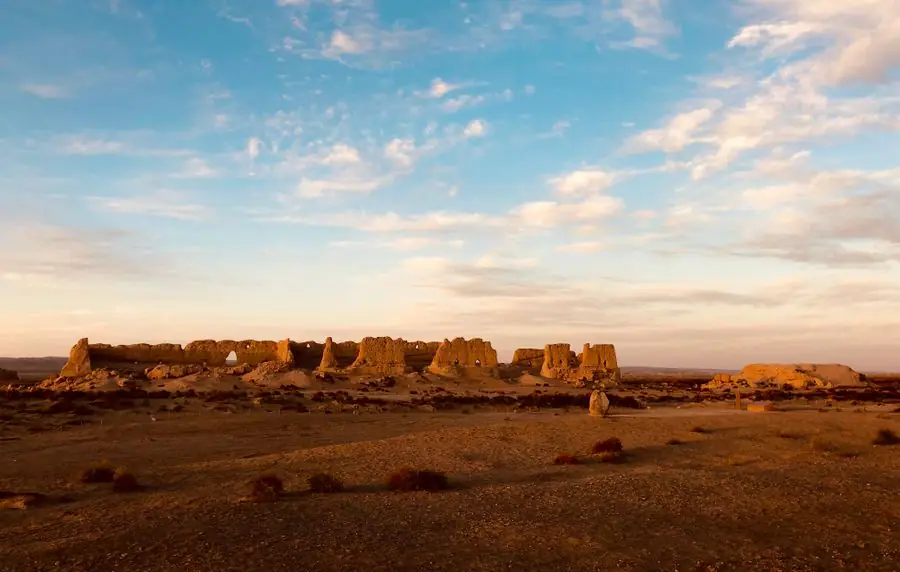
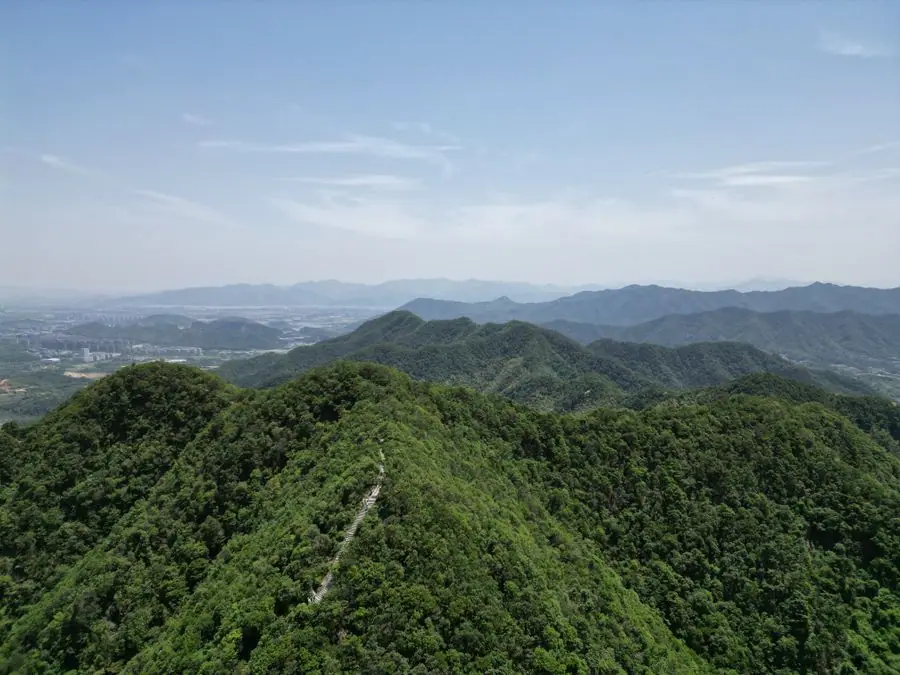
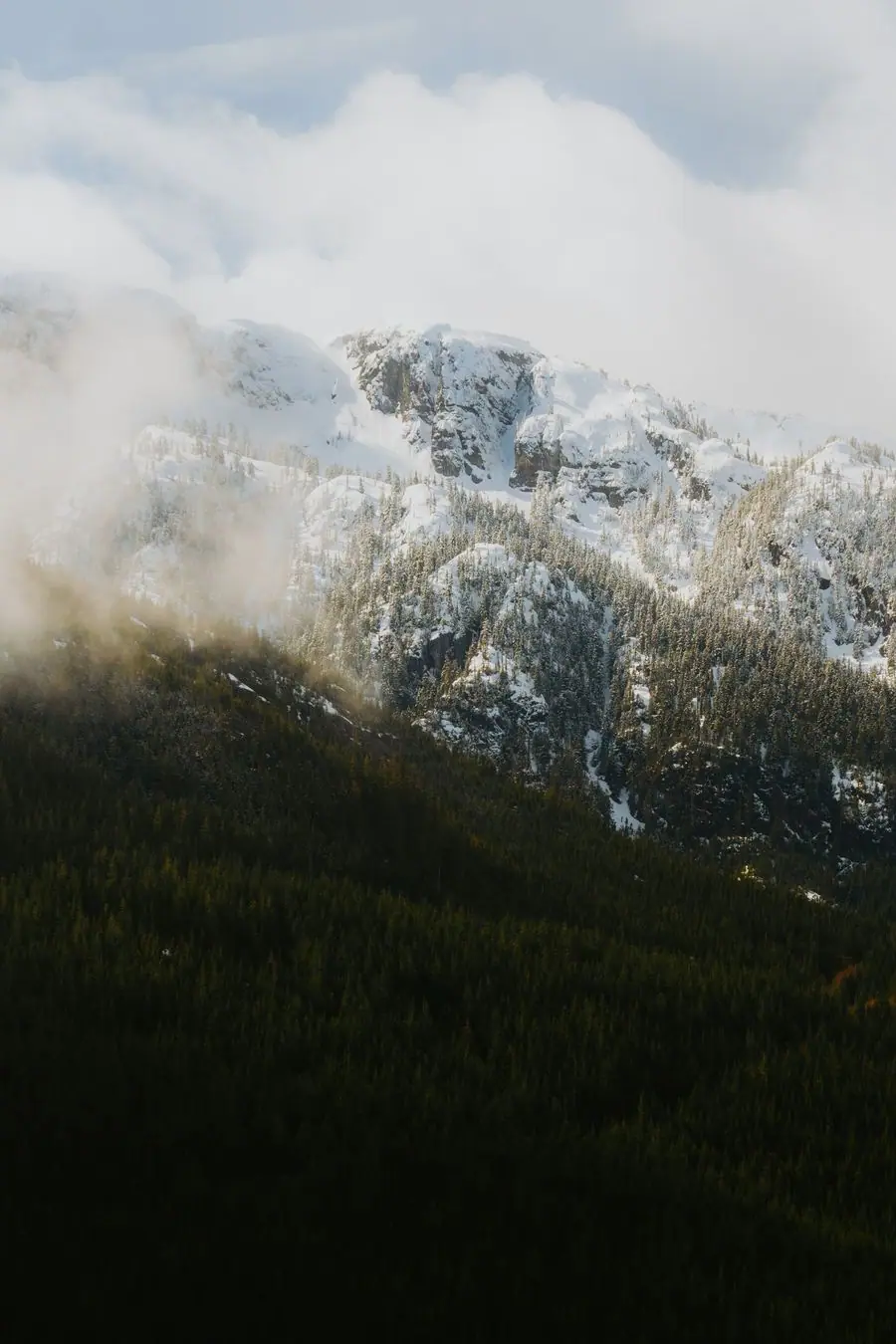
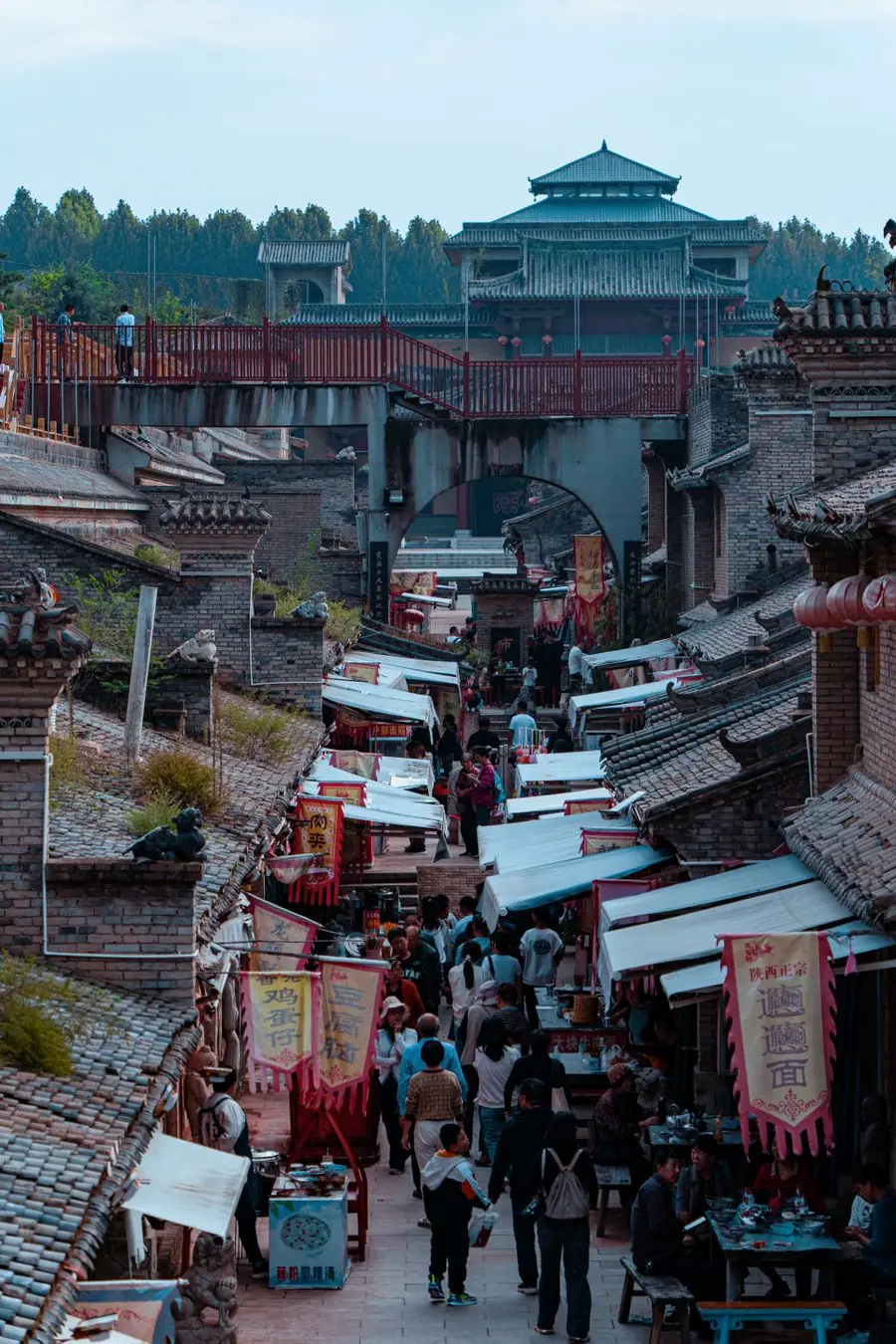
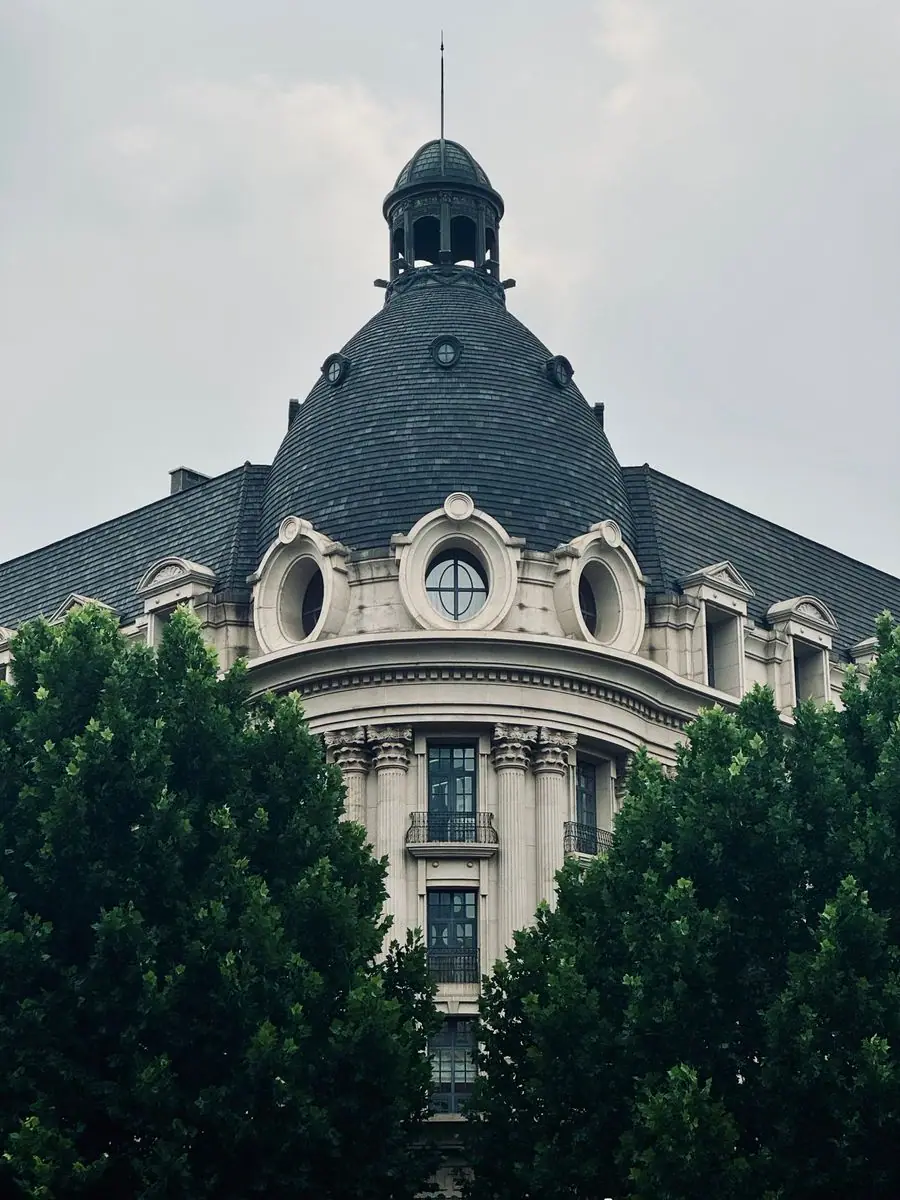
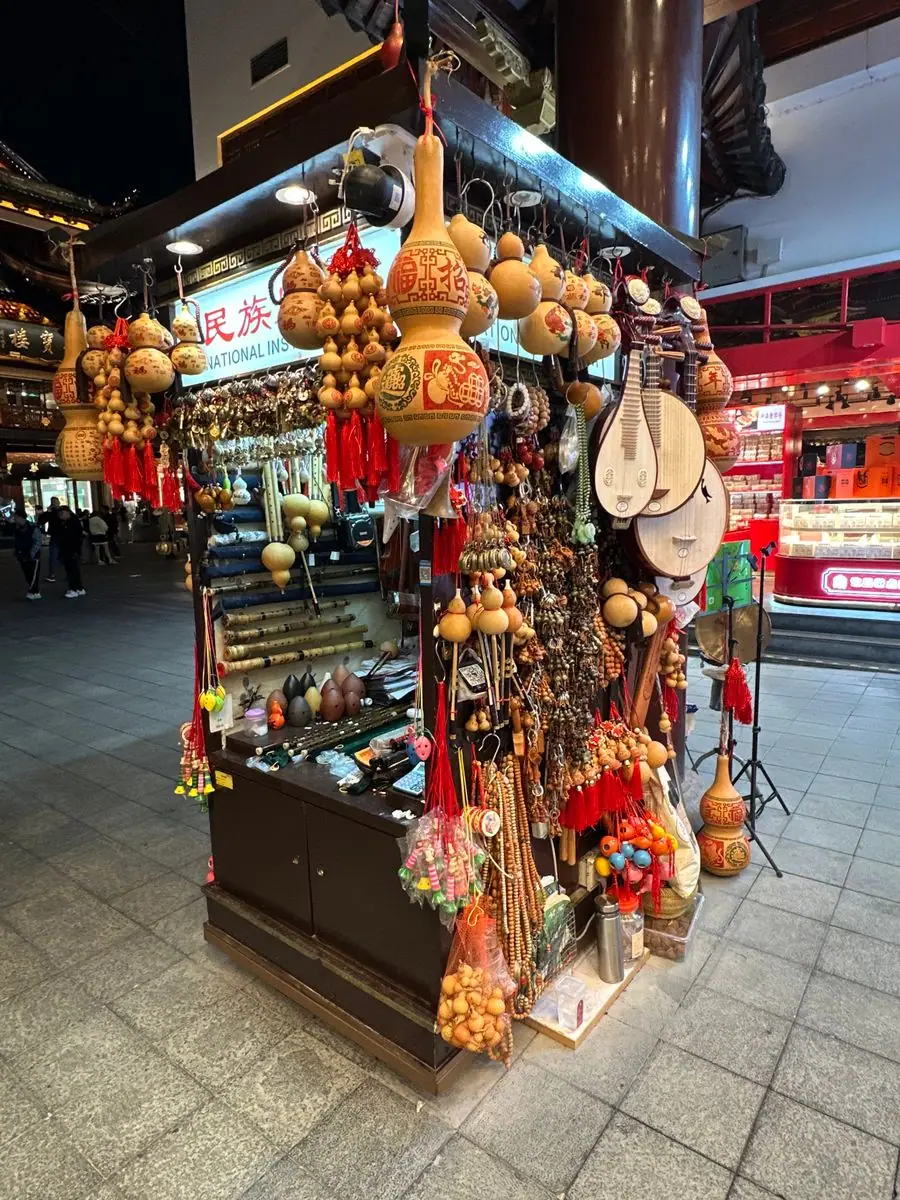
Taiping old town wharf, Chongzuo city, on the Zuojiang
Where to stay in Chongzuo
Stay in Chongzuo city (Jiangzhou district) for the first night — it is the transport hub with the full range of hotels — and one night in Daxin county town or at Mingshi to catch the Detian and Mingshi countryside at dawn. Pingxiang is a practical stop on the Friendship Pass road. Border-county hotels are simple; book ahead in national holidays.
Budget
$14–28 / nightChain hotels and guesthouses in Chongzuo city, Daxin and Pingxiang; simple, clean rooms — foreign-passport registration is routine.
Mid-range
$35–70 / nightThe better city hotels near Taiping Ancient City and the Mingshi countryside inns — the sweet spot for this prefecture.
Splurge
$85–170 / nightThe top international-brand hotels in Chongzuo city with river views; book ahead on national holidays.
Souvenirs & local crafts
Easy to pack, easy to explain at customs — and far cheaper at a supermarket than at a scenic stall.
-

Zhuang brocade (Zhuangjin)
The hand-woven brocade of the Zhuang — geometric, indigo-and-red, still woven on village looms; bags, wall-hangings and belts are the packable classic.
-
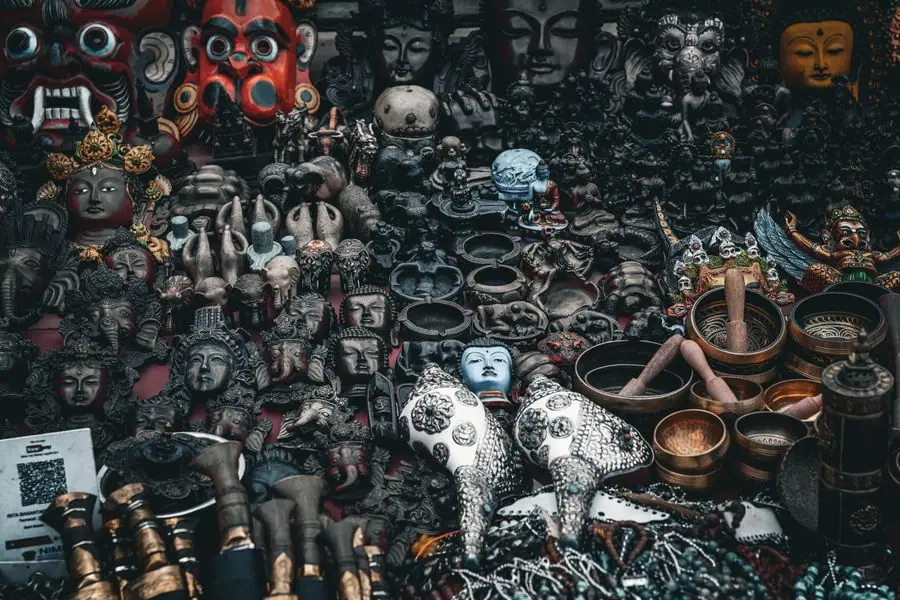
Tianqin instrument (Tianqin)
The Zhuang two-stringed spike fiddle, carved and painted, sold from small workshops in the prefecture — a genuine folk instrument, not a factory trinket.
-
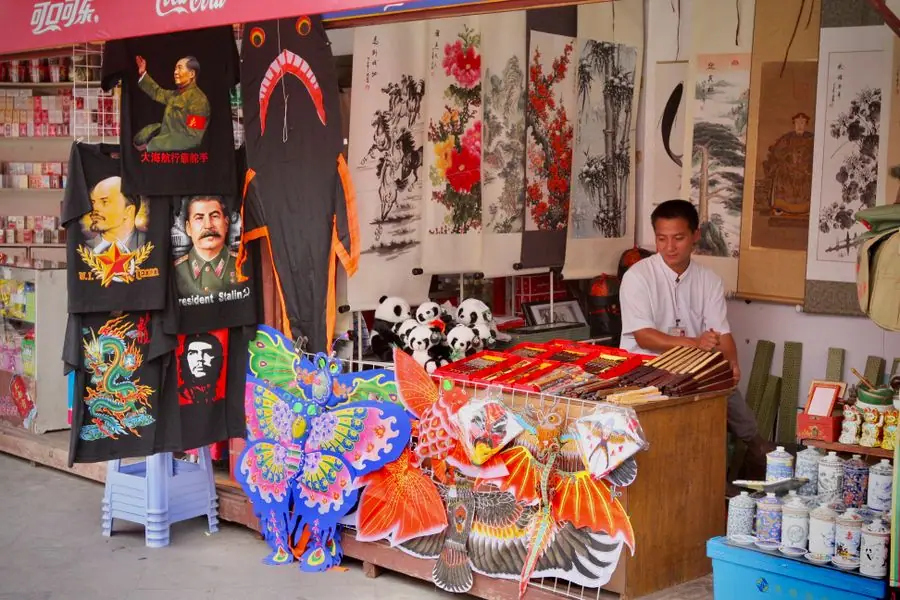
Bronze drum replicas (Tonggu)
Guangxi is the homeland of the ancient bronze drum culture; small replicas and drum-motif crafts are sold across Chongzuo as the region's emblem.
-
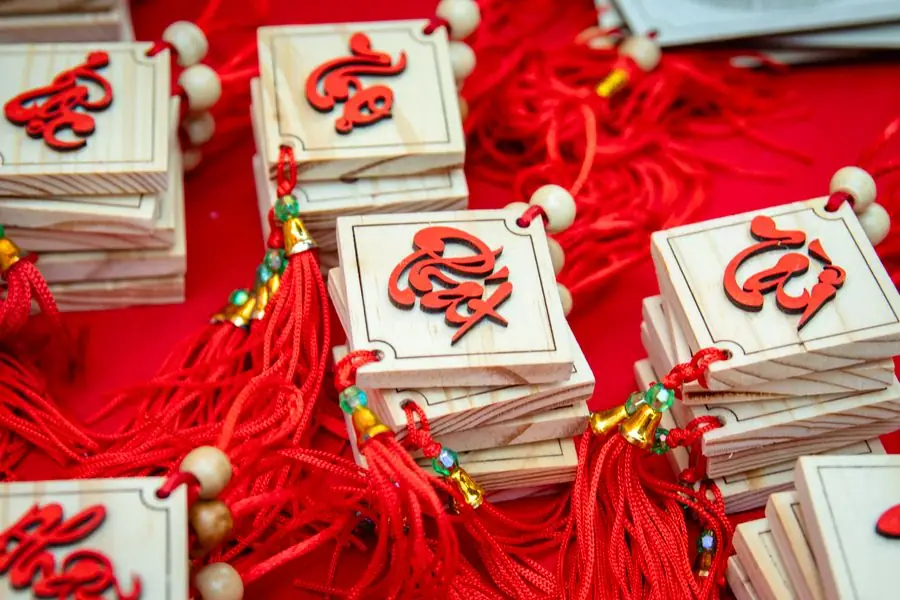
Redwood crafts (Hongmu xiaojian)
Pingxiang is China's redwood-furniture hub on the Vietnam timber road — small carved pieces, beads and boxes from the workshops are the border souvenir.
-
Vietnamese coffee (Yuenan kafei)
Real Vietnamese coffee and drip filters from the Friendship Pass border trade — cheap, strong and the easiest thing to carry home.
Getting around Chongzuo
Nanning Wuxu International Airport (NNG) is the gateway (~1.5–2 h by road); Chongzuo has no airport of its own. By rail, the Nanning–Chongzuo intercity line reaches Chongzuo South station from Nanning in about 1 h; the old Hunan–Guangxi mainline still runs local trains through Pingxiang on the Vietnam border.
- High-speed rail
- The Nanning–Chongzuo intercity railway links Chongzuo South station with Nanning in about 1 h; from Nanning the Guangzhou–Nanning HSR connects to the national network in about 3–4 h to Guangzhou.
- Long-distance bus
- Nanning's tourist bus stations run frequent buses to Chongzuo (~2 h) and on to Pingxiang, Longzhou and Daxin; within the prefecture, county buses link the towns but the scenic areas need local shuttles, taxis or a booked car.
- Metro & bus
- None — Chongzuo is a compact city explored on foot or by taxi.
- Taxis
- Taxis and DiDi are cheap in Chongzuo city, Daxin and Pingxiang; agree the meter runs or use the app.
- Ride-hailing
- DiDi works in the towns; for the scattered scenic areas a booked car is the practical choice.
- Shared bikes
- Fine for the flat city and the Taiping old town; not for the mountain sights.
- Intercity carpool
- Shared vans run Chongzuo–Daxin and Chongzuo–Pingxiang; the scenic areas run their own shuttles.
Plan your 1, 2 or 3 days in Chongzuo
Pick the length of your stay. Each plan is its own page, anchored at the city centre and written from real traveller itineraries — including splits for sightseeing, shopping, landscape, families and older travellers.
Chongzuo in one day: Detian Waterfall & Mingshi
The headline day: drive out to the Detian transnational waterfall on the Guichun River, then the karst pastoral country of Mingshi on the way back.
Read the plan → 2-dayChongzuo in two days: + Huashan Rock Art & the Zuojiang
Day two runs the Zuojiang and Ming rivers to the UNESCO Huashan Rock Art cliffs, with the city's old town and Leaning Pagoda in the evening.
Read the plan → 3-dayChongzuo in three days: + Friendship Pass & the border
Give the third day to the border road: the Puzhai trade market, Friendship Pass itself, and the Longzhou red-history sites.
Read the plan →Frequently asked questions
- When is the best time to visit Chongzuo?
- October–March — warm, dry-ish and comfortable, with the waterfalls still strong. July–September is hot, humid and the rainiest; April–June is green with showers. National holiday weeks (May 1–5, Oct 1–7) bring heavy domestic crowds to Detian.
- Do I need any special permit for Chongzuo as a foreign visitor?
- No. Chongzuo is an ordinary open part of Guangxi — no Tibet-style permit, no border-zone permission for the Friendship Pass tourist area. Carry your passport for hotel registration and for the border viewpoints. Confirm current visa rules with a consulate before booking.
- How do I get to Detian Waterfall?
- It is about 200 km (3 h) from Chongzuo via Daxin county town; buses run Chongzuo–Daxin and local shuttles continue to the falls, but a booked car is the practical way to pair Detian with Mingshi in one day. From Nanning it is about 3.5 h by road.
- How much do the sights cost?
- Detian is about $16 (RMB 115) with the park shuttle and the raft is extra; Huashan Rock Art about $14–16 (RMB 100–115) including the river shuttle; Mingshi is largely open countryside with boat trips around $14–21 (RMB 100–150); Friendship Pass about $6 (RMB 42); Xiaoliancheng about $4–6 (RMB 30–42); the Longzhou memorial, Taiping Ancient City and Chongzuo Museum are free. Verify on site.
- How many days do I need in Chongzuo?
- Two days covers Detian–Mingshi and the Huashan Rock Art; three adds the Friendship Pass border road and the Zuojiang old-town evening. It pairs easily with Nanning (2 h) or a Guilin–Yangshuo loop.
- Is Chongzuo the same karst scenery as Guilin?
- The same family of scenery — limestone peaks, river valleys and rice fields — with far fewer visitors. Mingshi is the classic Guilin-style pastoral country, the Black Water River is the 'little Li River' of the border hills, and Detian adds Asia's largest transnational waterfall.
Page last reviewed: 2026-11-02.