Chengde 2026: Mountain Resort, the Eight Outer Temples & Jinshanling Great Wall on a 1–3 Day Plan
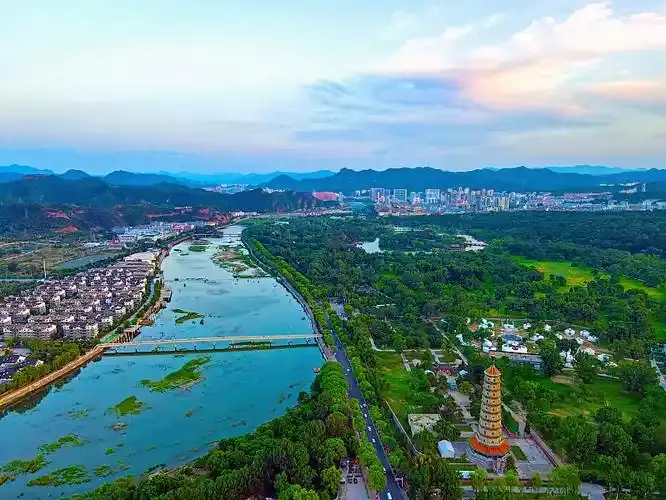
Chengde is the Qing emperors’ summer capital — a vast walled Mountain Resort of lakes, palaces and wooded hills, ringed by the Eight Outer Temples, Tibetan- and Mongolian-style monuments built to receive the empire’s frontier leaders. It is about 220 km northeast of Beijing by high-speed rail, cool in summer and calm in winter. Plan the combined tickets and a day for the Great Wall at Jinshanling and the city is straightforward.
History & culture
Chengde began in 1703 as a hunting lodge for the Kangxi Emperor, who wanted a cool retreat north of Beijing where he could also meet the leaders of the empire’s Mongolian and Tibetan frontiers. Over the next 90 years the Qianlong Emperor expanded it into a second imperial capital, with a walled resort of lakes, palaces and imitation landscapes.
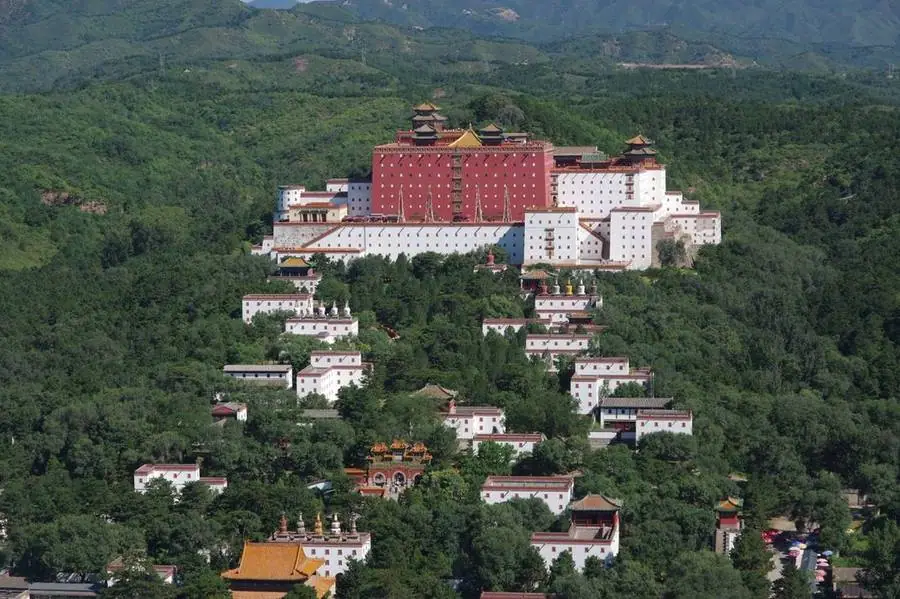
Around the resort the court built the Eight Outer Temples (外八庙), a ring of Buddhist monuments in Tibetan, Mongolian and Han Chinese styles. Several were copied from famous sites — Putuo Zongcheng Temple from Lhasa’s Potala, Xumi Fushou from Shigatse’s Tashilhunpo — as a way to honour and bind the empire’s border peoples under Qing rule.
In 1994 the Mountain Resort and the Eight Outer Temples were named a UNESCO World Heritage Site, recognised as the most complete surviving example of imperial garden design in China. Today the resort and the temples are Chengde’s core draw, with the Jinshanling section of the Great Wall a celebrated day trip to the southwest.
Best time to visit Chengde
Chengde sits in the mountains north of Beijing, so it stays cooler than the capital in summer — that is exactly why the Qing court built the resort here. Spring and autumn give the clearest light and the most comfortable walking.
Budget for Chengde: hotels from $10 a night, average ticket $$7.93 — see the full cost breakdown, or start from a ready-made route.
Cuisine of Chengde
Signature dishes worth seeking out — prices are typical per-person or per-dish ranges, not fixed quotes.
-
Chengde Huoshao (fire-baked cake)
A crisp, layered wheat cake grilled over charcoal, sold warm from street stalls — the everyday Chengde snack, plain or stuffed.
-
Mongolian Hotpot
A legacy of the northern frontier: thin lamb slices boiled at the table in a clear broth, mild and warming in the cool months.
-
Roast Lamb (Kao Yangrou)
Whole or cubed lamb roasted with cumin and chilli, a grassland dish brought south by the Mongol and Manchu courts.
-
Buckwheat Noodles (Qiaomian)
Chengde’s highland staple — nutty buckwheat noodles in a savoury broth, a cheap, filling local lunch.
-
Dairy Snacks (Naipi, Ru Pi)
Mongolian-style dried milk skins and curds, sweet and chewy, sold in the old lanes near the resort.
-
Wild Mushroom Stew
Cool-climate fungi from the surrounding hills, simmered with chicken or pork — a seasonal mountain treat in late summer.
Every major sight — with its own guide
Right after the food above, here are the sights — each one links to its own full guide (what to see, how to get there, facilities and the best season). Names follow each sight's official English signage.
Chengde Mountain Resort
Eight Outer Temples (north)
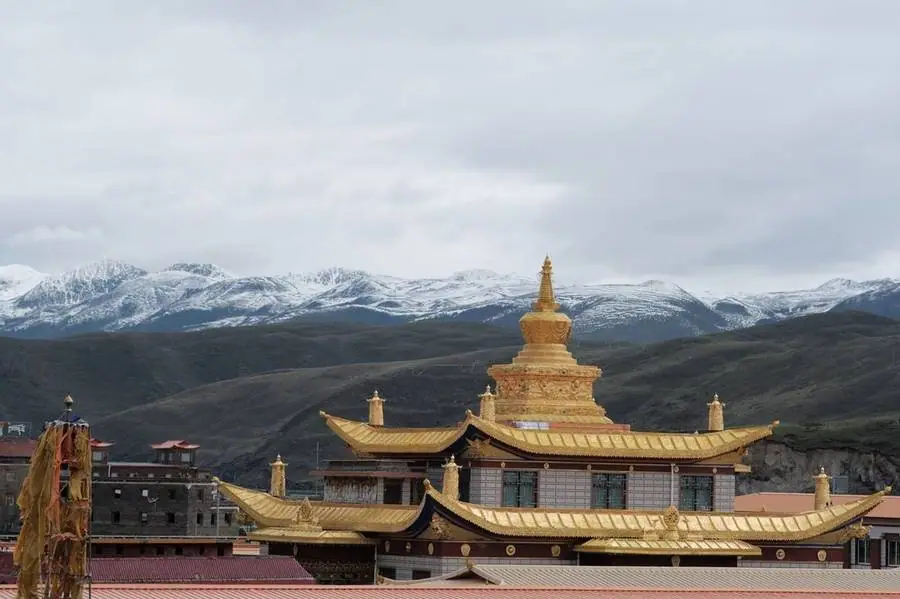
Putuo Zongcheng Temple 普陀宗乘之庙
The “Small Potala Palace” — a hilltop copy of Lhasa’s Potala, the most spectacular of the outer temples.
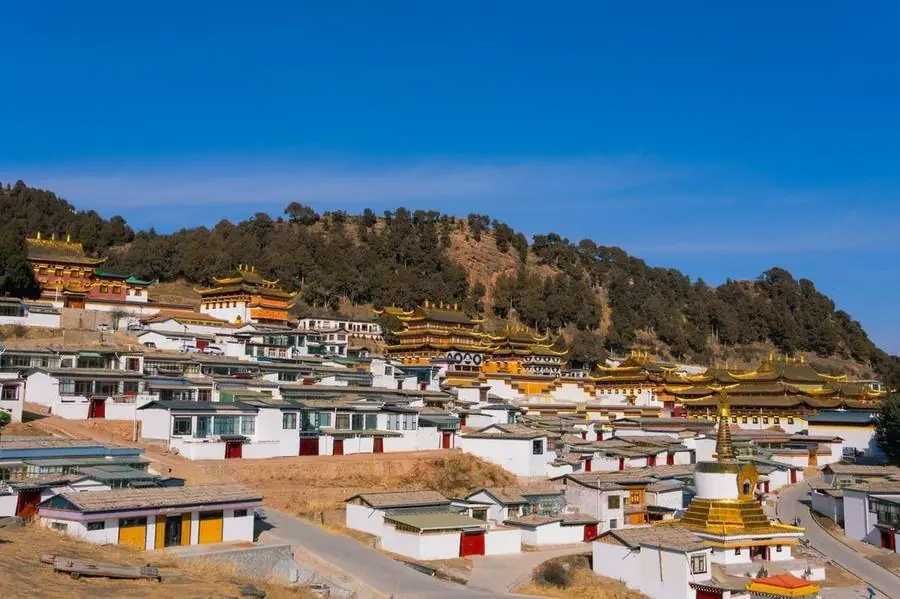
Puning Temple 普宁寺
The living Tibetan temple of the Eight Outer Temples, home to a 22 m wooden Guanyin, the tallest of its kind.
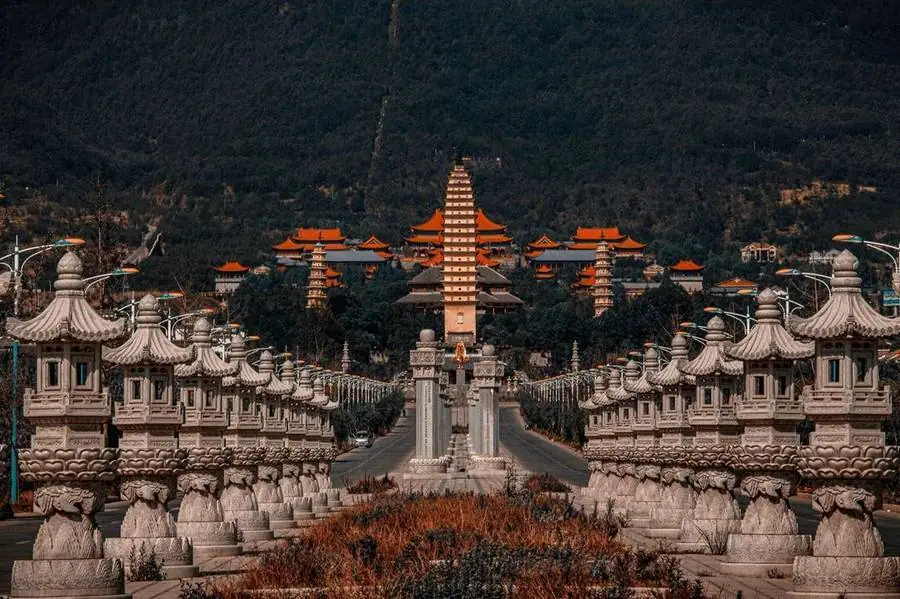
Xumi Fushou Temple 须弥福寿之庙
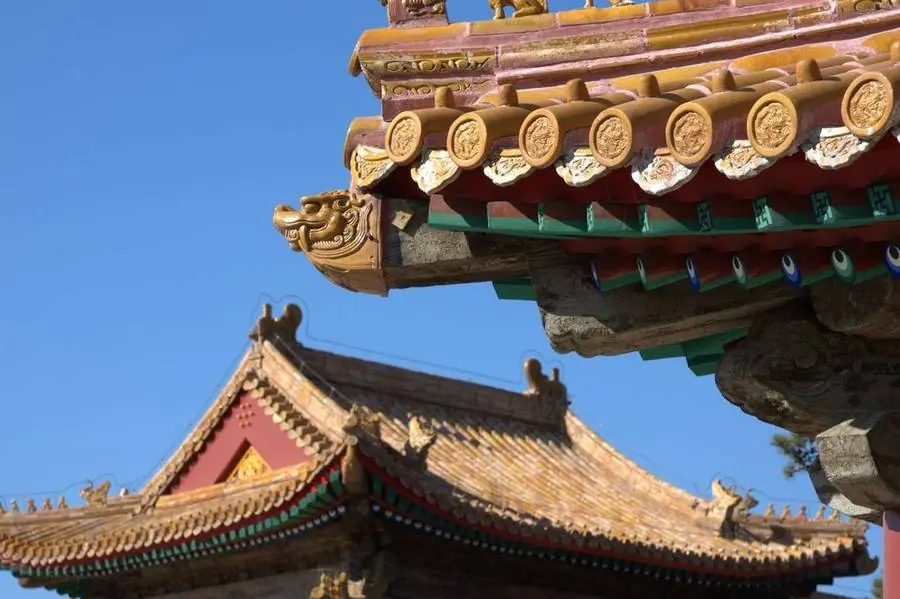
An elegant temple modelled on Shigatse’s Tashilhunpo, with a glittering gold roof and quiet courtyards.
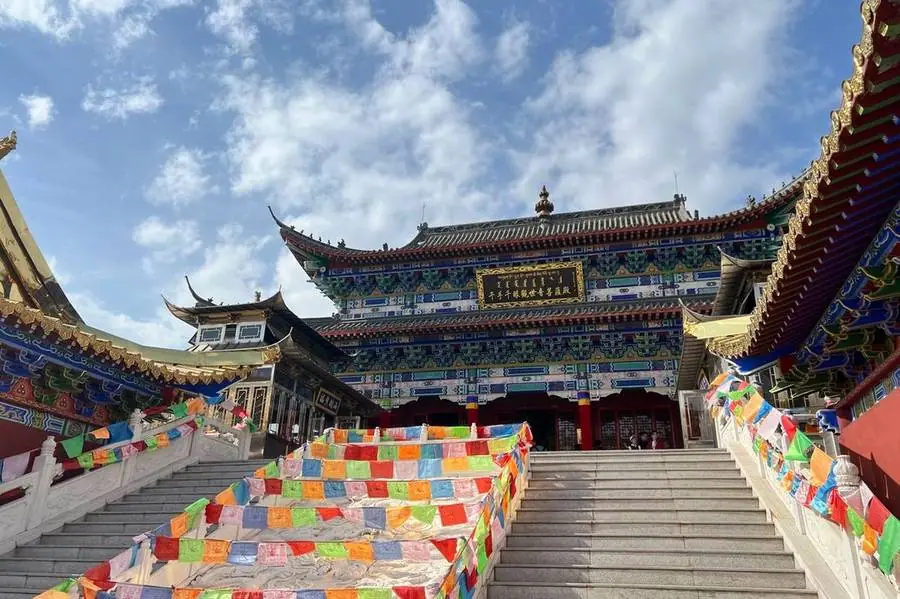
Pule Temple 普乐寺
A round, domed pavilion temple whose style echoes Central Asian and Mongol forms.
Shuxiang Temple 殊像寺
The restored temple famed for its giant statue of Manjushri, the bodhisattva of wisdom.
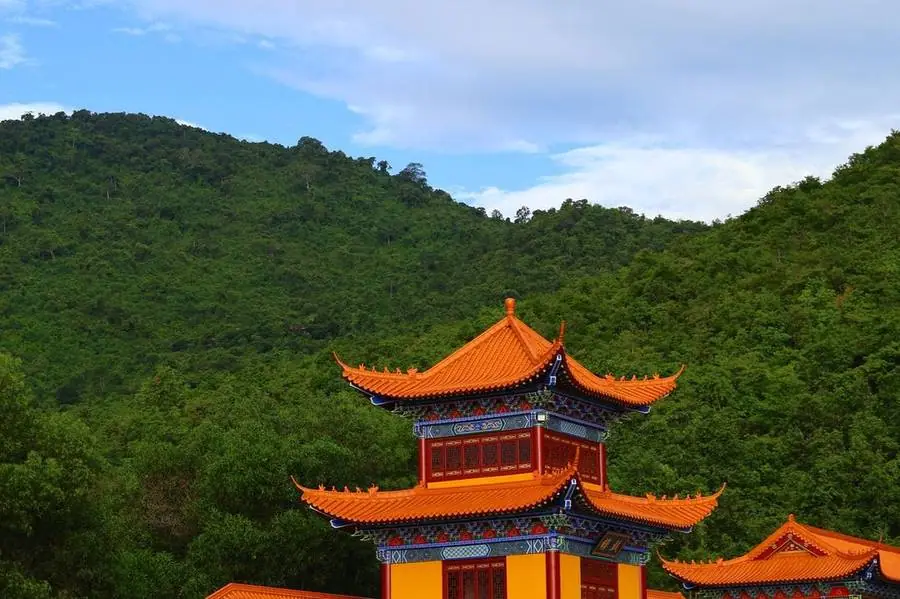
Anyuan Temple 安远庙
The restored temple built for the Dzungar Mongols, now a calm hilltop silhouette.
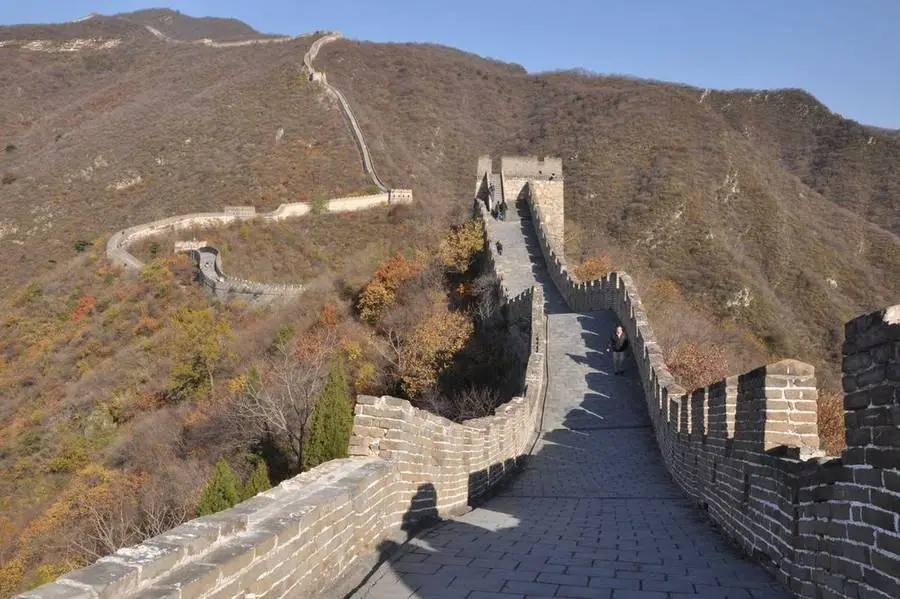
Jinshanling (day trip)
Chengde city
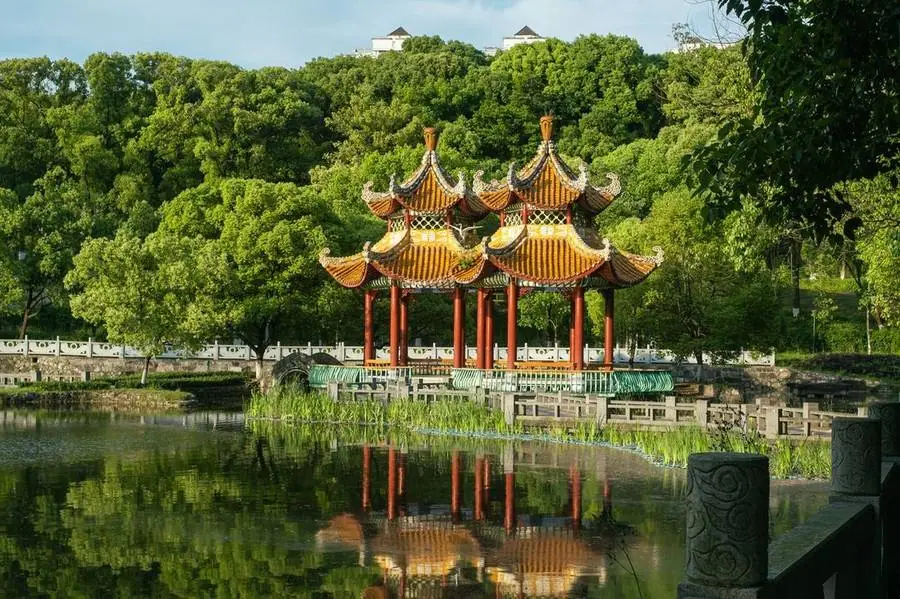
Chengde Museum 承德博物馆
The modern city museum next to the resort — a cool, quick overview before you tour the sites.
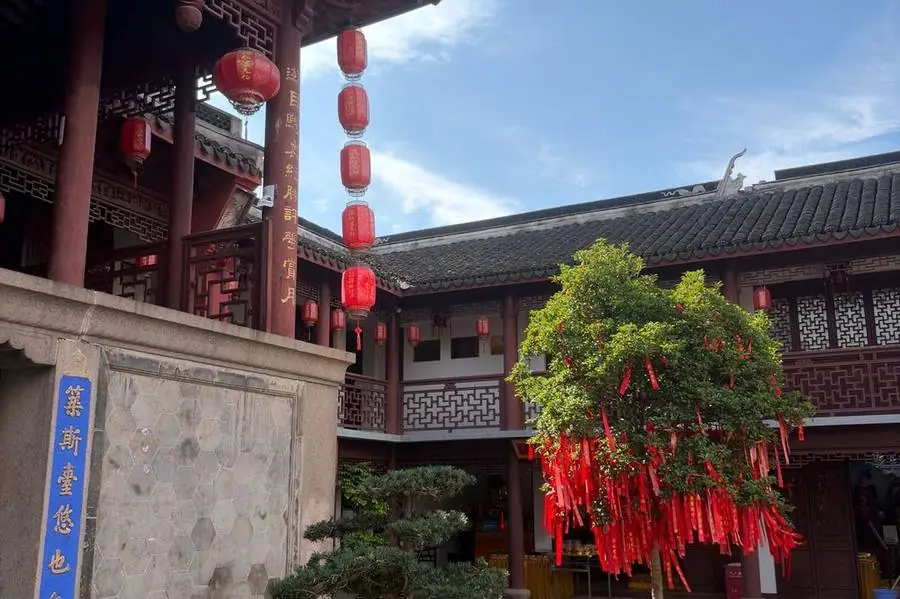
Chengde Temple Courtyard 承德寺庙院落
A representative Qing courtyard compound, red lanterns and carved gates, free to wander.
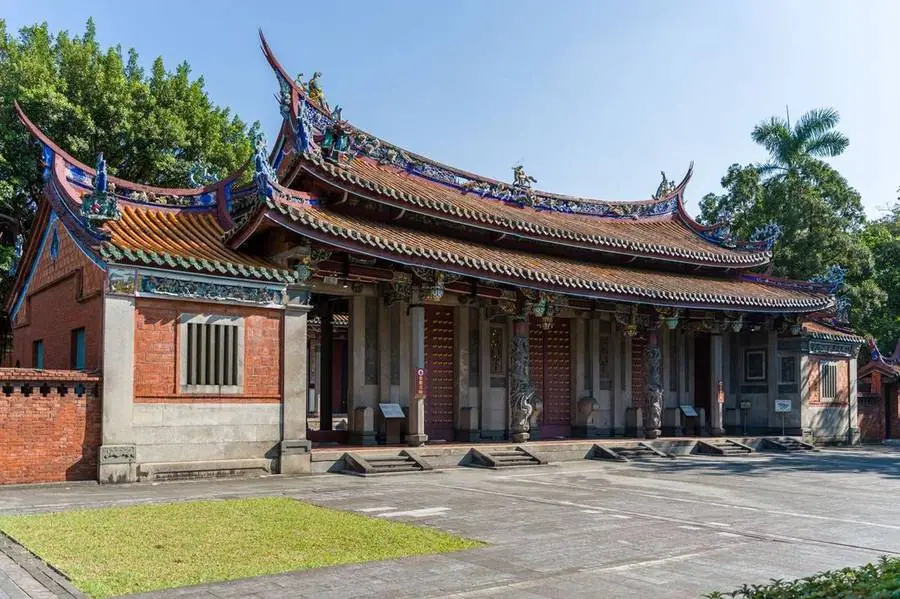
Confucius Temple, Chengde 承德文庙
Chengde’s small Confucian temple, a quiet spot for the city’s traditional side.
Twin Pagoda Mountain
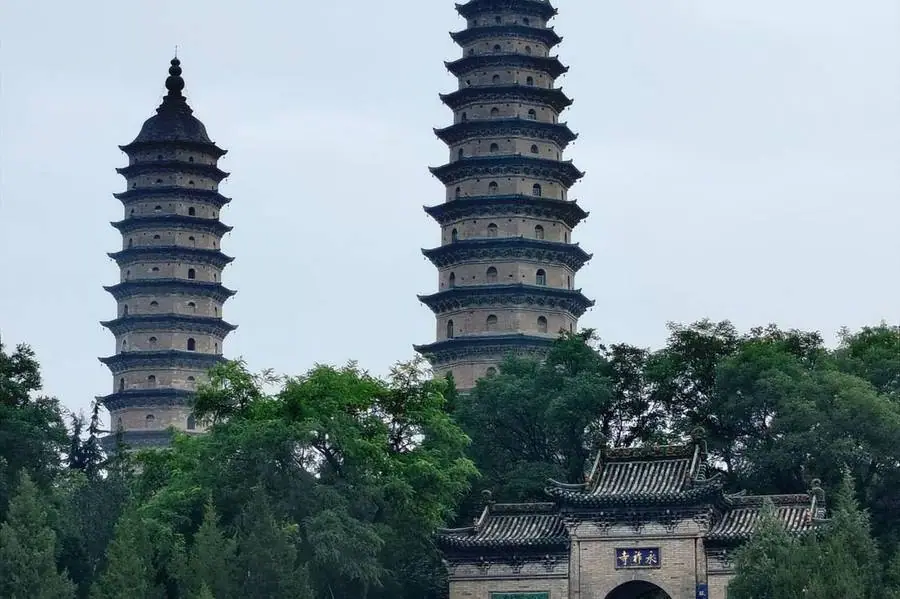
East of resort
Where to stay in Chengde
Rates are for a standard double room in 2026. The city is compact and walkable around the resort; most hotels cluster near the south and east gates. Confirm the USD price at booking, as quoted rates are often in RMB.
Luxury
$80–200 / nightResort hotels near the Mountain Resort’s main gate, some in restored courtyard style, with gardens and spas.
Upper mid-range
$45–80 / nightComfortable business hotels a short walk or ride from the resort and the temples; $45–80 / night.
Mid-range
$28–45 / nightClean Chinese hotels around the city centre and the railway station; $28–45 / night.
Budget
$16–28 / nightGuesthouses and small inns near the resort’s south gate — basic doubles with character; $16–28 / night.
Hostels
$10–16 / nightA few social hostels near the station and the old town, dorms and privates; $10–16 / night.
Souvenirs & local crafts
Easy to pack, easy to explain at customs — and far cheaper at a supermarket than at a scenic stall.
-
Tibetan-Style Thangka
Small painted scrolls of Buddhist figures, made by artisans near the outer temples — a meaningful, packable gift.
-
Bodhi Beads & Prayer Malas
Stringed wooden or seed beads sold around Puning and Putuo Zongcheng temples; buy from shops that certify the material.
-
Chengde Walnut Carvings
Intricately carved walnut shells — a recognised local craft, light and easy to carry home.
-
Mongolian Dairy Sweets
Boxed dried milk candies and curds from the northern grasslands, a simple edible souvenir.
-
Shadow Puppets (Piying)
Hand-cut leather puppets from the regional opera tradition, sold as wall pieces in the old lanes.
Getting around Chengde
Chengde is compact and easy to cross on foot around the Mountain Resort, with no metro — buses, taxis and DiDi cover the rest, and a high-speed line links it to Beijing in well under two hours.
- High-speed rail
- Chengde sits on the Beijing–Chengde high-speed line; Chengde South Railway Station is about 12 km south of the resort, with frequent trains to Beijing (roughly 1–1.5 hours).Trains use real-name booking with a passport; buy through 12306 or a travel app and bring the same passport to the gate.
- Long-distance bus
- Long-distance coaches run from Chengde’s bus stations to Jinshanling, Saihanba and other Hebei towns; book at the station or via apps.
- Metro & bus
- There is no metro in Chengde. The resort area is best on foot; get around the wider city by bus, taxi or ride-hail.
- Taxis
- Taxis start around $1.50 and are metered; from the railway station to the resort is a 20–30 minute ride.
- Ride-hailing
- DiDi runs inside Alipay with an English map and card payment — the easiest way to hail a car without Chinese cash or a phone plan.
- Shared bikes
- Shared bikes (Alipay Haibike / Meituan) suit the flat rides along the resort’s outer wall and the Wulie River.
- Intercity carpool
- Ride-pooling exists but is awkward for foreigners; for Jinshanling and Saihanba, book a driver, shuttle or join a tour.
Plan your 1, 2 or 3 days in Chengde
Pick the length of your stay. Each plan is its own page, anchored at the city centre and written from real traveller itineraries — including splits for sightseeing, shopping, landscape, families and older travellers.
Chengde in 1 Day
The Mountain Resort, Putuo Zongcheng and Puning Temple, with a temples-or-wall choice.
Read the plan → 2-dayChengde in 2 Days
Day one on the resort and the north temples, day two Jinshanling Great Wall or Saihanba.
Read the plan → 3-dayChengde in 3 Days
Add Xumi Fushou and Pule temples, Twin Pagoda Mountain, and a Great Wall or grassland run.
Read the plan →Frequently asked questions
- Do I need a visa for Chengde?
- Chengde has no 144-hour transit port, so arrange a Chinese visa before you fly unless you already qualify for visa-free entry through a major gateway like Beijing. Chengde is an easy high-speed side trip from Beijing.
- When is the best time to visit Chengde?
- May–October is the main season, warm and green, with July–August the coolest and busiest. November–April is cold and quiet, with a cheaper winter ticket. Avoid the May Day and National Day holidays if you dislike crowds.
- How do I get to Chengde from Beijing?
- High-speed trains run from Beijing to Chengde South in about 1–1.5 hours; from there a taxi or DiDi reaches the Mountain Resort in 20–30 minutes. Buses and tours also run the route.
- Is the Mountain Resort worth a full day?
- Yes. The resort is huge — lakes, palaces and wooded hills — and a proper loop takes half a day to a full day. Buy the combined ticket, and pair it with one or two of the nearby outer temples the same day.
- Can foreigners visit the Eight Outer Temples?
- Yes, the temples are open to all visitors; Puning, Putuo Zongcheng and Xumi Fushou are the highlights. Buy tickets at each gate (a joint pass often covers several) and carry your passport.
- Should I add the Great Wall at Jinshanling?
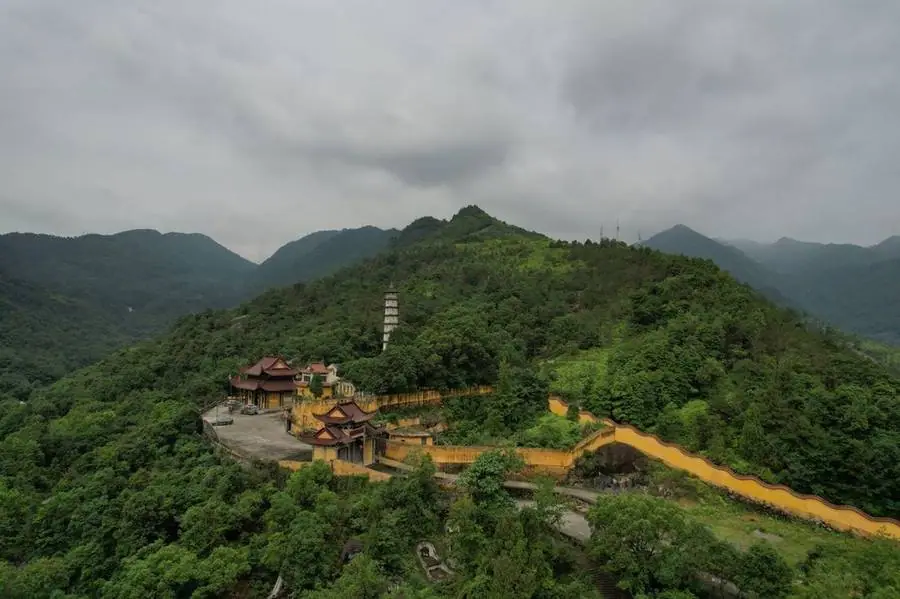
- If you have a second day, Jinshanling is the best nearby Wall stretch — well restored, photogenic and about two hours southwest. Go with a driver or shuttle; sunrise and sunset are the prime light.
- How many days do I need in Chengde?
- Two full days cover the Mountain Resort and the main north temples without rushing; add a third for Jinshanling Great Wall or the Saihanba grassland. A single day is tight but workable on a highlights loop.
Page last reviewed: 2026-11-02.