Beihai Travel Guide 2026: Weizhou Island, Silver Beach and the Treaty-Port Old Town
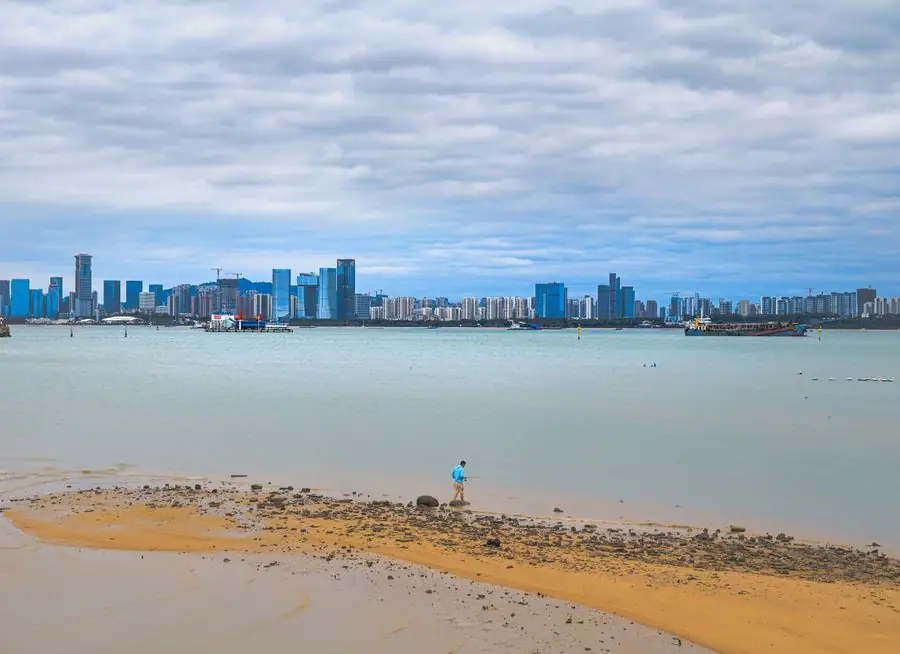
Beihai sits on the Beibu Gulf in the far south of Guangxi, facing Hainan across the water — a tropical port city built on pearls, fish and the old Maritime Silk Road trade. Its calling cards are Weizhou Island, the young volcanic island an hour and a half out by ferry; Silver Beach, the long white-sand resort once billed as the finest shore in the country; and the old town, where the 1876 treaty-port arcades of Zhuhai Road survive beside the old customs house. South of the centre, Qiaogang's Vietnamese food street cooks the pho of the returned overseas Chinese, and the mangroves and the headland sunsets fill the edges. Below: the best time, the history, the food, where to stay, every major sight with its own guide, transport, and 1/2/3-day plans.

History & culture
The Beihai story starts two thousand years ago at Hepu, the county town 28 km west that was one of the departure ports of the Han-dynasty Maritime Silk Road — the Han histories record ships sailing from the Hepu and Xuwen ports to Southeast Asia, and the tombs around Hepu turned up Roman glass and bronze phoenix lamps from that trade. The gulf's pearl oysters fed the 'south pearls' (nan zhu) tribute that made the region's name; the idiom 'the pearls return to Hepu' is still the local boast.
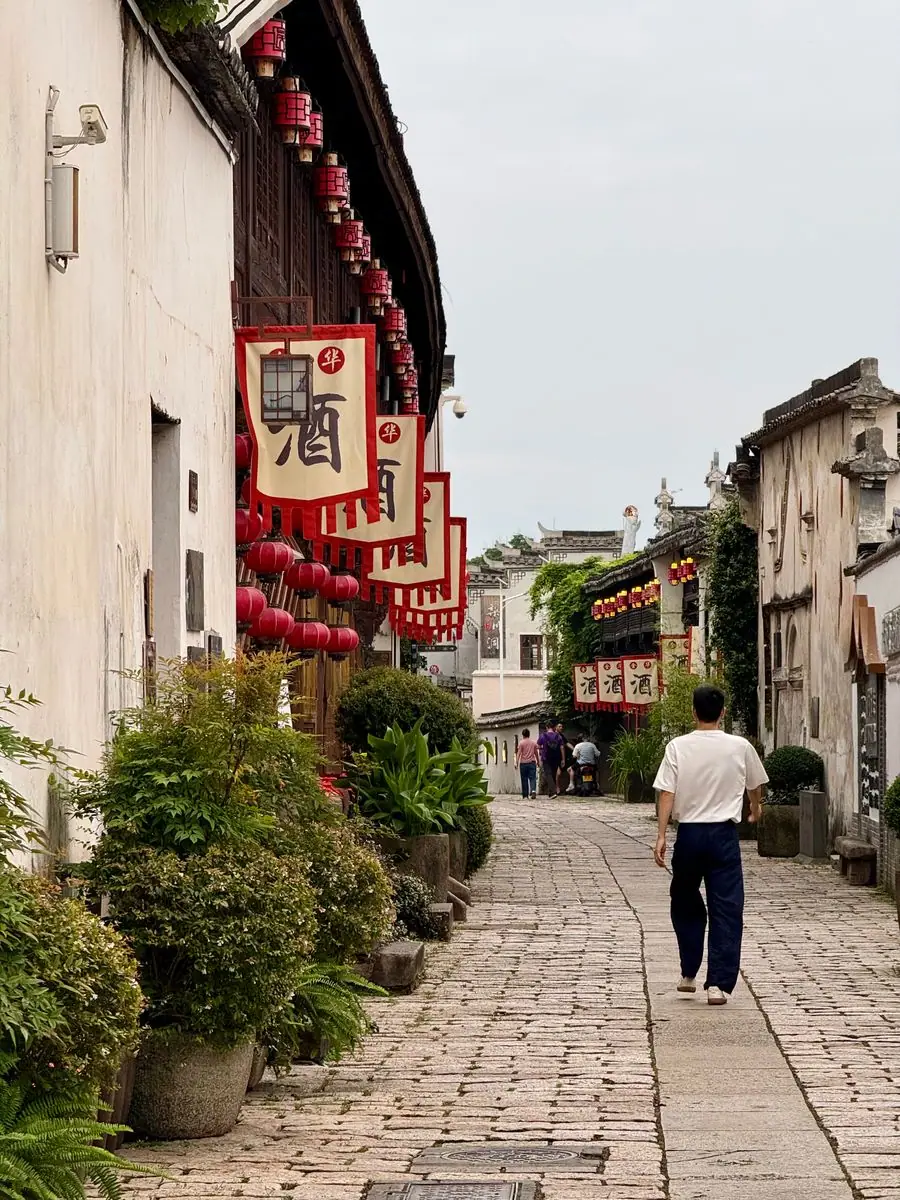
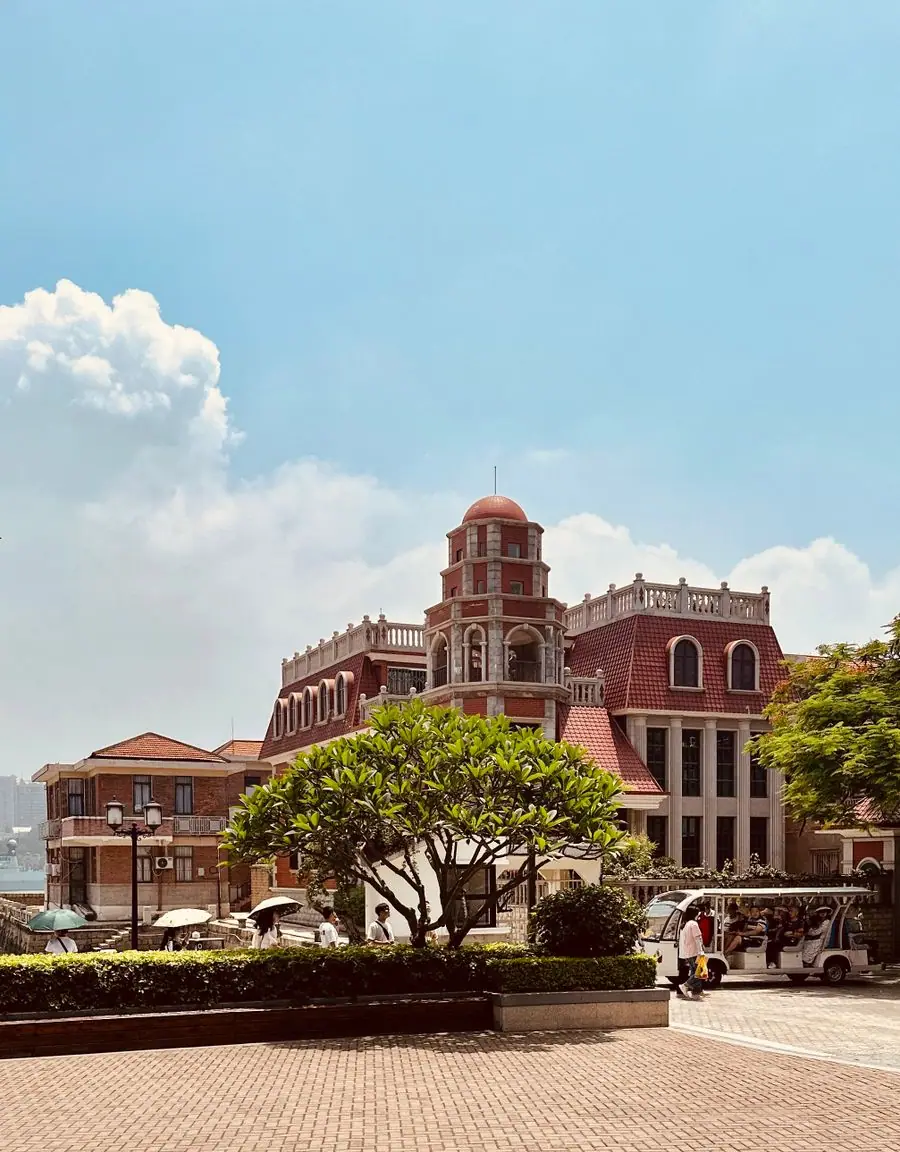
Beihai itself was a fishing hamlet until 1876, when the Chefoo Convention opened it as a treaty port. The Beihai Customs House followed in 1877, and the British, French, German and Portuguese consulates, churches and hospitals rose along what is now the Old Street — the two- and three-storey qilou arcades of Zhuhai Road are that treaty-port century kept in brick, the old post office and customs buildings still standing beside them.
The port traded through the republic and the wars, and the Tanka boat people — the fishing families who lived on their boats in the gulf — remained the city's underworld until the 1950s. In 1853 French missionaries had built the coral-stone Catholic church that still stands in Shengtang village on Weizhou Island. After 1978, Beihai took in the returned overseas Chinese from Vietnam and built them the new town of Qiaogang — today the city's food quarter, where Vietnamese pho and coconut coffee are the local canon.
In the 1990s Beihai built the Silver Beach resort and the 'south pearl' industry that still supplies the pearl shops; the county's Han tombs became a museum, the volcano of Weizhou a national geopark, and the old port quarter the 'Impression 1876' historic district. The economy is now ports, steel, tropical agriculture and tourism — but the city's face is still the gulf, the ferries and the fish markets.
Best time to visit Beihai
Beihai has a tropical monsoon climate: a long warm season, mild winters and rain that arrives in summer storms and autumn typhoons.
Budget for Beihai: hotels from $16 a night, average ticket $$13.21 — see the full cost breakdown, or start from a ready-made route.
Cuisine of Beihai
Signature dishes worth seeking out — prices are typical per-person or per-dish ranges, not fixed quotes.
-
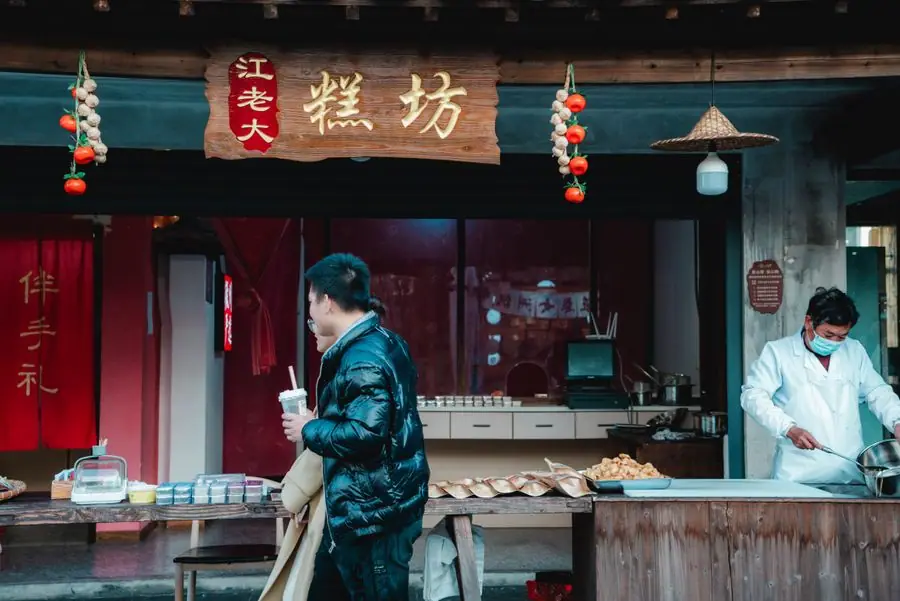
Vietnamese rice noodles (Yue nan ji fen)
The Qiaogang classic: a clear chicken or beef broth over rice noodles with herbs, lime and chilli — the cooking of the Vietnamese-returned families, eaten by the bowl from breakfast to midnight. The lane shops of Qiaogang Food Street are the institutions, and 'Yue Xiang Xiao Chu' is the famous one.
-
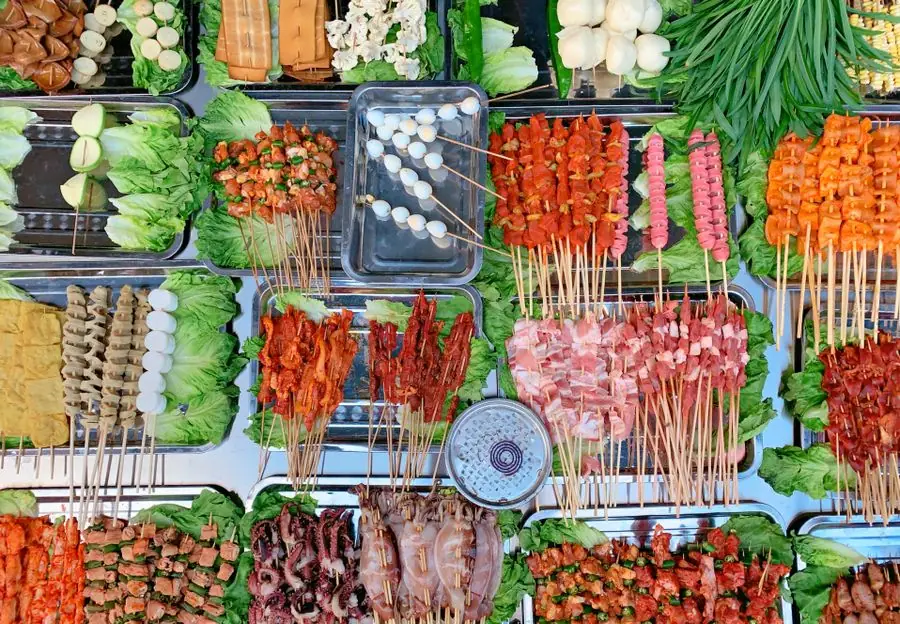
Grilled oysters (Kao sheng ao)
The Beihai street staple: oysters grilled on the half shell with garlic, chilli oil and scallion, sold by the plate from dusk — the beach-and-beer snack, best at Qiaogang or the Waisha market.
-
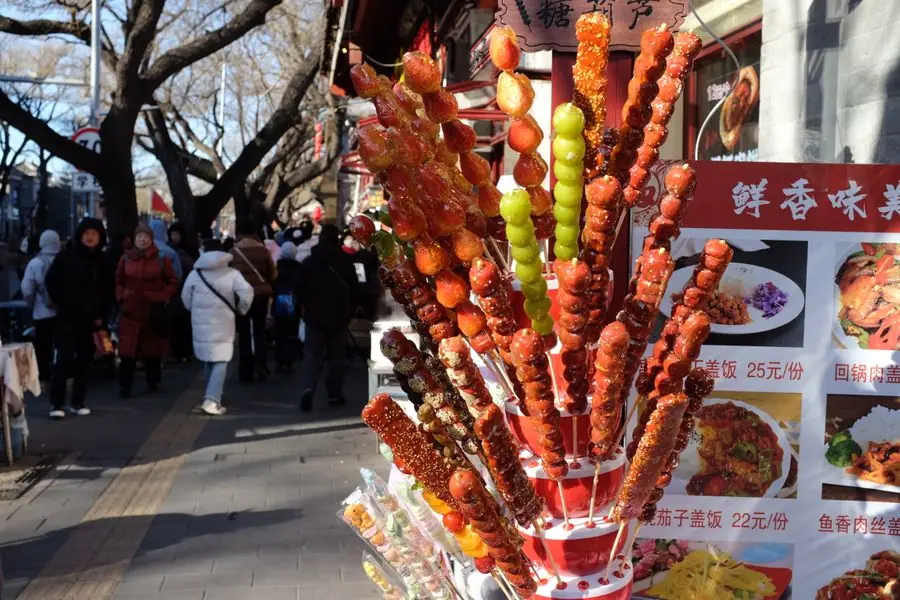
Shrimp cakes (Xia bing)
The old-town snack: small shrimp mashed with starch and fried into crisp golden patties, eaten hot from the pan with sweet chilli sauce — the Zhuhai Road classic, sold at the Qiaogang stalls.
-
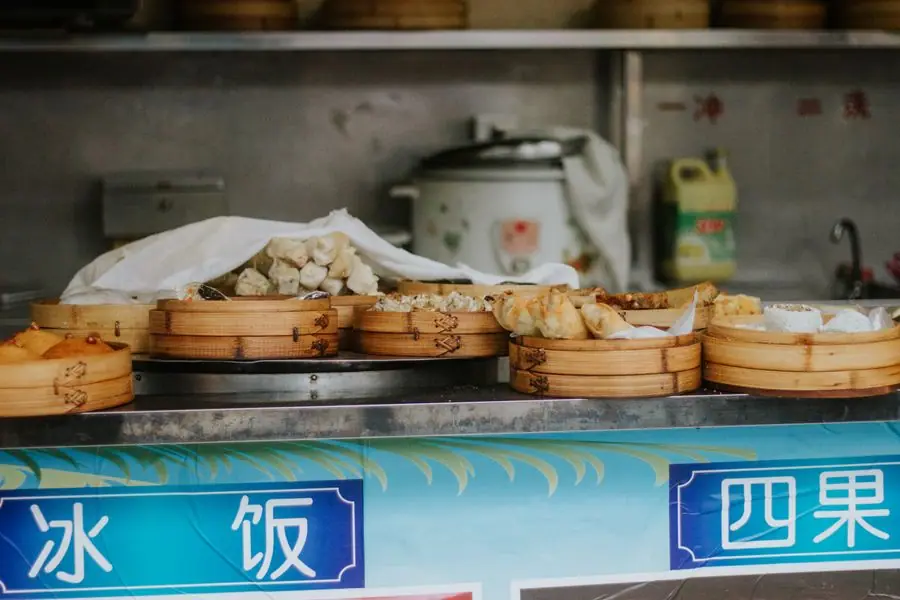
Sweet soups (Tang shui)
The local dessert canon: coconut, mung bean, sago and the five-ingredient 'wu jia' bowl, served cold or hot at the sweet-soup shops — the 'Twenty-four Houses' shop in Qiaogang is the old institution.
-
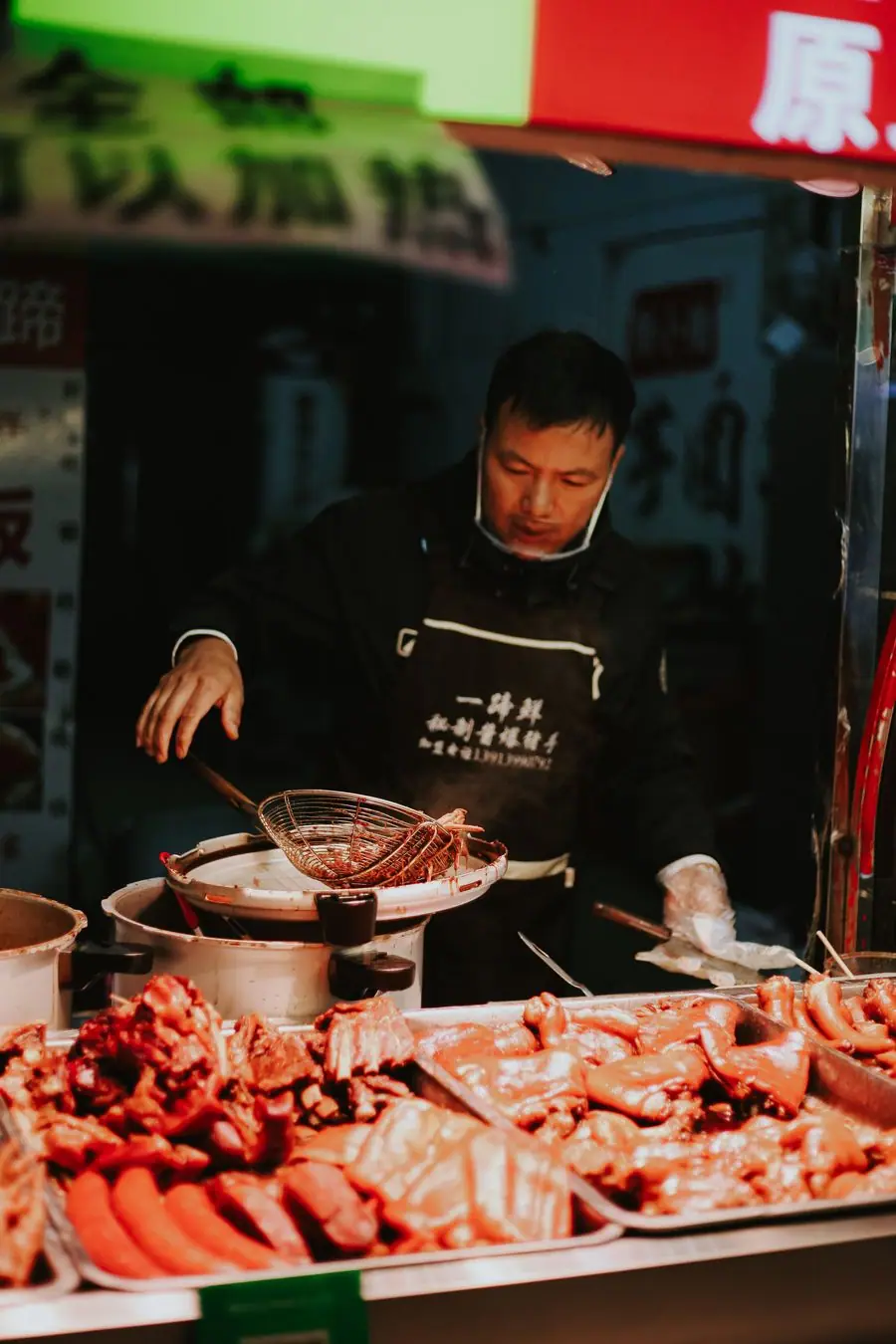
Market seafood (Hai xian jia gong)
The Beihai way to eat: buy your fish and shellfish at the Waisha or Qiaogang market, then pay a nearby restaurant a small cooking fee — crab, mantis shrimp, scallops and grouper at market prices.
Every major sight — with its own guide
Right after the food above, here are the sights — each one links to its own full guide (what to see, how to get there, facilities and the best season). Names follow each sight's official English signage.
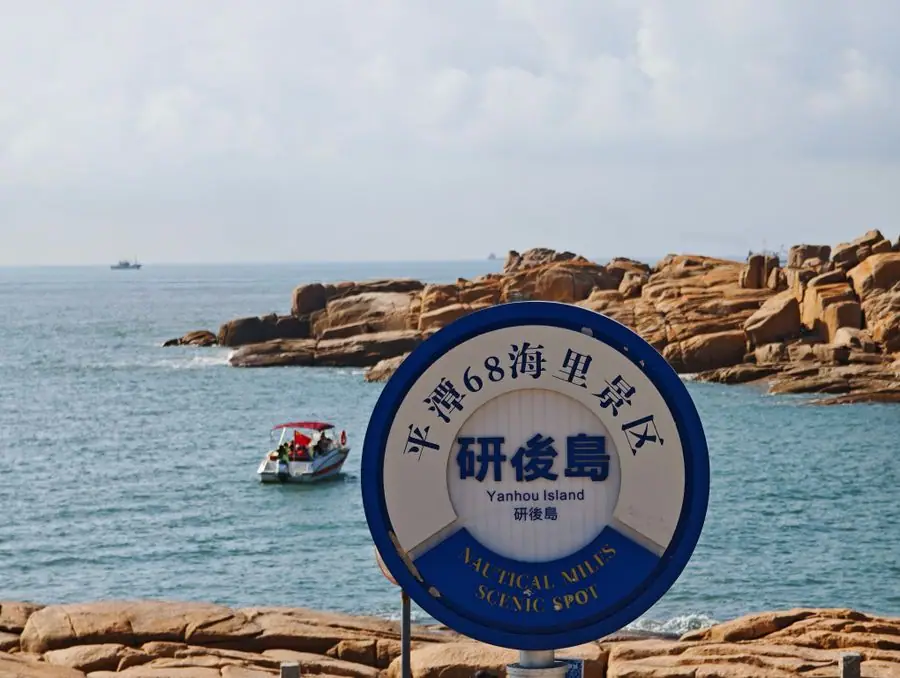
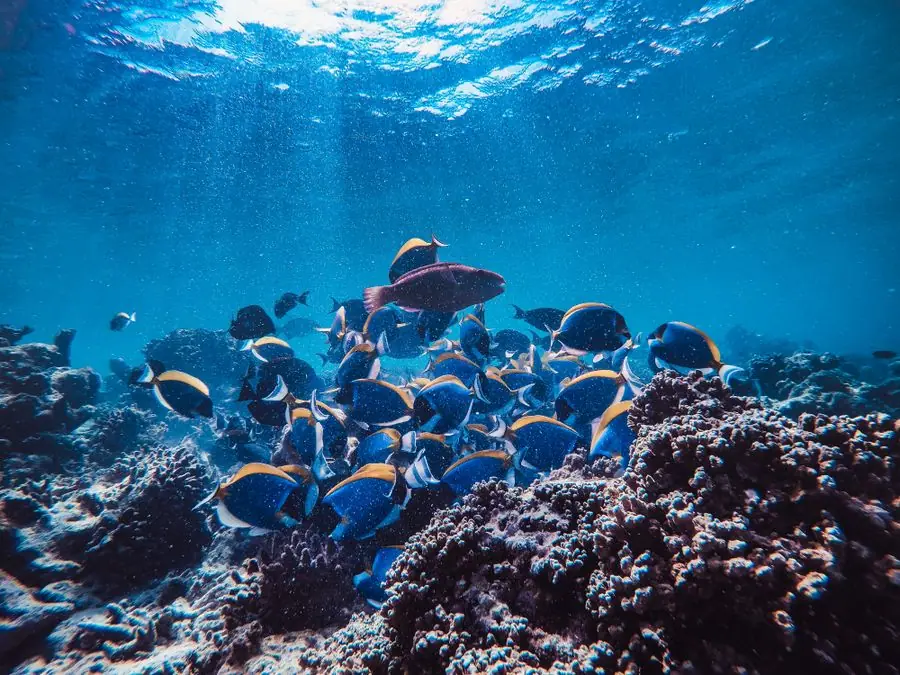
In the Beibu Gulf, ~40 km S by ferry from the Beihai International Ferry Port


Where to stay in Beihai
Stay downtown around Beibuwan Square and the Old Street — the historic sights, the bus network and the food streets are all walkable, and the ferries and the train station are close. The Silver Beach strip has the resort hotels and the holiday apartments (best for the beach, far from the food); Qiaogang puts you next to the Vietnamese food street; the Guantouling–Liuxia side is the quiet sunset coast.
Budget
$16–30 / nightChain hotels (Hanting, JI, 7 Days) around Beibuwan Square and the Old Street, plus guesthouses near the ferry port; clean doubles and foreign-passport registration is routine at the chains.
Mid-range
$39–78 / nightJI Hotel, Vienna and local full-service hotels downtown and along the Silver Beach strip — the sweet spot; sea views cost a little more.
Splurge
$92–184 / nightThe resort hotels on the Silver Beach strip and the international chains in the new town — pools, gulf views and the winter snowbird crowd.
Souvenirs & local crafts
Easy to pack, easy to explain at customs — and far cheaper at a supermarket than at a scenic stall.
-

South Sea pearls (Nan zhu)
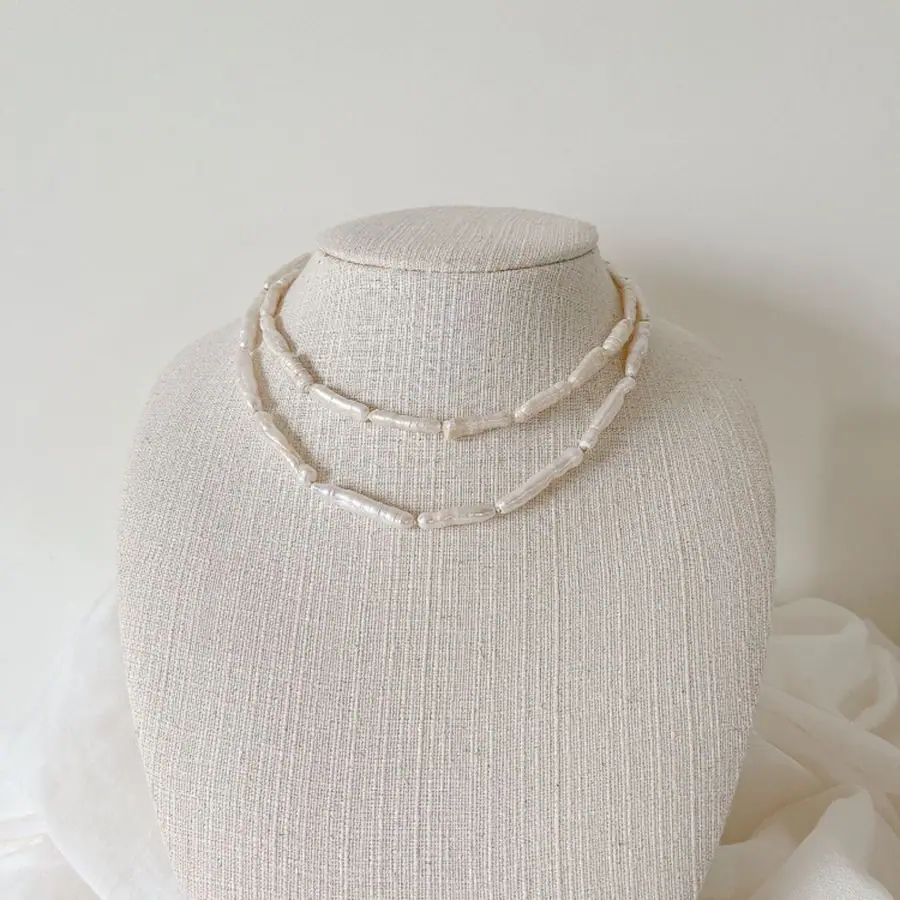
The gulf's pearls — the 'south pearls' of Hepu that fed the Han tribute trade; sold as strands, pendants and loose stones, with quality and price all over the map, so learn the basics at the Nanzhu Museum first.
-
Pearl powder (Zhen zhu fen)
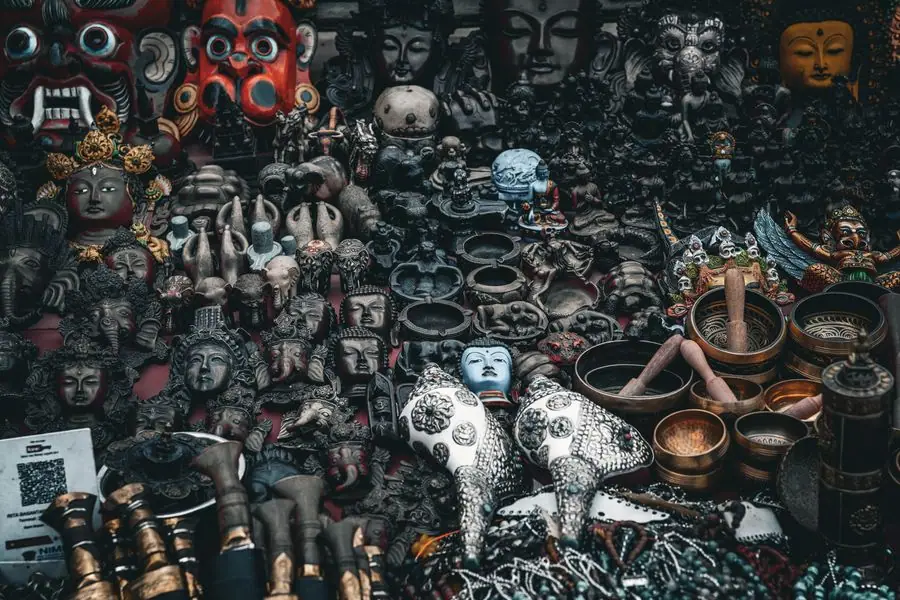
Ground pearl sold in boxes as the traditional cosmetic and tonic — the classic Beihai gift; buy sealed packs from the proper shops.
-
Shell carvings (Bei diao)
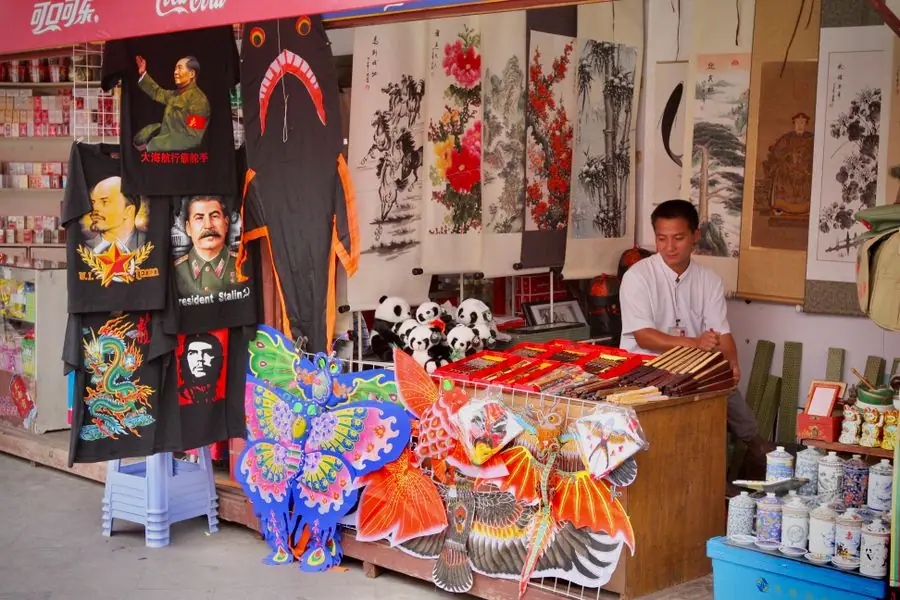
Shell-mosaic pictures and boxes made in the Beihai workshops — the gulf shell tradition turned into framed seascapes and dolphin shapes.
-
Dried seafood (Hai wei gan huo)
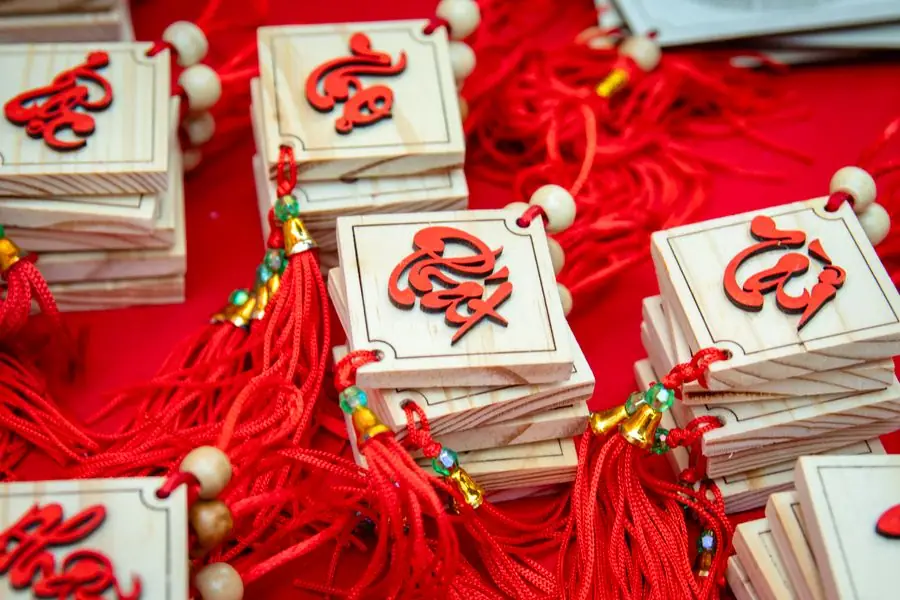
Dried scallops, shrimp, squid and fish from the gulf markets — packed by weight at the seafood stalls and easy to carry home.
-
Vietnamese specialties (Yue nan te chan)
Qiaogang's Vietnamese coffee, coconut candy and rice-paper snacks — the trade of the returned-overseas community, sold along the food street.
Getting around Beihai
Beihai has no metro; it runs on buses, taxis, e-bikes and one high-speed rail line, with the Weizhou ferries the real lifeline.
- High-speed rail
- Beihai station, in the south-east of the city, is on the coastal high-speed line: Nanning East about 1.5 h, Zhanjiang West about 1.5–2 h and Guangzhou South about 5–6 h; add a bus or taxi to the centre.
- Long-distance bus
- City buses are cheap (about $0.15–0.30 / RMB 1–2) and cover the whole city including Silver Beach, Qiaogang and the ferry port; the airport bus links Fucheng to downtown.
- Metro & bus
- There is no metro in Beihai — buses and taxis do the work; tap the Alipay or WeChat transit QR code on the buses.
- Taxis
- Taxis are metered with a low flag fall (about $1.27 / RMB 9); the airport is about $21–28 (RMB 150–200) to the centre, the station about $7 (RMB 50).
- Ride-hailing
- DiDi is the default for Guantouling, the mangrove park and the Hepu sights.
- Shared bikes
- Shared e-bikes are everywhere at about $0.28–0.56 (RMB 2–4) a ride — the practical way along the coast road; on Weizhou Island they are the way round the island.
- Intercity carpool
Plan your 1, 2 or 3 days in Beihai
Pick the length of your stay. Each plan is its own page, anchored at the city centre and written from real traveller itineraries — including splits for sightseeing, shopping, landscape, families and older travellers.
Beihai in one day: the old port town
Morning on the Old Street qilou arcades and the Impression 1876 customs quarter, the Nanzhu Museum for the pearl story, then the Golden Beach boardwalk at sunset and dinner on the Qiaogang food street.
Read the plan → 2-dayBeihai in two days: + Silver Beach and the mangroves
Day two runs the coast: Silver Beach's white sand in the morning, the Jinhaiwan mangrove boardwalks in the afternoon, oysters and sweet soups at Qiaogang after dark.
Read the plan → 3-dayBeihai in three days: + Weizhou Island
Give the third day to Weizhou Island: the early fast ferry, the Crocodile Mountain crater coast, Shengtang's coral-stone Catholic church and the sunset at Dishui Danping, back on the evening boat — or stay a night on the island.
Read the plan →Frequently asked questions
- When is the best time to visit Beihai?
- March–May and October–November are warm and mostly dry; December–February is mild and quiet (the snowbird season); summer is hot, humid and typhoon-exposed — good for the beaches, rough for ferry plans.
- Do I need a visa for Beihai?
- Good news: Beihai Fucheng Airport is one of China's 240-hour visa-free transit ports, so eligible nationals (57 countries, transiting to a third country) can enter visa-free and stay up to 10 days — Guangxi is one of the provinces covered by the scheme. Otherwise arrange a Chinese visa in advance; check the current qualifying list with a consulate before booking.
- How do I get to Weizhou Island?
- The fast ferry from Beihai International Ferry Port (by Silver Beach) takes 70–110 minutes: one-way $21.13 (RMB 150), round-trip $42.25 (RMB 300), plus the island entry ticket $13.80 (RMB 98). Book both on the official 'Laiyouba' mini-program — it opens 15 days ahead at 9 am daily and sells out in season.
- How much do the sights cost?
- Almost nothing: the Old Street, Impression 1876, Golden Beach, Qiaogang, Guantouling, Liuxia Village, the Nanzhu Museum and the Hepu Han museum are all free. The paid ones: Weizhou entry $13.80 (RMB 98) plus the ferry, the Underwater World $23.38 (RMB 166), Haishi Shougang $20.00–20.42 (RMB 142–145), the Ocean Window $13.80 (RMB 98), the mangroves $9.15–12.68 (RMB 65–90) and the Garden Expo $5.35 (RMB 38).
- How many days do I need?
- Two days covers the old town, Silver Beach and the mangroves; three adds Weizhou Island — the one sight in the region worth an overnight. Add a fourth for the Hepu Han tombs and the Haishi Shougang night show.
- How do I get around?
- There is no metro — city buses (about $0.15–0.30 / RMB 1–2) cover Silver Beach, Qiaogang and the ferry port, taxis start at about $1.27 (RMB 9), DiDi does the outlying sights, and shared e-bikes are the way along the coast road. Carry your passport for real-name ticketing on the ferries.
Page last reviewed: 2026-11-02.