Anshun 2026: Huangguoshu Waterfall, Tunpu & a 1–3 Day Plan
Anshun is where Guizhou's karst is most spectacular: the Huangguoshu Waterfall dropping 78 m into a mist of rainbows, the underground Dragon Palace, the boardwalks of Tianxingqiao and the Ming Tunpu villages where descendants of the emperor's garrisons still live. Below: the best time, the history, the food, where to stay, every major sight with its own guide, and 1/2/3-day plans.
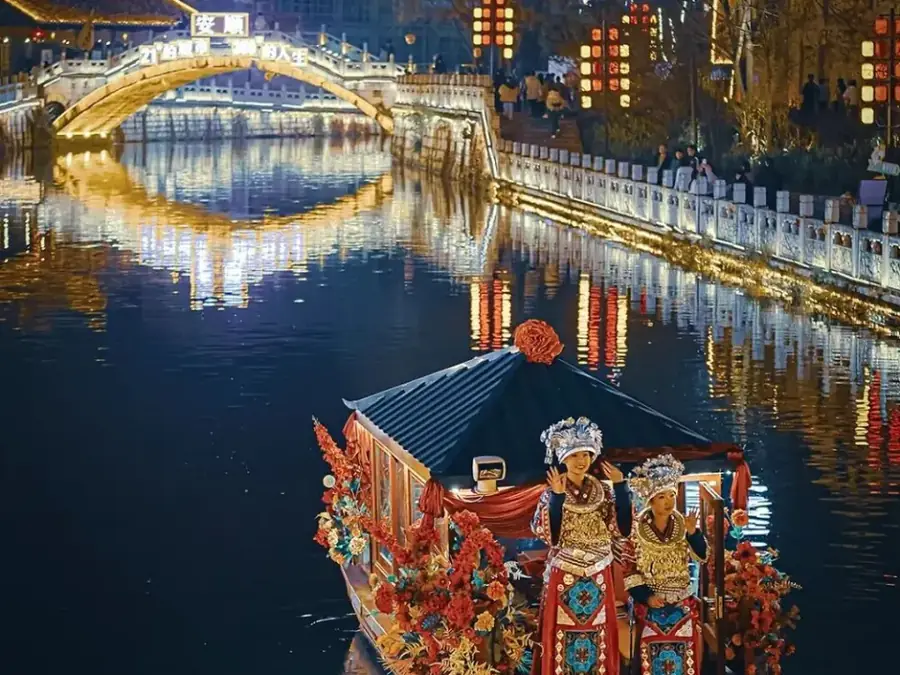
History & culture
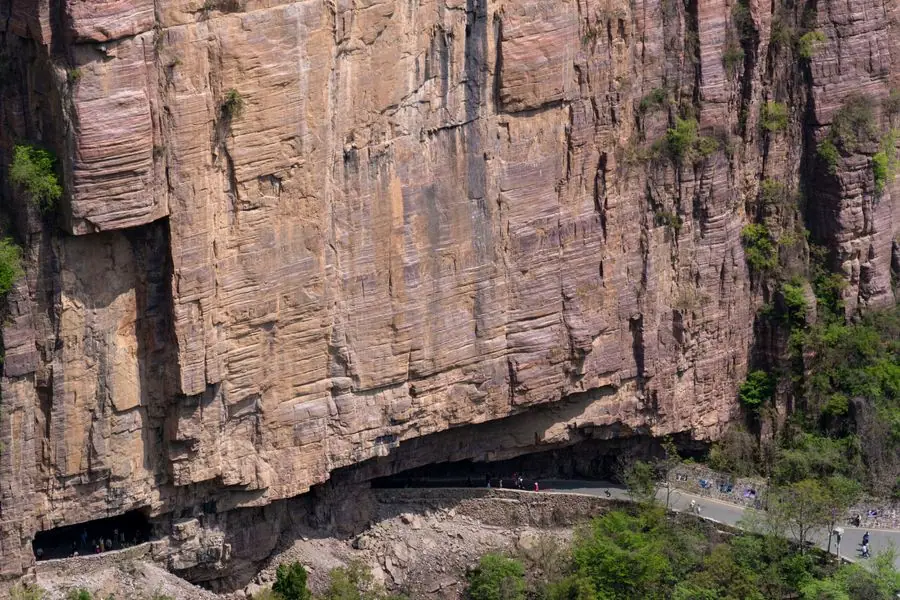
Anshun sits in the limestone plateau of central Guizhou, a landscape of towers, sinkholes and underground rivers shaped by millions of years of rain. The Huangguoshu Waterfall — 78 m high and 101 m wide — is the largest waterfall in Asia and the headline of the region.
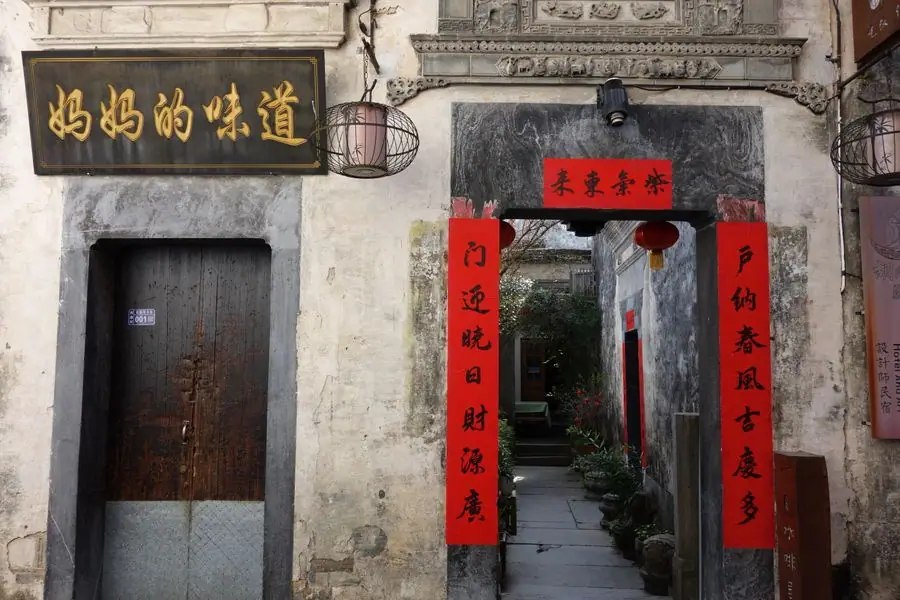
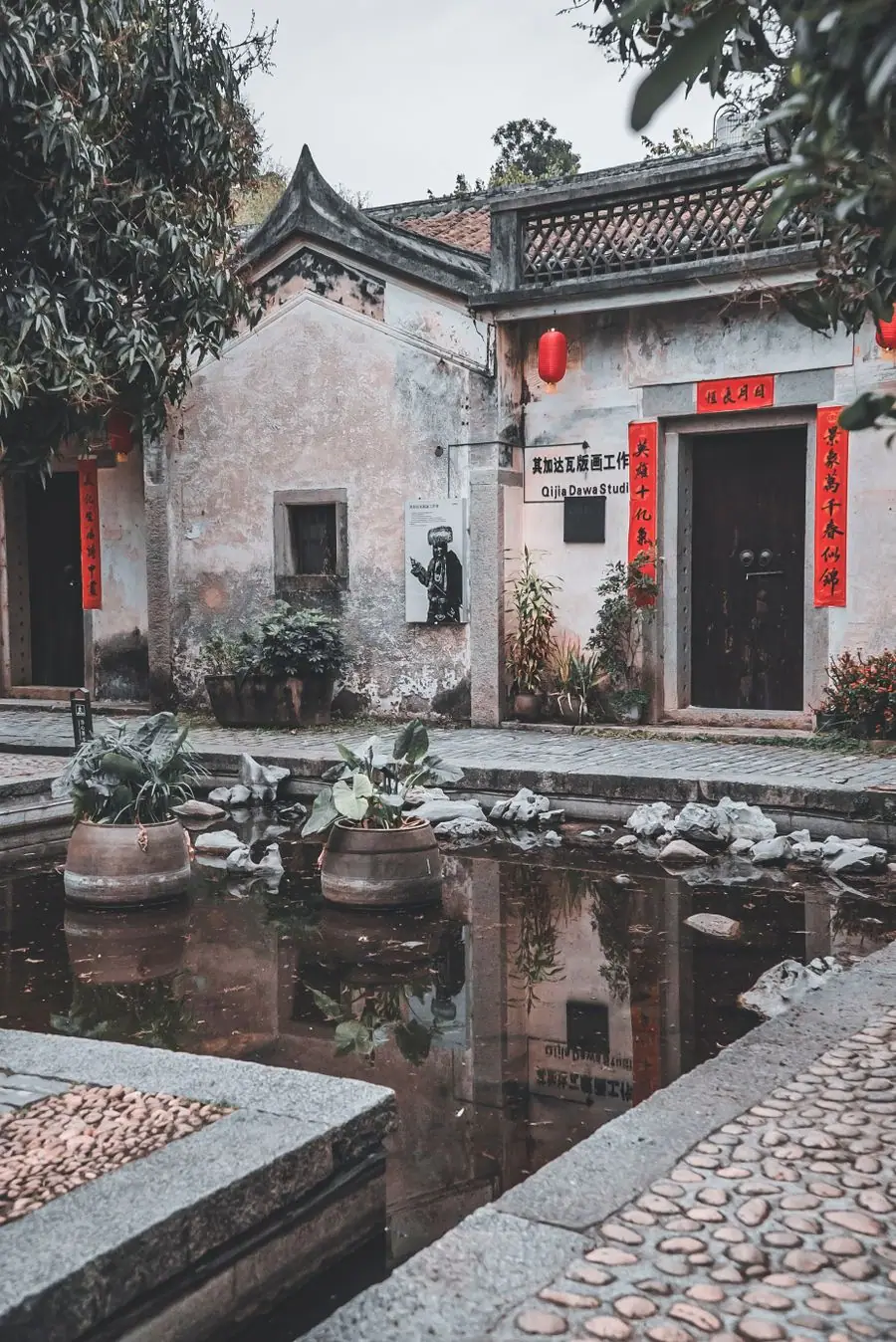
The city's second identity is the Tunpu culture. After the Ming emperor Hongwu conquered Yunnan in the 1380s, he settled tens of thousands of soldiers and their families as garrison villages (tunpu) around Anshun to hold the road; their descendants still speak a Ming-era dialect, build stone houses and perform the masked 'digging mountains' (tiaoshen) ritual.
Guizhou was long a frontier of non-Han peoples — the Miao, Buyei, Gelao and Dong — and Anshun's markets and villages still show that mix. The geology also left a fossil treasure: the Guanling site preserves 200-million-year-old marine reptiles from when this was a shallow sea.
Today Anshun is a small, cool, green city and the base for the Guizhou karst loop — the waterfalls, caves and Tunpu villages are all within an hour or two, and the high-speed rail puts Guiyang and Kunming within easy reach.
Best time to visit Anshun
Anshun has a mild, humid subtropical highland climate — warm, wet summers and cool, dry winters, cooler than the plains because of the elevation (about 1,400 m).
Budget for Anshun: hotels from $14 a night, average ticket $$11.62 — see the full cost breakdown, or start from a ready-made route.
Cuisine of Anshun
Signature dishes worth seeking out — prices are typical per-person or per-dish ranges, not fixed quotes.
-
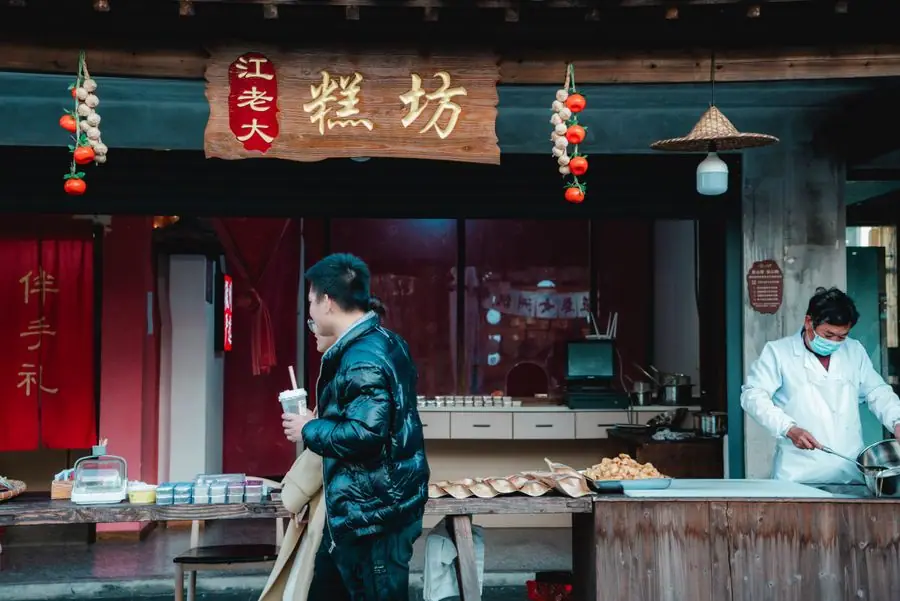
Anshun guoqiao (pot rice noodles)
The local rice-noodle bowl — a hot pot of broth, rice noodles, pork, egg and herbs, eaten at any hour; the city's signature cheap comfort food.
-
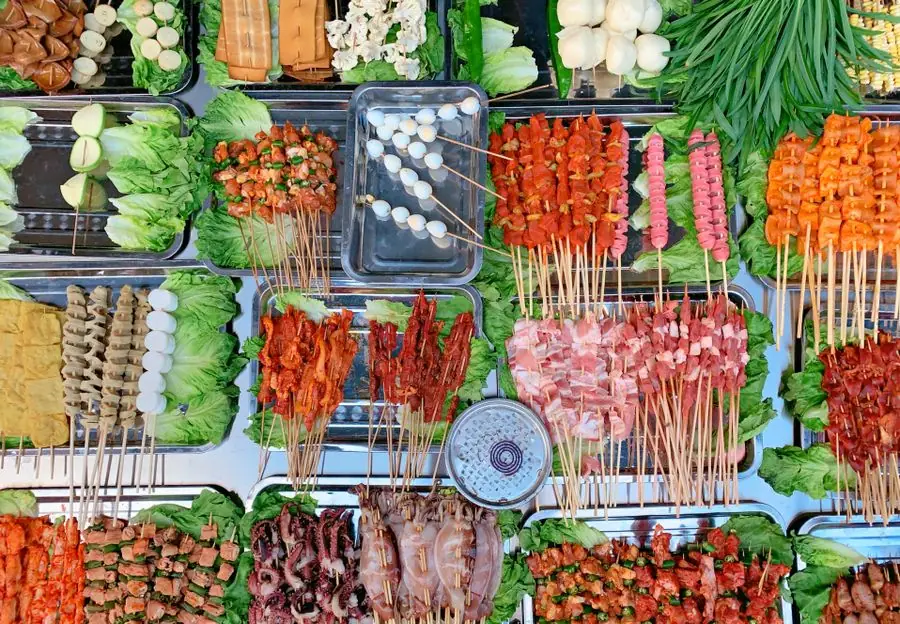
Tunpu military feast (junzhang cai)
The rustic cooking of the Tunpu villages — preserved vegetables, cured pork, blood tofu and corn cakes, the garrison-food heritage of the Ming settlers.
-
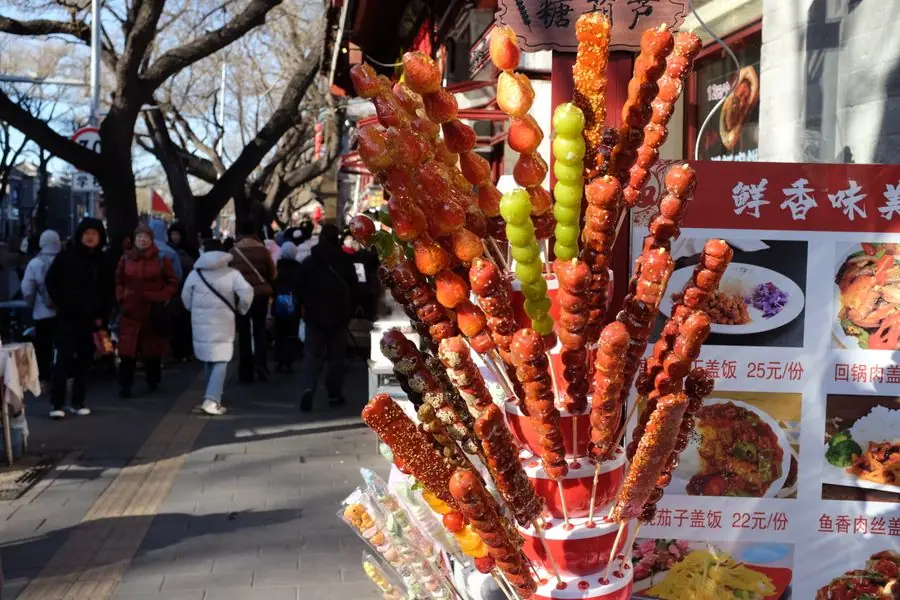
Buyei five-colour rice & zongzi
The dyed steamed rice and leaf-wrapped dumplings of the Buyei people, sold at the village markets and festivals.
-
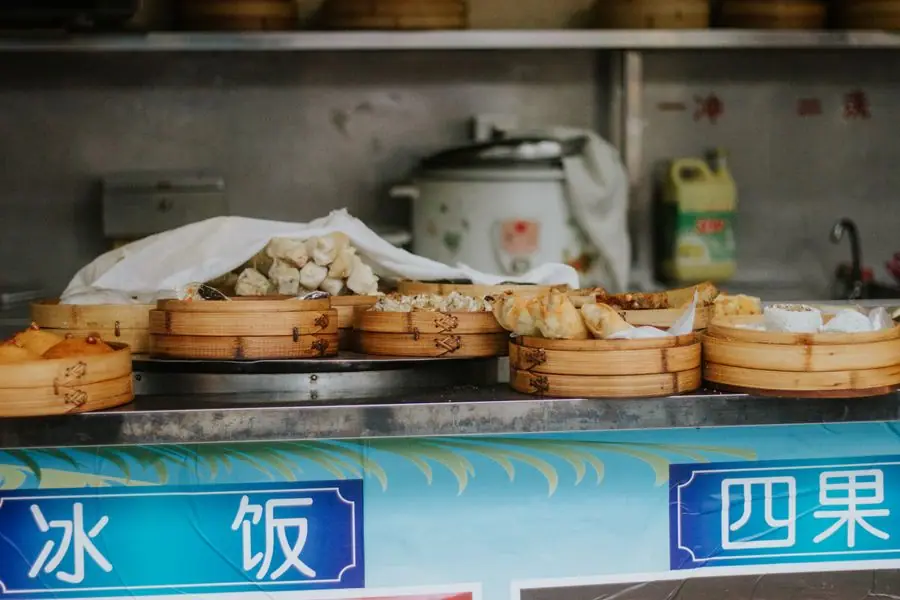
Sour fish & pickled vegetables
The Guizhou love of sour shows up in the river-fish hotpot and the pickled-vegetable dishes of the Miao and Buyei kitchens.
-
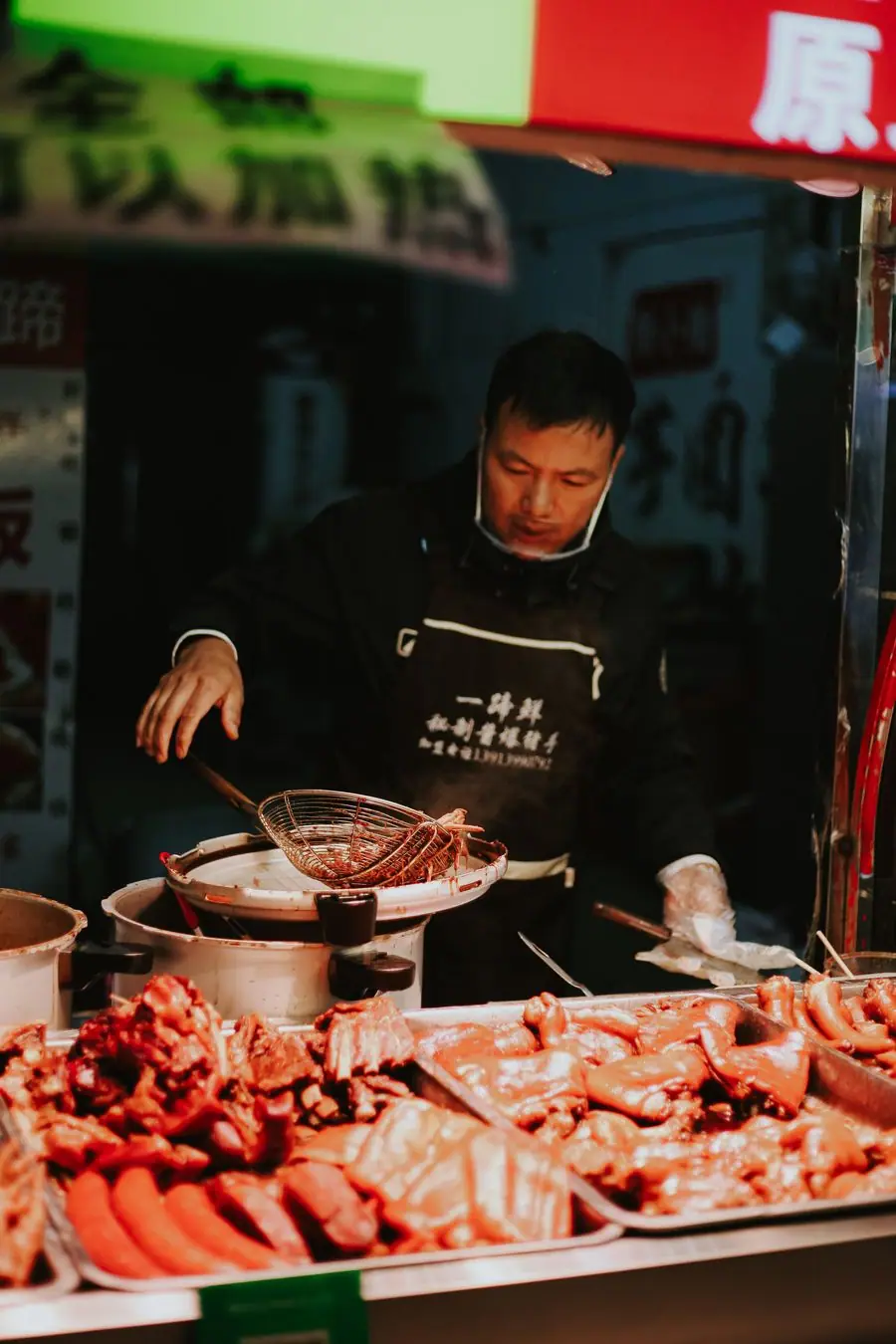
Roasted sweet potato & street tofu
The night-market staples — charcoal-roasted sweet potato and the soft Anshun tofu, cheap snacks along the evening streets.
Every major sight — with its own guide
Right after the food above, here are the sights — each one links to its own full guide (what to see, how to get there, facilities and the best season). Names follow each sight's official English signage.
Zhenning County, ~45 km SW of the centre
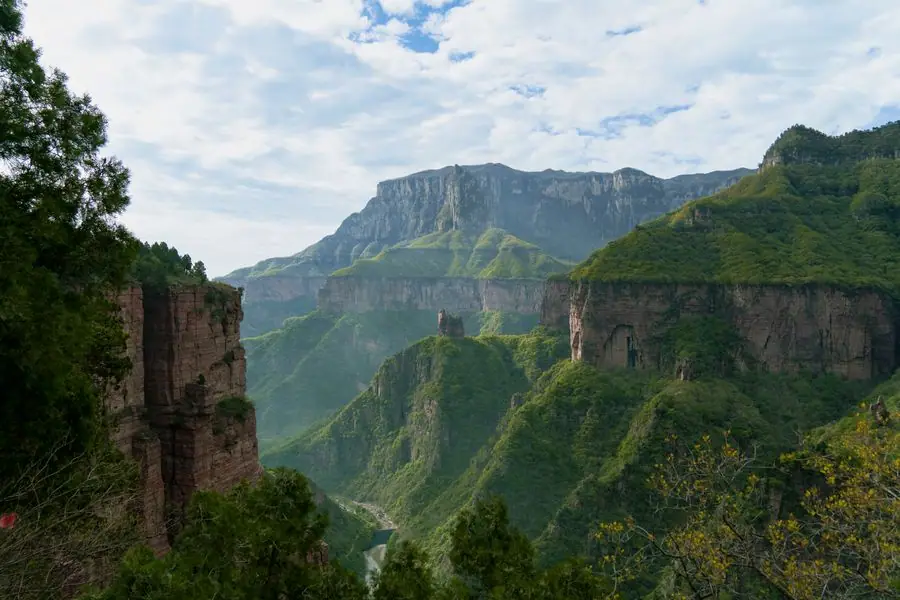
Longgong town, ~35 km S of the centre
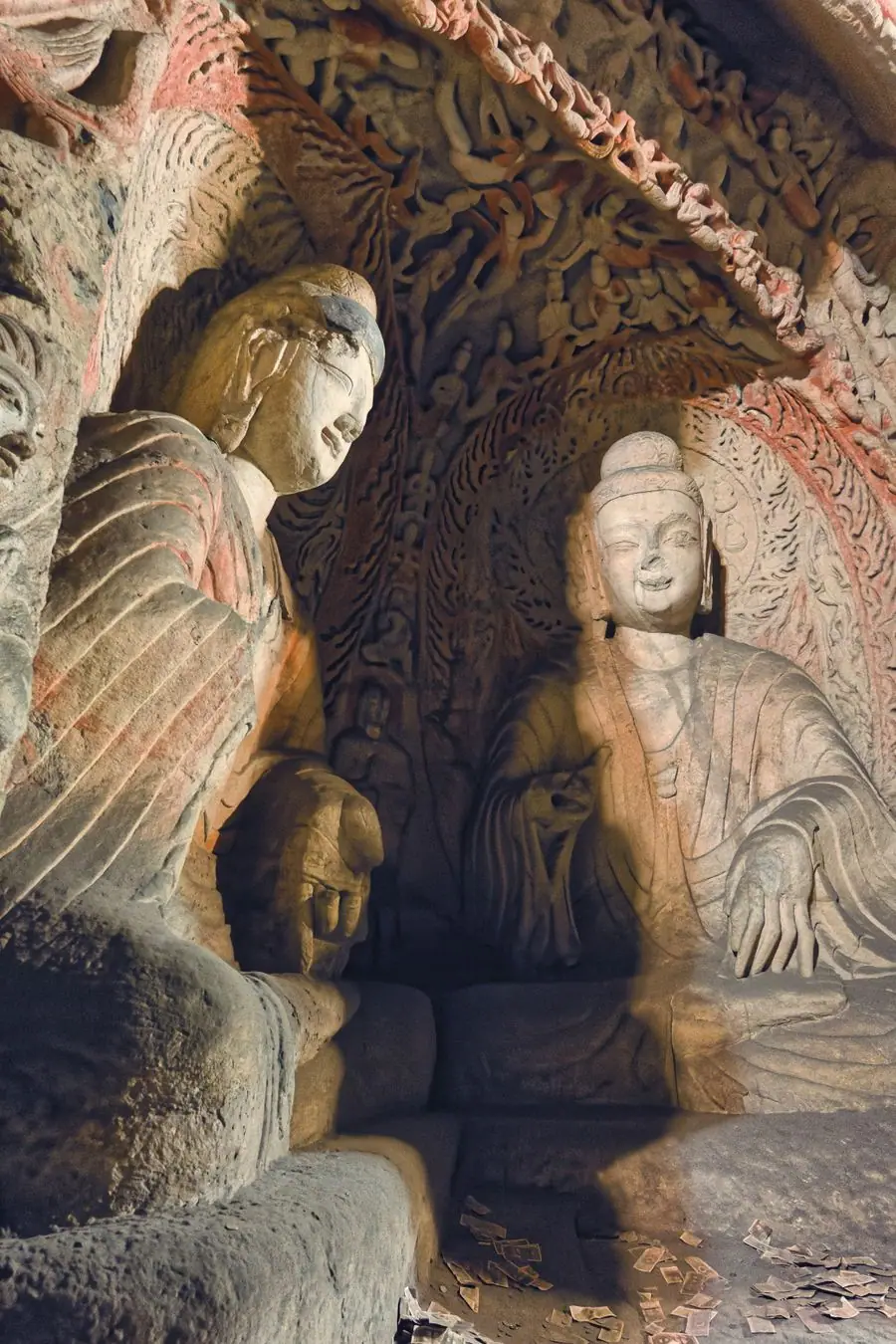
Pingba district, ~30 km E of the centre
Ziyun County, ~90 km SW of the centre
Xixiu district, ~20 km E of the centre
Huangguoshu scenic area, ~45 km SW
Doupotang Waterfall 陡坡塘瀑布
The broad, gentle upper falls of the Huangguoshu system — a wide 105 m curtain that is the opening shot of the classic TV adaptation of 'Journey to the West'. It is included on the Huangguoshu combo ticket and the easy, flat first stop of the loop.
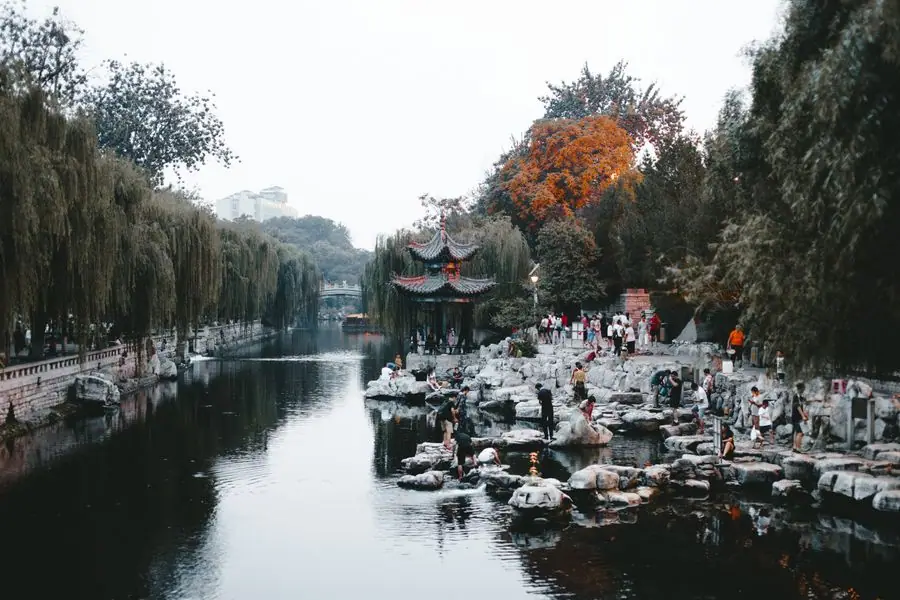
Tianxingqiao (Tianxing Bridge) 天星桥
The water-karst boardwalk of the Huangguoshu system — a 6 km loop of stone forest, ponds, waterfalls and karst pillars you walk through on plankways, the lush, green, photogenic half of the combo ticket.
Xixiu district (centre)
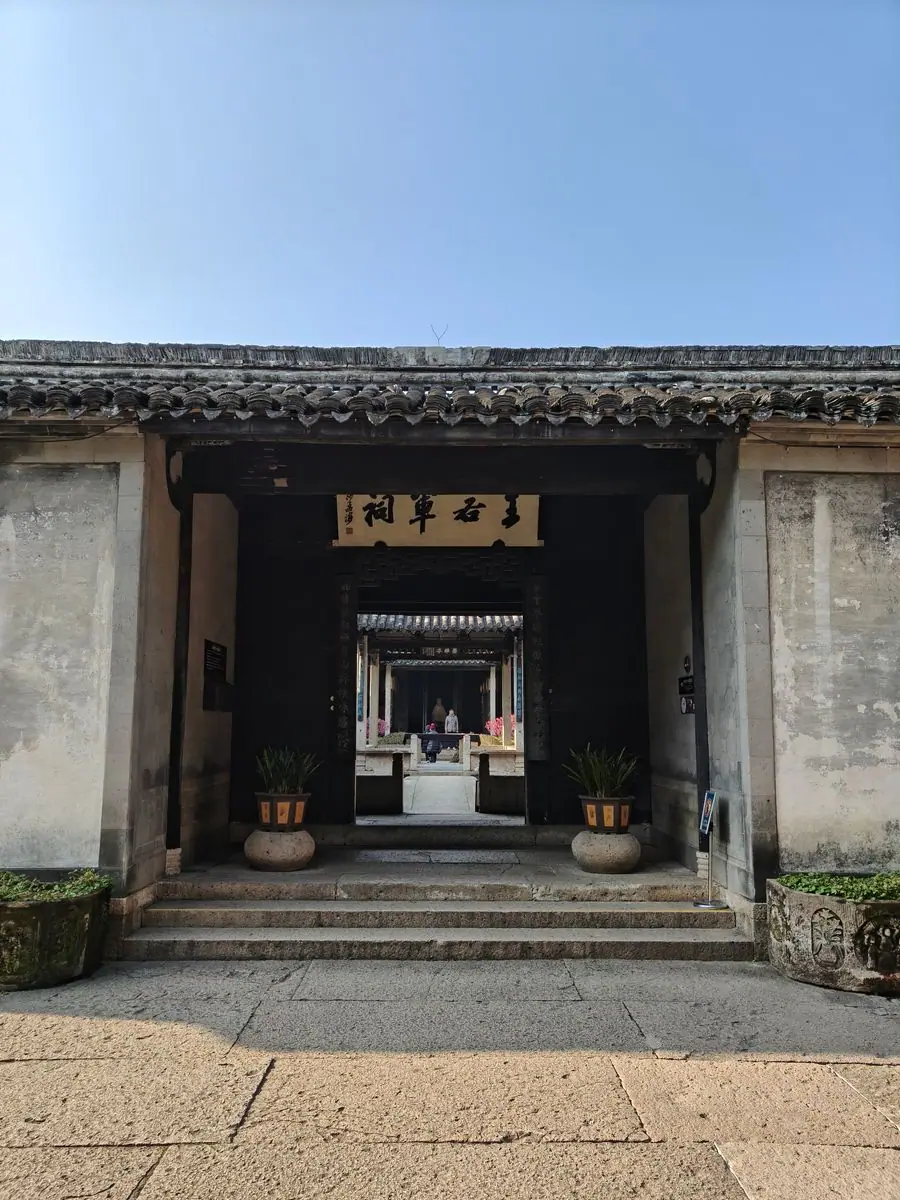
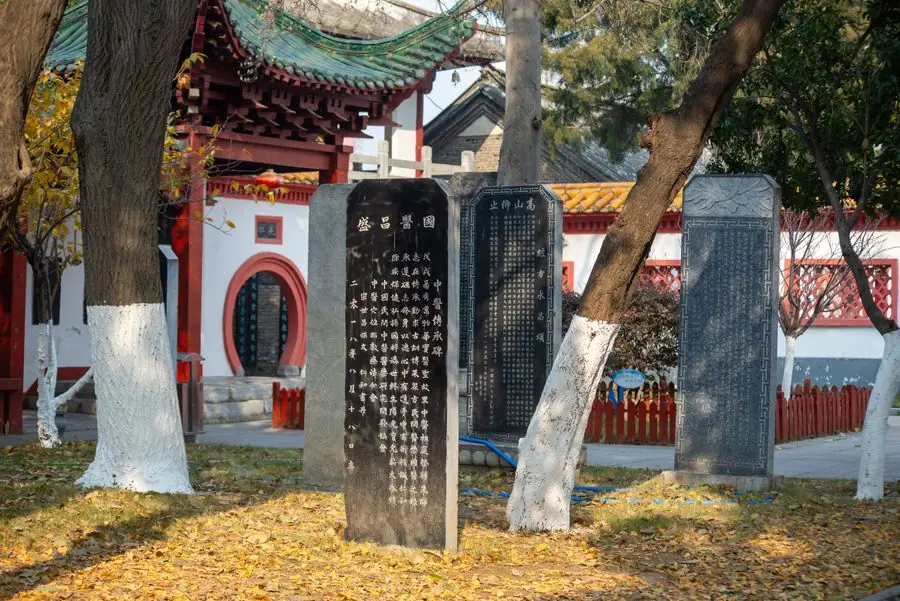
Anshun Confucian Temple 安顺文庙
A Ming-Qing Confucian temple in the city centre — a rare southern Confucian complex with finely carved stone dragon pillars and a quiet courtyard, the cultural anchor of old Anshun and a calm downtown stop.
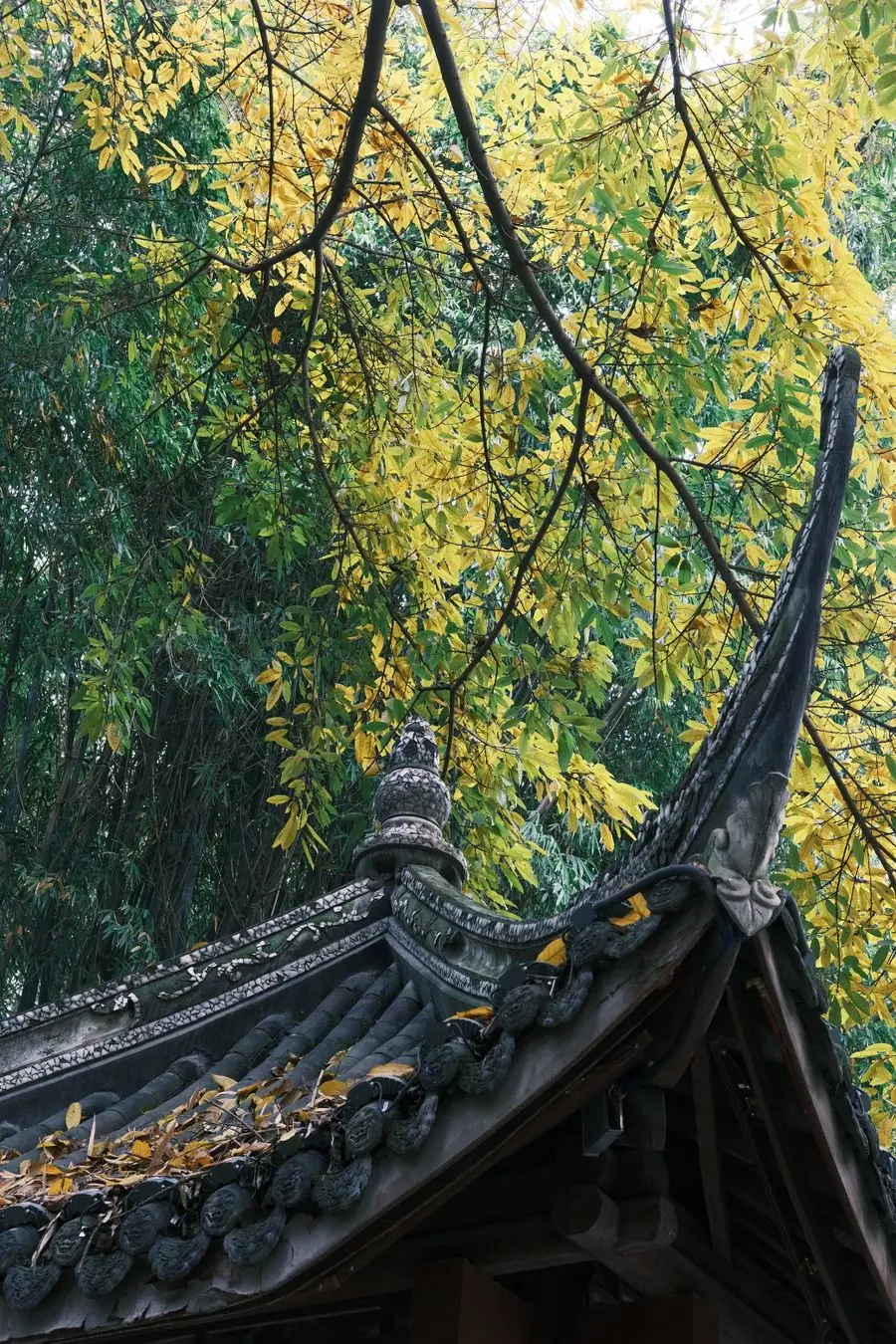
Hongshan Lake Park 虹山湖公园
The central city lake and park — a green ring around Hongshan Lake with walking paths, a pavilion and the evening crowd, the easy local escape and the place to see everyday Anshun.
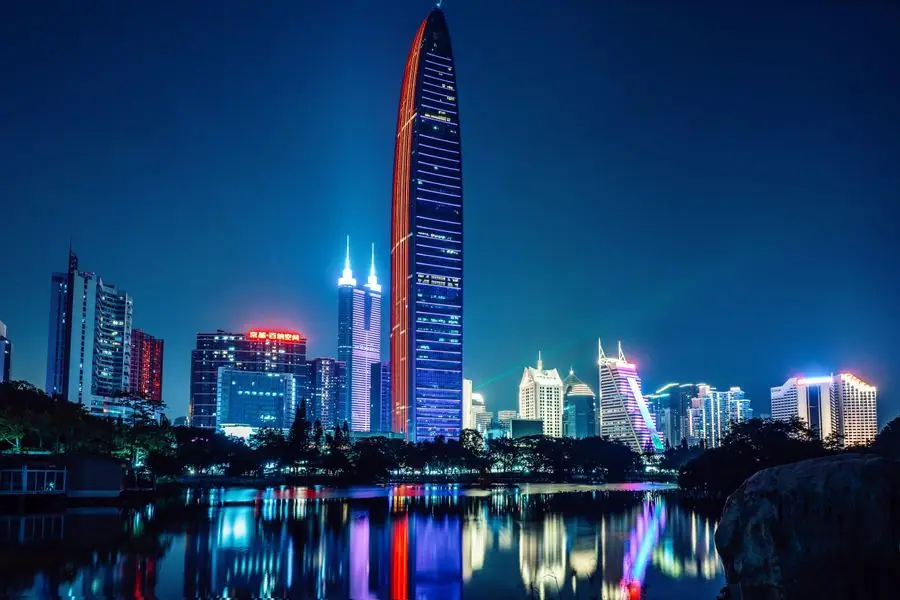
Anshun Night Market 安顺夜市
The evening food streets of the city centre — grills, the local guoqiao noodles, roasted sweet potato and tofu, and the nightly social scene of small-town Guizhou. The cheapest, most local way to end a day.
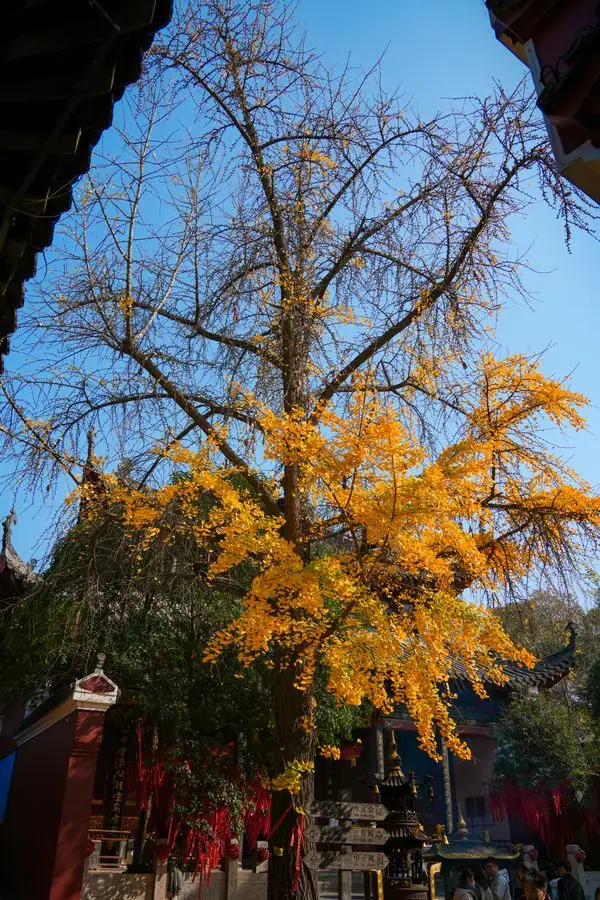
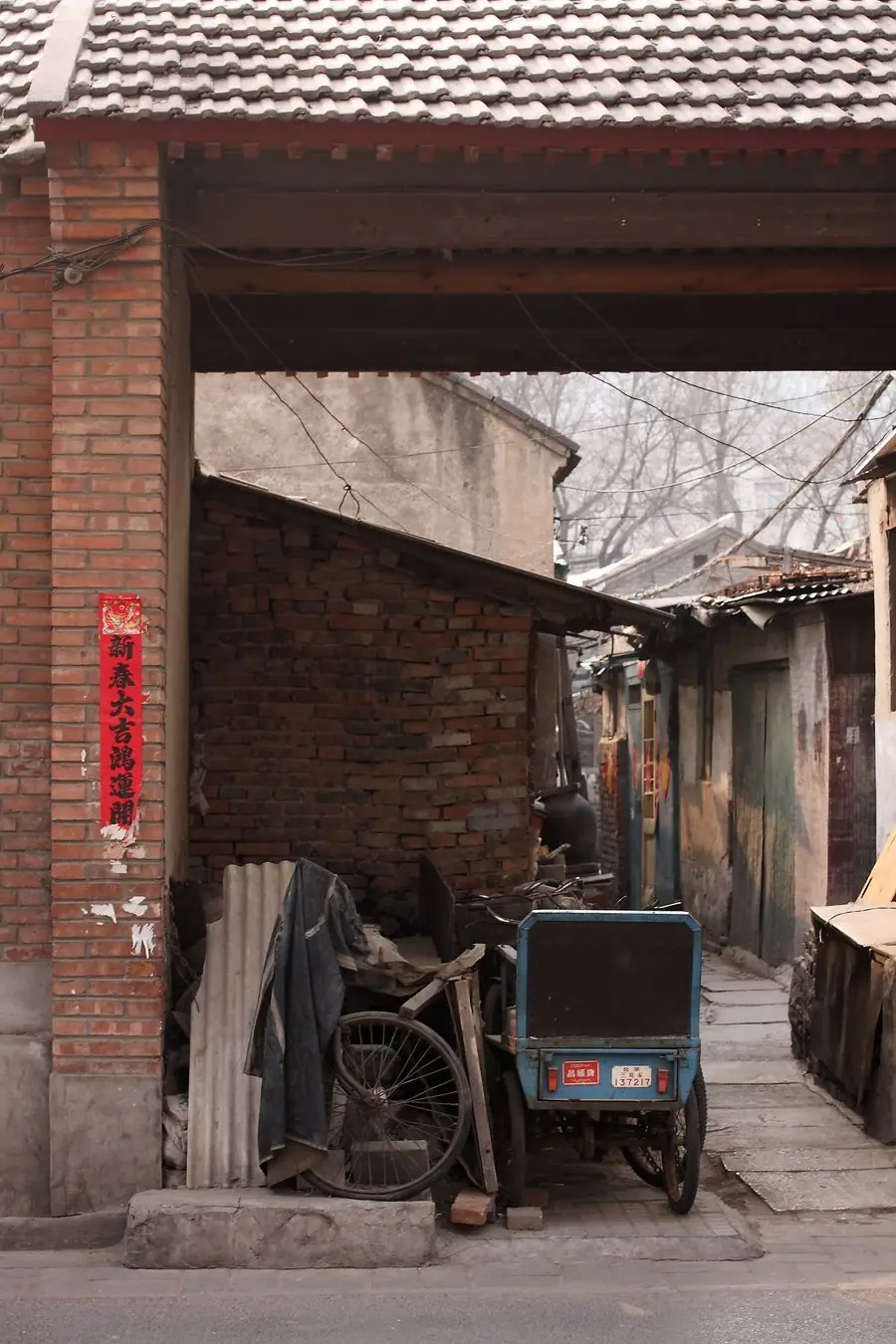
Rulin Road Old Lanes 儒林路老街
The old lane district of the city centre — Rulin Road and the surrounding alleys of Republican-era and Ming-Qing houses, the quiet, walkable memory of old Anshun between the modern blocks.
Huangguoshu area, ~30 km SW
Around the karst (various counties)
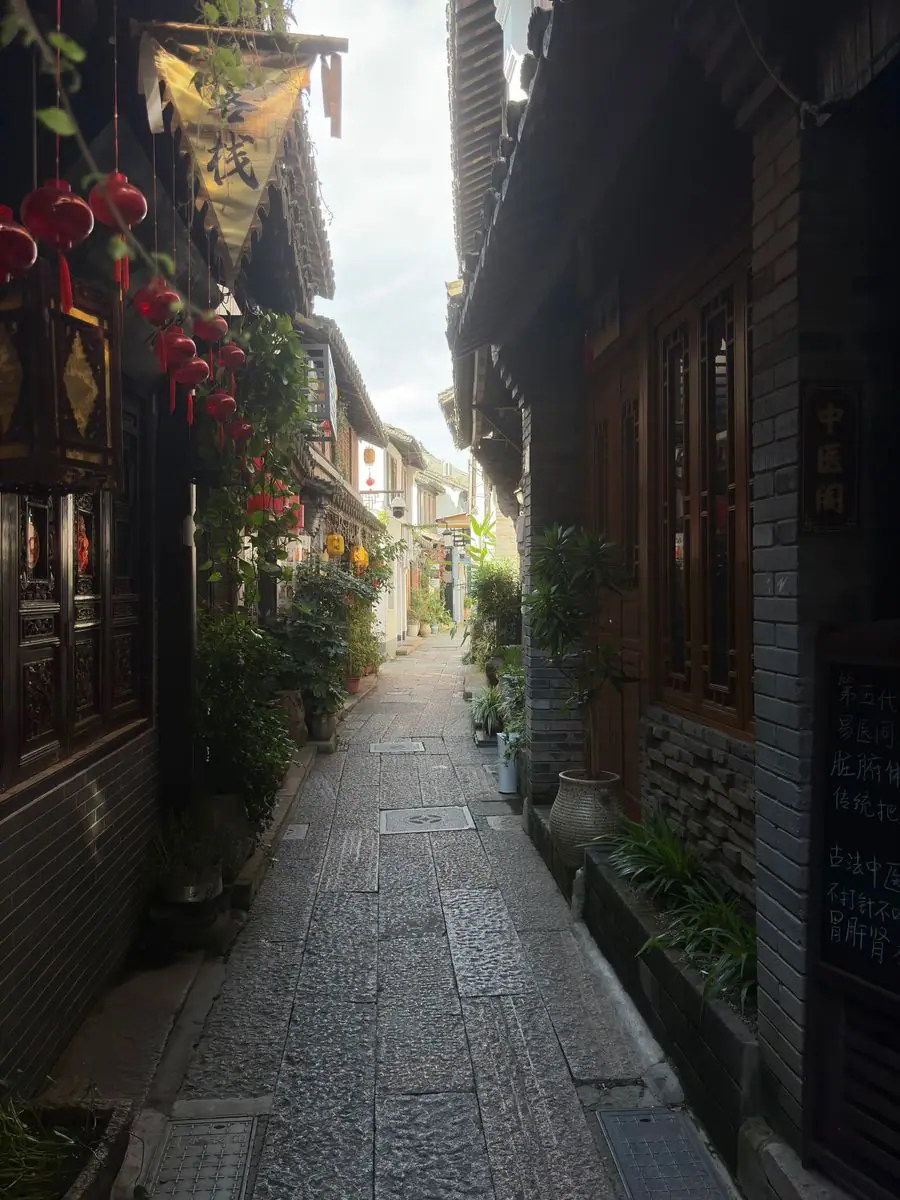
Where to stay in Anshun
Stay in Anshun city (Xixiu district) near the bus stations and the West high-speed station — the Huangguoshu, Longgong and Tunpu day trips all leave from here. Huangguoshu town (at the scenic area) is convenient if the waterfall is your only plan; the Tunpu villages have a few guesthouses for a slower stay.
Budget
$14–28 / nightChain hotels (Hanting, JI, 7 Days) around the station and the city centre; clean doubles and foreign-passport registration is routine at the chains.
Mid-range
$35–70 / nightJI Hotel, Vienna and local full-service hotels downtown and by the West station — the sweet spot; waterfall-view rooms cost a little more.
Splurge
$85–170 / nightThe international chains and new business hotels near the high-speed station and Huangguoshu resort — pools, views and the corporate crowd.
Souvenirs & local crafts
Easy to pack, easy to explain at customs — and far cheaper at a supermarket than at a scenic stall.
-

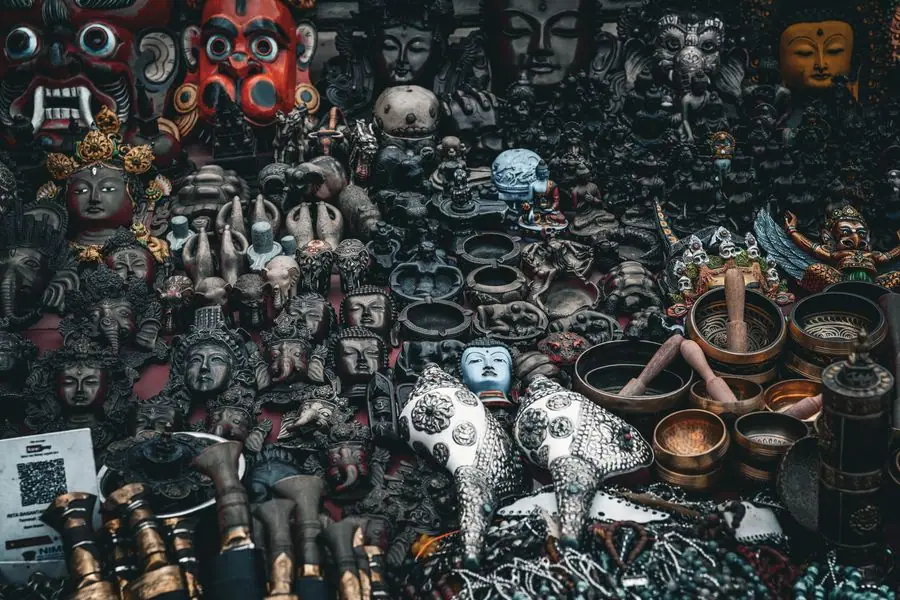
Tunpu stone carvings & masks
The engraved stone and the masked 'digging-mountain' (tiaoshen) face masks of the Tunpu villages — the on-theme Anshun gift.
-
Buyei batik & tie-dye
The indigo batik and tie-dye cloth of the Buyei and Miao — light, foldable and genuinely local.
-
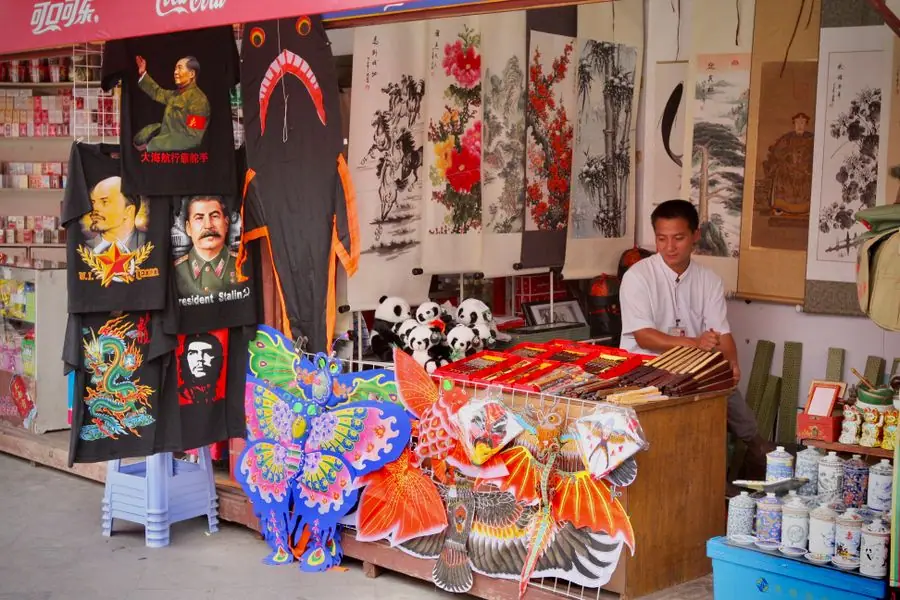
Guizhou chilli & fermented sauces
The dried chillies and the sour-fermented 'zha' sauces of Guizhou — a practical, packable taste of the province.
-
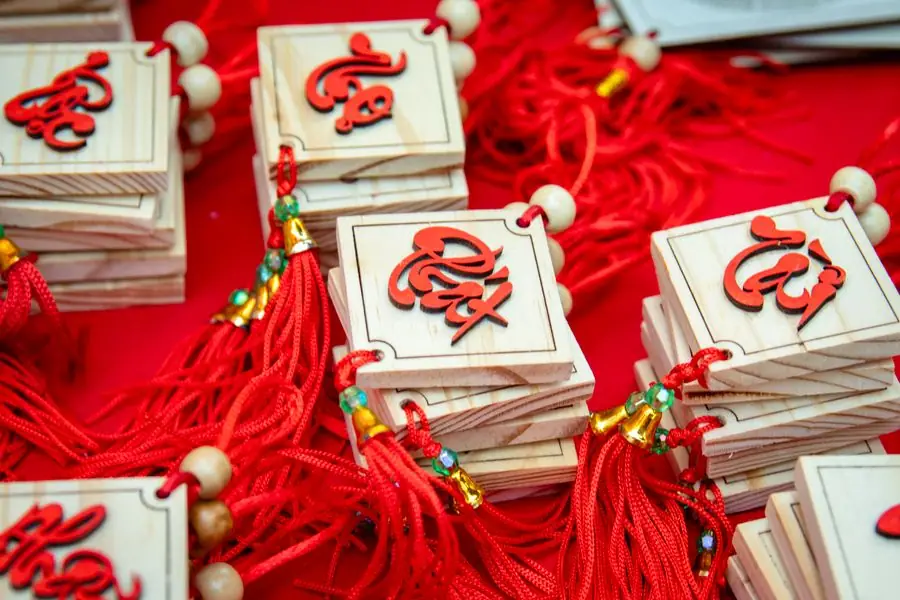
Silver jewellery
The Miao silver necklaces and bangles from the village markets — a traditional, packable souvenir.
-
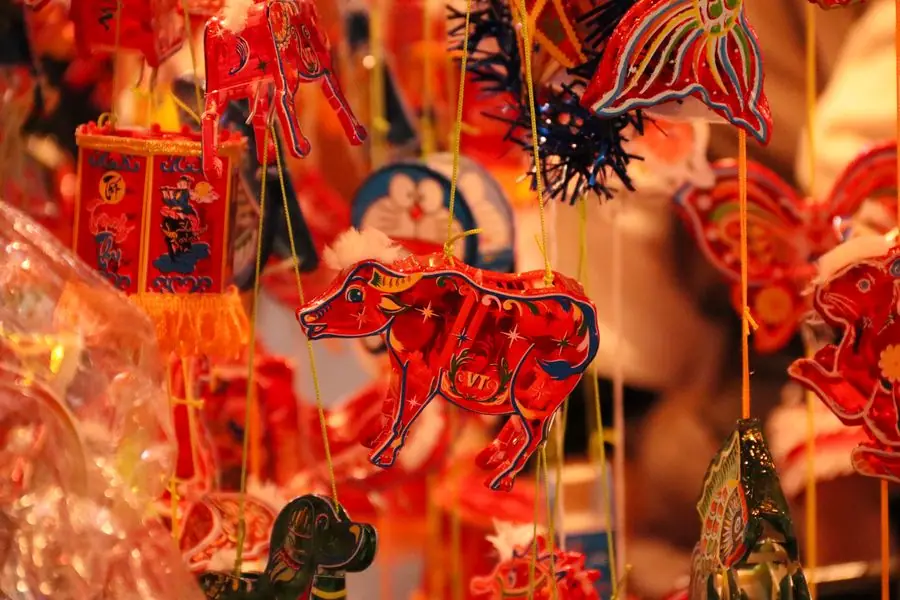
Karst-pebble art & inkstones
The painted river-pebble art and the local inkstones — small, local and easy to carry.
Getting around Anshun
Anshun is on the Guiyang–Kunming high-speed line and the hub for the Guizhou karst day trips; the nearest international airport is Guiyang Longdongbao.
- High-speed rail
- Anshun West (Anshun Xi) is on the Guiyang–Kunming high-speed line: Guiyang North about 30–40 min, Kunming about 2.5 h, Guangzhou about 4.5 h. Add a bus or taxi to the scenic areas.
- Long-distance bus
- Tourist and county buses run from Anshun to Huangguoshu, Longgong, the Tunpu villages and Guanling; within the city the buses are cheap (about $0.28 / RMB 2).
- Metro & bus
- Anshun has no metro — buses, taxis and the walkable city centre cover the town; the scenic areas need a tourist bus, DiDi or a booked car.
- Taxis
- Taxis are metered from about $1.13 (RMB 8); the station and the bus terminals are a short ride from the centre.
- Ride-hailing
- DiDi is the default for the Huangguoshu, Longgong and Tunpu day trips — the karst sites are spread out.
- Shared bikes
- Shared e-bikes are handy around the flat city centre and the Hongshan Lake park.
- Intercity carpool
- The high-speed trains link Anshun with Guiyang, Kunming and Guangzhou; for the karst sites a booked car or the Anshun tourist buses are easiest.
Plan your 1, 2 or 3 days in Anshun
Pick the length of your stay. Each plan is its own page, anchored at the city centre and written from real traveller itineraries — including splits for sightseeing, shopping, landscape, families and older travellers.
Anshun in one day: the Huangguoshu loop
The whole day at Huangguoshu — the Great Waterfall, Doupotang and the Tianxingqiao boardwalk — back in the city for the night-market dinner. The classic Anshun day.
Read the plan → 2-dayAnshun in two days: + Dragon Palace and Tunpu
Day two adds Longgong (Dragon Palace) caves and a Tianlong or Yunfeng Tunpu village — the underground karst and the Ming garrison culture.
Read the plan → 3-dayAnshun in three days: + Getu and Jiuzhou
Give the third day to the Getu River karst (or Guanling fossils) and the Jiuzhou or Yunfeng old towns — the deep karst and the old villages, or a Baling-bridge gorge day.
Read the plan →Frequently asked questions
- When is the best time to visit Anshun?
- May–October is the waterfall season — June to August is when Huangguoshu is fullest and most dramatic, though it is also rainy. March–April and September–November are mild and green; winter is cool and the water is lower but crowd-free.
- Do I need a visa for Anshun?
- Anshun has no international airport of its own. Most foreign visitors fly into Guiyang Longdongbao International Airport (KWE), a participating port of China's 240-hour (10-day) visa-free transit scheme about 90 km away, or arrive via Guiyang by high-speed rail. If your nationality is among the 57 countries eligible for the 240-hour transit waiver and you continue to a third country, you can enter at Guiyang and stay in Guizhou (which includes Anshun) for up to 10 days. Otherwise arrange a Chinese visa in advance; confirm the current qualifying list and ports with a consulate before booking.
- What is the Huangguoshu Waterfall?
- Huangguoshu is a 78 m-high, 101 m-wide waterfall on the Baishui River — the largest waterfall in Asia and the headline sight of Anshun. You can walk behind it through the Water-Curtain Cave and see it from a dozen viewpoints, with the neighbouring Doupotang and Tianxingqiao areas on the same ticket.
- How much do the sights cost?
- Huangguoshu is $22.54 (RMB 160, peak) / $21.13 (RMB 150, off), including Doupotang and Tianxingqiao; Dragon Palace (Longgong) is $18.31 (RMB 130); Tianlong Tunpu about $8.45 (RMB 60); the Getu River about $8.45 (RMB 60) or $11.27 (RMB 80) with the cave; Jiuzhou old town and the city parks are free; the Guanling fossil site is a small ticket. Verify the exact combo and price on site.
- How many days do I need?
- Two days covers Huangguoshu and Dragon Palace plus a Tunpu village. Three adds the Getu River, Jiuzhou or Guanling. The waterfalls alone are a relaxed one-day highlight tour.
- What is the Tunpu culture?
- The Tunpu are descendants of the Ming-dynasty garrison soldiers settled around Anshun in the 1380s to hold the Yunnan road. They still live in stone villages, speak a Ming-era dialect and perform the masked tiaoshen ritual — a living piece of Ming China lost elsewhere.
Page last reviewed: 2026-11-02.