Tianyi Pavilion & Moon Lake 2026: Tickets, How to Visit & Tips
The oldest surviving private library in China: built in 1561 by the retired official Fan Qin, its two-storey wooden pavilion still holds the Ming book collections behind fireproof walls and a water-guard pond, in a garden complex of halls, rockeries and ancestral shrines beside the free Moon Lake park.
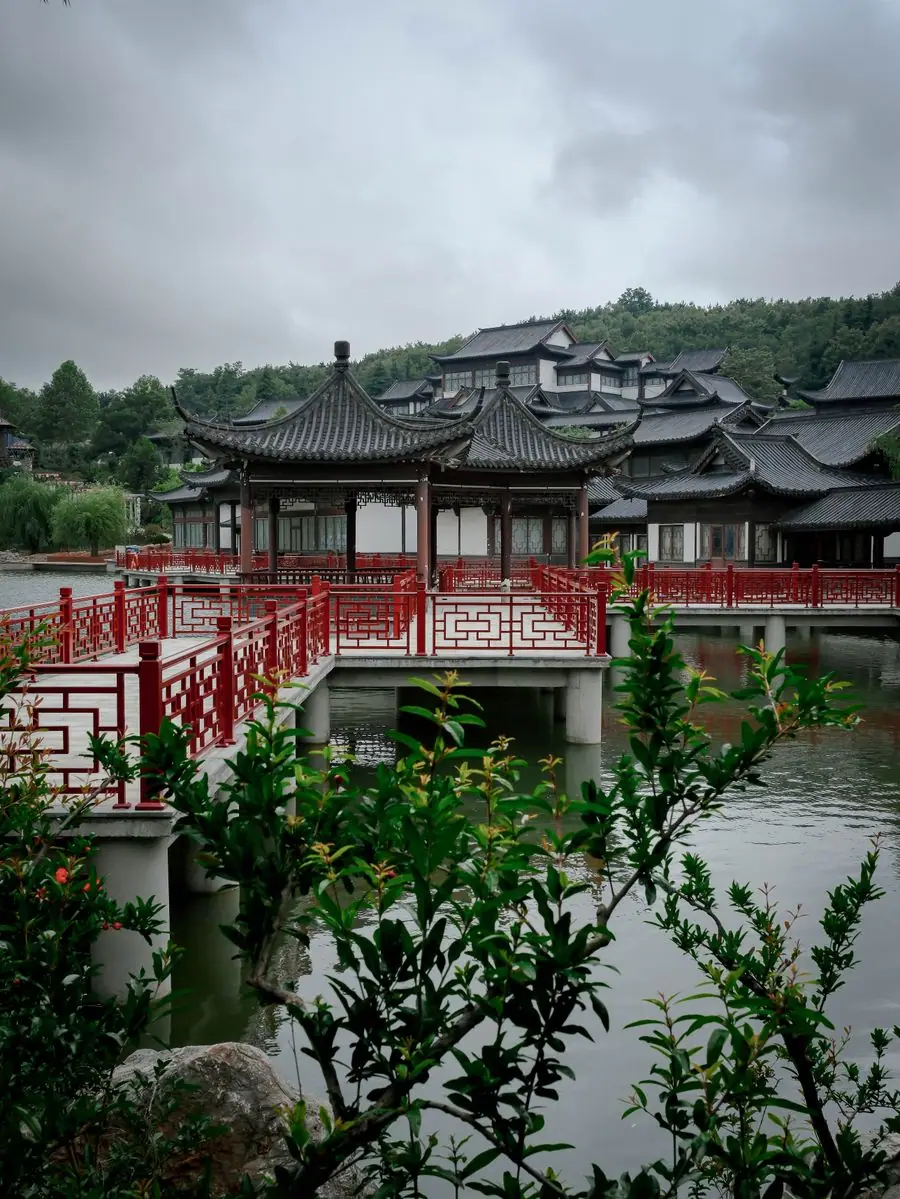
Tianyi Pavilion & Moon Lake (天一阁·月湖) is one of the headline sights in Ningbo. The oldest surviving private library in China: built in 1561 by the retired official Fan Qin, its two-storey wooden pavilion still holds the Ming book collections behind fireproof walls and a water-guard pond, in a garden complex of halls, rockeries and ancestral shrines beside the free Moon Lake park.
Intro: why go
It is the one sight in Ningbo no visitor should miss — a working scholarly library of the Ming, in its original gardens, and the model for the imperial libraries that followed.
Tickets & booking
$4.23 (RMB 30); open 8:30–17:30 (May–Oct) and 8:30–17:00 (Nov–Apr); Monday mornings closed. The 5A rating covers the whole Tianyi Pavilion–Moon Lake scenic area; the lake park itself is free. Verify the exact price on site before you go.
How to visit
Enter the gate to the library pavilion, then the Fan family halls, the rockery garden and the Mingzhou stele garden, finishing through the side gate into Moon Lake park.
Facilities
Toilets, a small cafe and a shop in the complex; the garden paths are flat but stepped in places.
Best season
Year-round; the gardens are at their best after spring rain, and the halls are the midday-heat plan.
Getting there
About 1 km west of the Drum Tower — an easy walk from the old town, or a short taxi.
Tips
- Combine with Moon Lake park — the lake walk is free and the local morning habit
- The library pavilion itself is not enterable; the collections are behind glass in the side halls
- Monday mornings the museum buildings are closed — plan the afternoon
Frequently asked questions
- How old is the Tianyi Pavilion?
- It was built in 1561 by Fan Qin, a Ming official who retired to collect books; the library and its garden complex survive in place, making it the oldest private library in China and the prototype for later imperial library architecture.
Page last reviewed: 2026-11-02. Ticket seasons and crowd seasons are different things — this page states both where they differ.