Ningbo Old Bund & the Cathedral 2026: Tickets, How to Visit & Tips
The Bund that came before Shanghai's: the foreign settlement established in 1844 after the Treaty of Nanjing, kept as a riverfront strip of colonial-era banks, warehouses and bars — with the brick Gothic cathedral of the Ningbo diocese (the 1870s Cathedral of Our Lady of Seven Sorrows) rising above the quay.
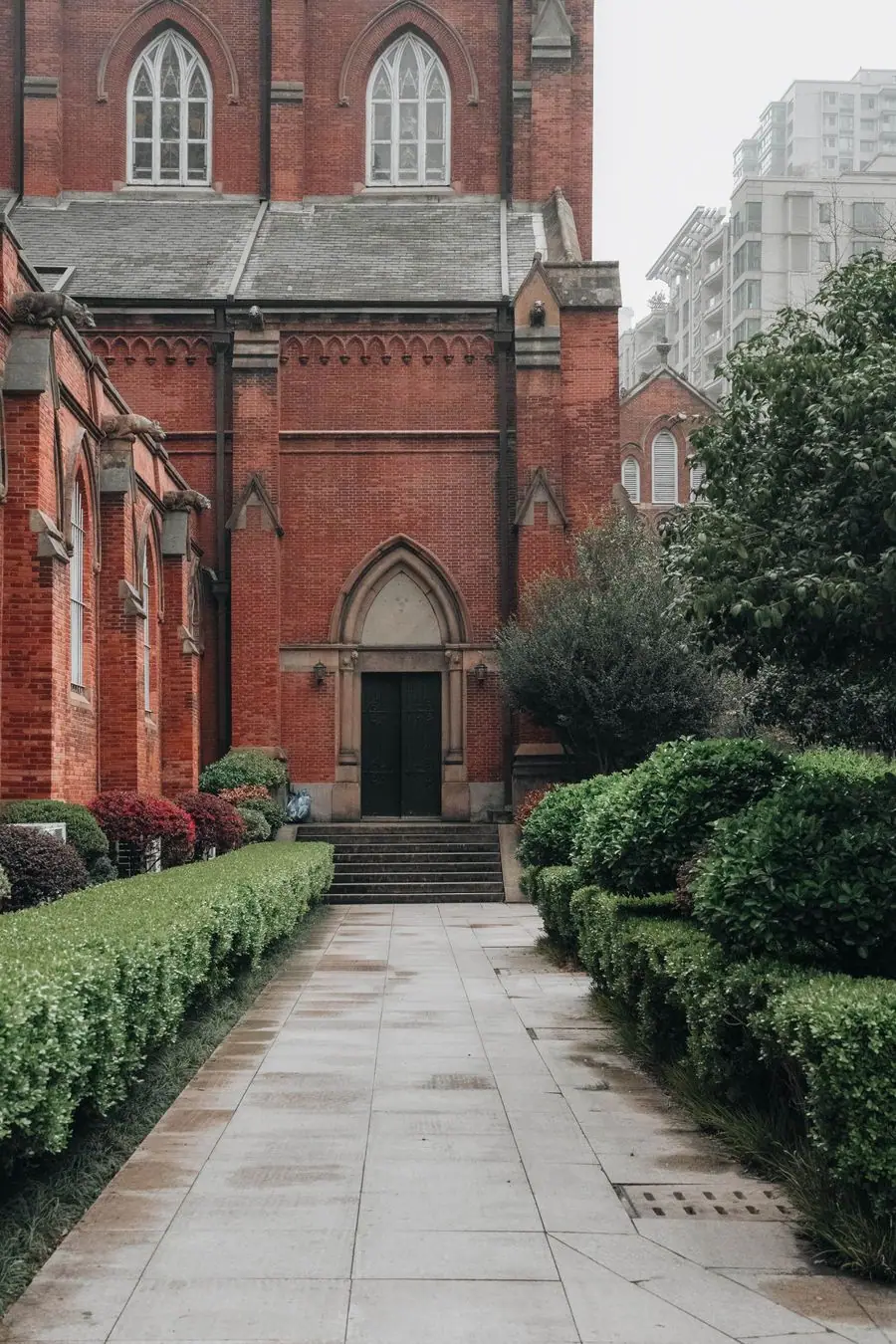
Ningbo Old Bund & the Cathedral (老外滩·江北天主教堂) is one of the headline sights in Ningbo. The Bund that came before Shanghai’s: the foreign settlement established in 1844 after the Treaty of Nanjing, kept as a riverfront strip of colonial-era banks, warehouses and bars — with the brick Gothic cathedral of the Ningbo diocese (the 1870s Cathedral of Our Lady of Seven Sorrows) rising above the quay.
Intro: why go
It is where Ningbo’s treaty-port century physically survives — and the best evening strip in the city, with the river and the lit bridges in front of you.
Tickets & booking
Free to walk the Bund; the cathedral is free (respect worship times). Verify the exact price on site before you go.
How to visit
Walk the Bund quay from the Waibao building to the cathedral square, then the side lanes up to the old consulate terraces, looping back along the water at dusk.
Facilities
Cafes, bars, restaurants, toilets and parking; the quay is flat and walkable.
Best season
Year-round; the lit evening is the point — come after dinner.
Getting there
About 1.5 km north of the Drum Tower across the Yao River — a short taxi, or a 20-minute walk over the bridges.
Tips
- Come at dusk — the bridges and the Yong River light up
- The cathedral interior is worth a look; check worship times
- The Bund bars are the city’s nightlife — the side lanes are the quiet half
Frequently asked questions
- Why is it called the Old Bund?
- The foreign settlement here was established in 1844 — the earliest of China's treaty-port bunds, three years before Shanghai's — and the riverfront strip kept the name and the nineteenth-century buildings.
Page last reviewed: 2026-11-02. Ticket seasons and crowd seasons are different things — this page states both where they differ.