Daming Mountain 2026: Tickets, How to Visit & Tips
The mountain north of the city and the coolest place in the region: a 4A forest mountain rising to the 1,760-metre Feiying peak, famous for its sea of cloud, the olive canyon's boardwalk, the waterfalls and the alpine meadows — the Nanning escape from the subtropical heat.
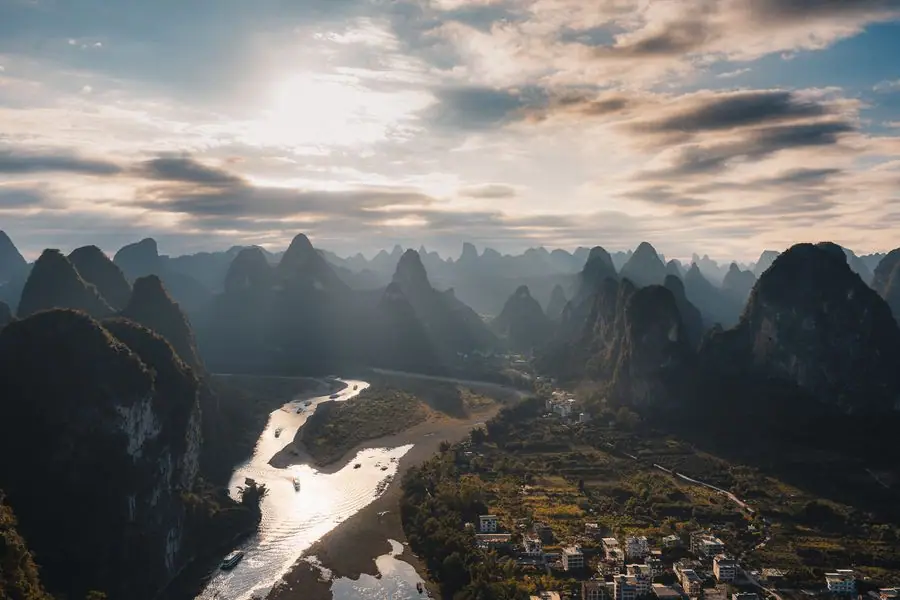
Daming Mountain (大明山) is one of the headline sights in Nanning. The mountain north of the city and the coolest place in the region: a 4A forest mountain rising to the 1,760-metre Feiying peak, famous for its sea of cloud, the olive canyon’s boardwalk, the waterfalls and the alpine meadows — the Nanning escape from the subtropical heat.
Intro: why go
It is the great mountain of the Nanning plain — cloud seas, waterfalls and a ridge 8–10°C cooler than the city, all reachable in a day.
Tickets & booking
$13.52 (RMB 96) plus the mandatory sightseeing bus $11.27 (RMB 80) — about $24.79 (RMB 176) in total; open 8:00–17:00 (15:30 last entry). Verify the exact price on site before you go.
How to visit
Ride the shuttle to the Yunlong Buddha-light deck, walk the olive canyon boardwalk, then the Feiying peak viewpoint, returning by the last shuttle.
Facilities
Shuttle buses, boardwalks, stalls and toilets at the stops; the boardwalk is stepped in places.
Best season
April–October for the cloud and the waterfalls; winter occasionally brings the rime.
Getting there
About 76 km north — the bus from Anji passenger station to Liangjiang town, then the mountain shuttle, or a $35–42 (RMB 250–300) DiDi each way.
Tips
- You cannot drive your own car up — the shuttle is mandatory
- Bring a jacket: the ridge runs 8–10°C cooler and the wind is strong
- Go early — the cloud sits in the morning and burns off by noon
Frequently asked questions
- What is Daming Mountain famous for?
- The sea of cloud over the forest ridges — the mountain rises to 1,760 metres and the cloud-sea decks and waterfalls are the classic views; it is the coolest escape within reach of the city.
Page last reviewed: 2026-11-02. Ticket seasons and crowd seasons are different things — this page states both where they differ.