Lushun Museum 2026: Tickets, How to Visit & Tips
The museum of Lushun in the old Russian-era quarter of Sungou: a national first-grade museum founded in 1917 in the Japanese-colonial museum building, holding the bronzes, the Buddhist sculptures, the ancient-coin and the Xinjiang-mummy collections for which it is famous — with the Sino-Soviet Friendship Tower and the Victory Tower on the square outside.
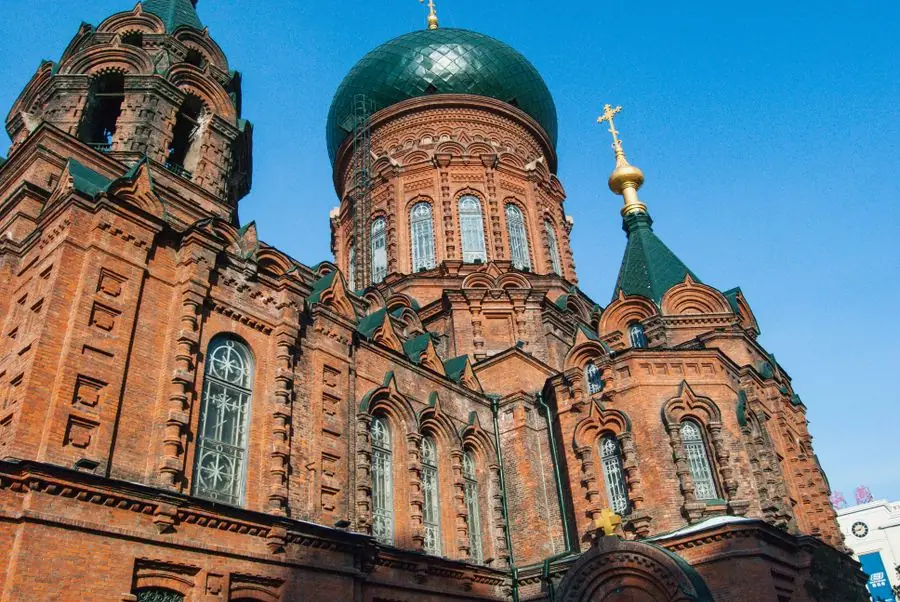
Lushun Museum (旅顺博物馆) is one of the headline sights in Dalian. The museum of Lushun in the old Russian-era quarter of Sungou: a national first-grade museum founded in 1917 in the Japanese-colonial museum building, holding the bronzes, the Buddhist sculptures, the ancient-coin and the Xinjiang-mummy collections for which it is famous — with the Sino-Soviet Friendship Tower and the Victory Tower on the square outside.
Intro: why go
It is the oldest museum in the northeast and one of the best in China — the building alone is worth the trip, and the Xinjiang mummies are the headline.
Tickets & booking
Free; reserve online ahead; closed Mondays (verify on site).
How to visit
Start in the main hall’s bronze and Buddhist galleries, then the special exhibitions, and finish on the square with the friendship tower and the old railway station.
Facilities
Museum halls, a shop, toilets and parking; fully indoors and step-free.
Best season
Year-round; the wet-weather and midday-heat plan, and the midday break from the Lushun sights.
Getting there
In Lushun, about 45 km west — metro line 12 to Lushun then a short taxi, or a taxi for the day.
Tips
- Free — reserve online and bring your passport
- Closed Mondays — plan the Lushun day around it
- The Sungou old-villa quarter is the walk around the museum
- Combine with the Russo-Japanese prison on the same day
Frequently asked questions
- What is the Lushun Museum famous for?
- Its 1917 Japanese-colonial building in the Sungou quarter, and the collections — the ancient bronzes, the Buddhist sculptures and the Xinjiang mummies from the desert tombs of the west.
Page last reviewed: 2026-11-02. Ticket seasons and crowd seasons are different things — this page states both where they differ.