Yuan Shikai Mausoleum 2026: Tickets, How to Visit & Tips
The burial complex of Yuan Shikai, the short-lived emperor who tried to found a dynasty in 1915–16 — a curious blend of Chinese imperial tomb architecture and Western neoclassical styling, with a monumental gate, a spirit way of stone figures and a domed, semi-Western tomb chamber. It is the most unusual tomb in Anyang and a quick, photogenic stop on the north side of the city.
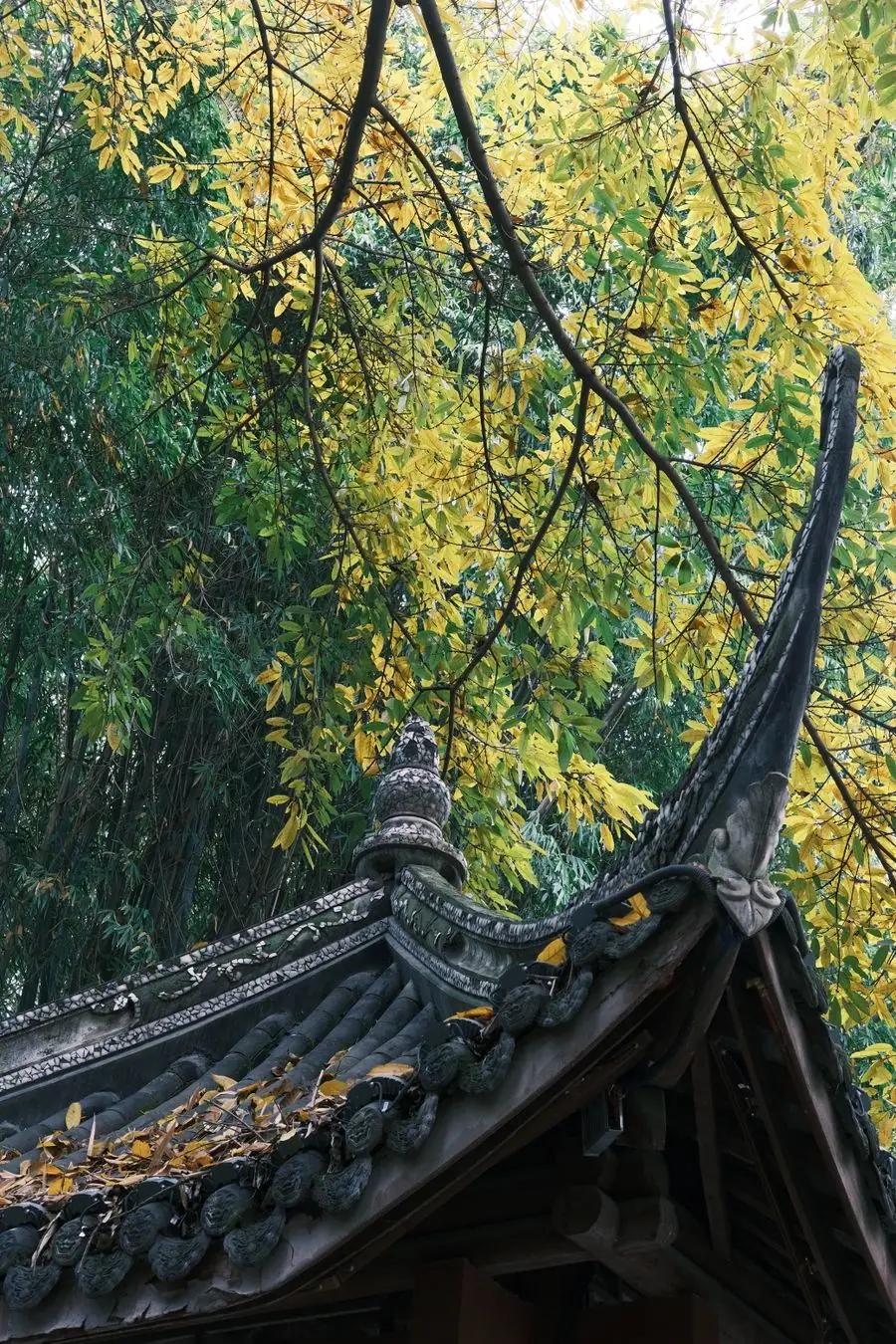
Yuan Shikai Mausoleum (袁林) is one of the headline sights in Anyang. The burial complex of Yuan Shikai, the short-lived emperor who tried to found a dynasty in 1915–16 — a curious blend of Chinese imperial tomb architecture and Western neoclassical styling, with a monumental gate, a spirit way of stone figures and a domed, semi-Western tomb chamber. It is the most unusual tomb in Anyang and a quick, photogenic stop on the north side of the city.
Intro: why go
It is the oddity stop — a Chinese-Western hybrid mausoleum of the man who briefly made himself emperor, and an easy half-hour north of the centre.
Tickets & booking
Adults $4.93 (RMB 35); verify the current price and hours on site.
How to visit
Enter at the grand gate, walk the spirit way of stone figures to the domed tomb, and loop back through the gardens.
Facilities
The gate, the spirit way, the tomb, gardens, stalls and toilets; flat and step-free.
Best season
Year-round; daylight best for the architecture.
Getting there
About 5 km north of the centre — bus or a short taxi.
Tips
- It mixes Chinese and Western styles — look for the dome
- Quick stop — 45 minutes is enough
- Combine with the nearby Writing Museum or Ma Family Estate side
- Verify the price; it occasionally changes
Frequently asked questions
- Who was Yuan Shikai?
- Yuan Shikai was a late-Qing general and the first president of the Republic of China who, in 1915, briefly declared himself emperor — a reign that collapsed within months. His mausoleum in Anyang blends imperial Chinese and Western forms, reflecting that turbulent moment.
Page last reviewed: 2026-11-02. Ticket seasons and crowd seasons are different things — this page states both where they differ.