Yin Xu (Yin Ruins) 2026: Tickets, How to Visit & Tips
The UNESCO World Heritage ruins of the late Shang capital (1300–1046 BC) and the most important early-Chinese archaeological site in the country. Yin Xu is where the oracle-bone inscriptions — the earliest systematic Chinese writing — were discovered, and where the royal tombs, the palace-temple foundations and the Fu Hao tomb (the only royal Shang tomb found intact) have been excavated. The new Yinxu Museum displays nearly 4,000 artefacts, and the open-air site lets you walk the foundations, the chariot pits and the royal cemetery along the Huan River.
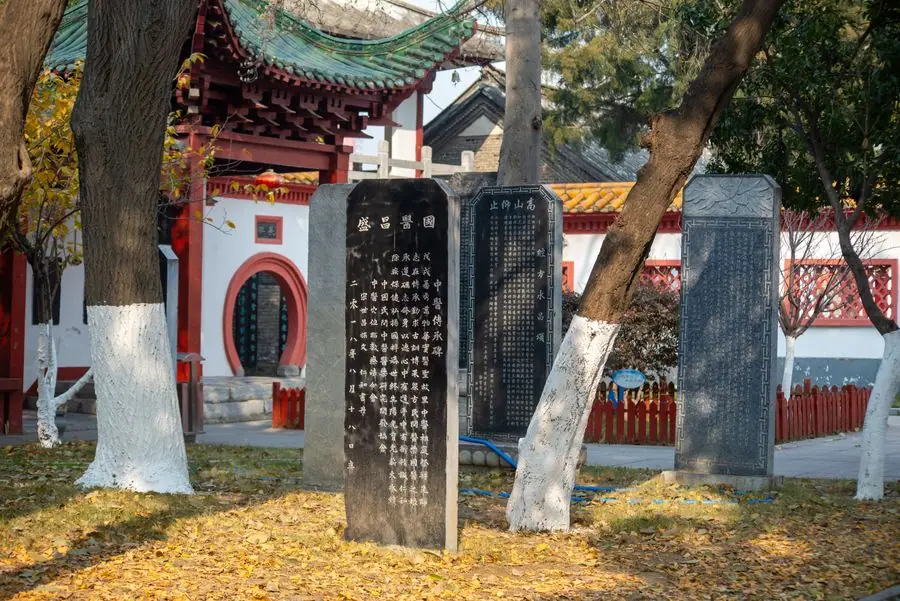
Yin Xu (Yin Ruins) (殷墟) is one of the headline sights in Anyang. The UNESCO World Heritage ruins of the late Shang capital (1300–1046 BC) and the most important early-Chinese archaeological site in the country. Yin Xu is where the oracle-bone inscriptions — the earliest systematic Chinese writing — were discovered, and where the royal tombs, the palace-temple foundations and the Fu Hao tomb (the only royal Shang tomb found intact) have been excavated. The new Yinxu Museum displays nearly 4,000 artefacts, and the open-air site lets you walk the foundations, the chariot pits and the royal cemetery along the Huan River.
Intro: why go
It is the headline reason to come to Anyang — the physical proof of 3,000-year-old Chinese civilisation, the birthplace of Chinese writing, and a World Heritage site you can walk through.
Tickets & booking
The Yinxu Museum is $11.27 (RMB 80); the ruins park (palace-temple + royal tombs) $7.04 (RMB 50); the combined ticket $16.90 (RMB 120). Half-price for students/teachers, free for under-18. Open about 08:00–17:30; verify the exact combo and price on site.
How to visit
Enter at the palace-temple area for the foundations, the oracle-bone pit and the chariot pits, cross to the Yinxu Museum for the bronzes and the Fu Hao treasures, then take the shuttle to the royal tombs (Wangling) on the far bank.
Facilities
The museum, the open-air site, tea stalls, toilets and a shuttle bus; the site is large and partly outdoors, so wear a hat and good shoes.
Best season
Year-round; spring and autumn are the most comfortable, and the museum is the wet-weather plan. Summer is hot, winter cold but quiet.
Getting there
About 7 km northwest of the centre — bus, taxi or a booked car; allow a half day including the museum.
Tips
- Buy the combined ticket online if you want both the museum and the tombs
- The Fu Hao tomb and the oracle-bone pit are the must-sees
- The site is big — take the shuttle between the palace area and the royal tombs
- Bring your passport for the student / child discount
Frequently asked questions
- What is oracle-bone script?
- Oracle-bone inscriptions (jiaguwen) are characters carved on turtle shells and animal bones for royal divination in the late Shang dynasty — the earliest systematic form of Chinese writing, and the direct ancestor of the characters used today. They were first discovered at Yin Xu in 1899.
Page last reviewed: 2026-11-02. Ticket seasons and crowd seasons are different things — this page states both where they differ.