Wuhou Shrine Tickets 2026: The Shu-Han Temple Beside Jinli
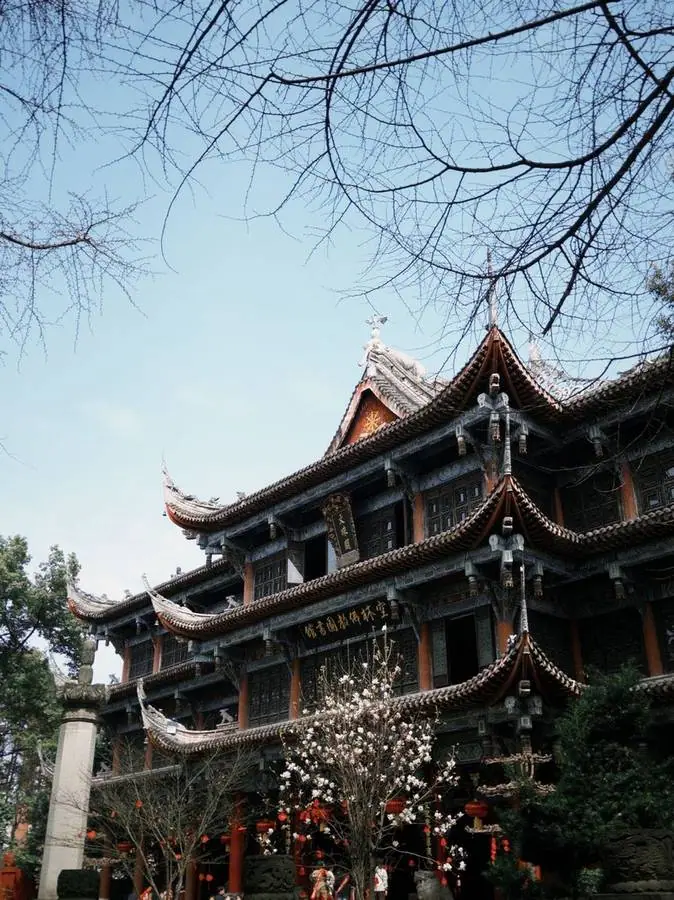
Wuhou Shrine honors Zhuge Liang and Liu Bei, the heroes of the Shu-Han kingdom. A serene temple garden next to Jinli lane — allow 1.5 hours and combine it with a snack street.
Full ticket $7 (half-price $3.50 for eligible enrolled students; annual pass $14.10). Open 9:00–18:00, last entry 17:00. Buy via the museum's official website or official WeChat account; the museum warns it never authorizes third-party online resellers. Foreign adults pay the full $7: the free-entry policy for ages 60+ applies to mainland-Chinese seniors only (foreign permanent-residence holders aged 60+ may exchange a free ticket at the service window), while minors under 18 of any nationality enter free — foreign minors exchange the free ticket at the service window with a passport. Student half-price requires a valid student certificate together with a mainland ID, HK/Macau/Taiwan travel permit, or foreign permanent-residence ID, so a foreign passport holder on a tourist visa should budget the full price.
Source: 成都武侯祠博物馆官网票务信息页(www.wuhouci.net.cn/pwxx)及2026成都大庙会参观公告;门票价格经成都市发展和改革委员会票价公示(2026-06-29)确认
Wuhou Shrine is Chengdu’s flagship temple to the Shu-Han kingdom of the Three Kingdoms era, honouring the strategist Zhuge Liang and the ruler Liu Bei. It is a quiet, wooded complex of halls and courtyards — and it sits right next to the buzzing Jinli lane, so you can pair solemn history with street snacks.
Intro: why go
This is the most important Three Kingdoms site in Chengdu. You walk among statues of generals and ministers, carved tablets, and cypress-shaded paths. The mood is reverent yet relaxed. Step out the side gate and you are on Jinli, a rebuilt Qing-style street of teahouses and snacks.
Tickets & booking
The authoritative price and booking rule are rendered in the verified box above — check it for live figures. The shrine sells tickets at its entrance and through major Chinese travel apps. Foreign visitors buy with passport identification; there is no separate foreign rate. Weekends and holidays are busiest, so a weekday morning is calmer.
How to get there & in-site route
Reach the south of the city by metro, then walk a few minutes to the shared plaza with Jinli. Enter the shrine first, follow the central axis of halls, then loop through the Liu Bei tomb garden. Budget 1–2 hours. Exit toward Jinli for food rather than backtracking.
Facilities
The site has restrooms, a small museum section, and souvenir stalls. Jinli outside offers teahouses, dumplings, and ice cream. Paved paths make it stroller- and wheelchair-friendly. Card and mobile payment are accepted.
Best season & seasonal pros and cons
- Spring & autumn: the most pleasant, with mild weather and good light for the courtyards.
- Summer: hot and sticky; visit early and use the shade of the old trees.
- Winter: cold but uncrowded, and the bare branches frame the architecture nicely.
Tips & scams
Buy tickets only at the official gate or a recognised app. The “free guides” who approach you outside often steer you to shops; a real audio guide is available inside. Combine the shrine with Jinli in one trip to save time.
Frequently asked questions
- Is Wuhou Shrine worth visiting if I'm not into history?
- Yes. Even without the Three Kingdoms background, it is a calm, photogenic temple garden with courtyards, statues, and old trees. The adjoining Jinli lane is lively and full of food.
- How much time should I budget?
- Plan 1–2 hours for the shrine itself. Add another hour if you wander Jinli, which shares the same plaza and is included in most visits.
- Can I use the same ticket for Jinli?
- No. Jinli Ancient Street is free and open to everyone. The shrine is a separate paid site; you buy its ticket at the shrine entrance, not on the lane.
- Is the shrine accessible by metro?
- Yes. It is on the south side of the city near Jinli, reachable by metro with a short walk. Taxis also drop you at the shared entrance plaza.
Page last reviewed: 2026-11-02. Ticket seasons and crowd seasons are different things — this page states both where they differ.