Jinli Ancient Street Tickets 2026: Free Lane of Teahouses and Lanterns
A free, rebuilt Qing-style lane beside Wuhou Shrine, packed with teahouses, snacks, and lanterns. Go in the evening for lights, but expect crowds on weekends.
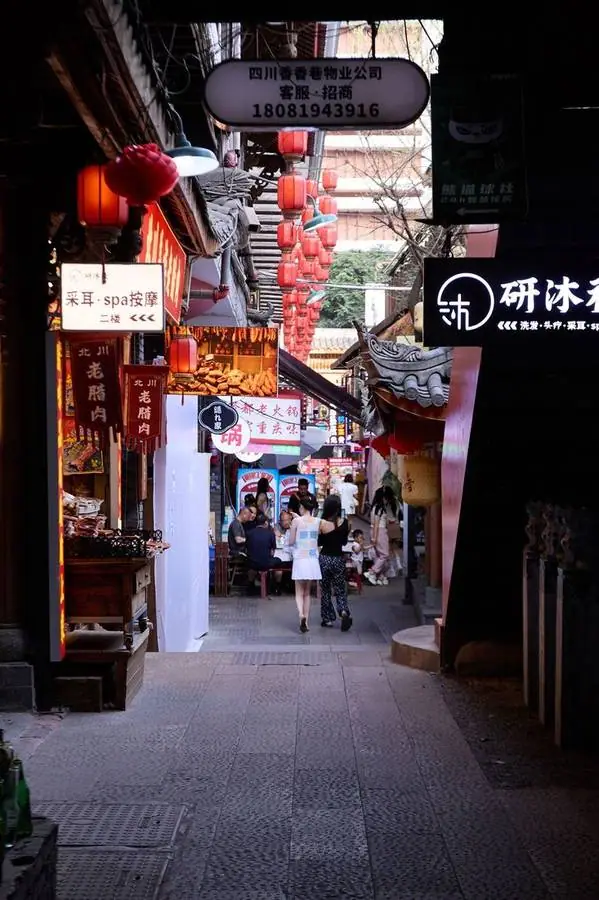
Free. Jinli (Jinli Ancient Street) is an open cultural-commercial pedestrian lane beside Wuhou Shrine and charges no admission - you walk in freely, no ticket and no reservation. The lane itself is free, but paid experiences inside (teahouses, the Sichuan-opera show from about 58 yuan, costume photography, snacks) are separately charged; during the Chengdu Grand Temple Fair (usually mid-February to early March) the Jinli area is folded into the ticketed fair zone, so expect a paid fair ticket then. Foreign visitors pay exactly the same as domestic visitors to enter: nothing.
Jinli is a reconstructed Qing-dynasty style lane that runs beside Wuhou Shrine, and entry is completely free. It is one of Chengdu’s most popular strolls: red lanterns, timber shops, teahouses, and the smell of street snacks. Think of it as a lively, photogenic introduction to Sichuan street life.
Intro: why go
You come for the atmosphere. The lane is busy, pretty, and easy to enjoy without a plan. Sip tea on a carved chair, watch a sugar-painting artist, or just walk the lantern arches. Because it shares a plaza with Wuhou Shrine, you can do history and street food in one outing.
Tickets & booking
There is no ticket. Entry is free and open to all, every day. The only bookable thing nearby is Wuhou Shrine, which is a separate paid site. Inside Jinli you pay as you go for tea, snacks, and optional shows.
How to get there & in-site route
Reach the south of the city by metro and walk to the shared plaza. Enter from the Wuhou Shrine side, drift down the main lane, and loop back through the side alleys where the teahouses sit. Budget 1–2 hours. It is flat and stroller-friendly.
Facilities
Restrooms, teahouses, snack stalls, and souvenir shops line the lane. Card and mobile payment both work. Seating is limited at peak times, so grab a tea table early if you want to rest. The lane is lit and lively after dark.
Best season & seasonal pros and cons
- Spring & autumn: comfortable for outdoor wandering and the best light.
- Summer: hot evenings, but the lanterns and cool drinks make it pleasant after sunset.
- Winter: cold; the warm tea stalls and fewer crowds are the upside.
- National holidays: extremely packed — go very early or skip.
Tips & scams
Jinli is free, so ignore anyone selling “entry tickets.” Prices inside are tourist-level; bargain lightly at stalls. Keep an eye on your phone in the crowd, and pair the visit with Wuhou Shrine next door to save travel time.
Frequently asked questions
- Is Jinli really free?
- Yes. Walking the lane and browsing the stalls costs nothing. You pay only for the food, drinks, and small performances you choose to buy inside.
- What is the best time to visit?
- Evening is best for the lantern-lit atmosphere, but it is most crowded then. A weekday late afternoon gives you daylight photos and a gentler crowd.
- How long should I spend there?
- Plan 1–2 hours for snacks, tea, and photos. It sits beside Wuhou Shrine, so most visitors do both in a single trip.
- Is the food good, or only for tourists?
- It is tourist-oriented but genuinely Sichuan: skewers, sugar paintings, and tea. Prices are higher than local streets, so treat it as an experience.
Page last reviewed: 2026-11-02. Ticket seasons and crowd seasons are different things — this page states both where they differ.